
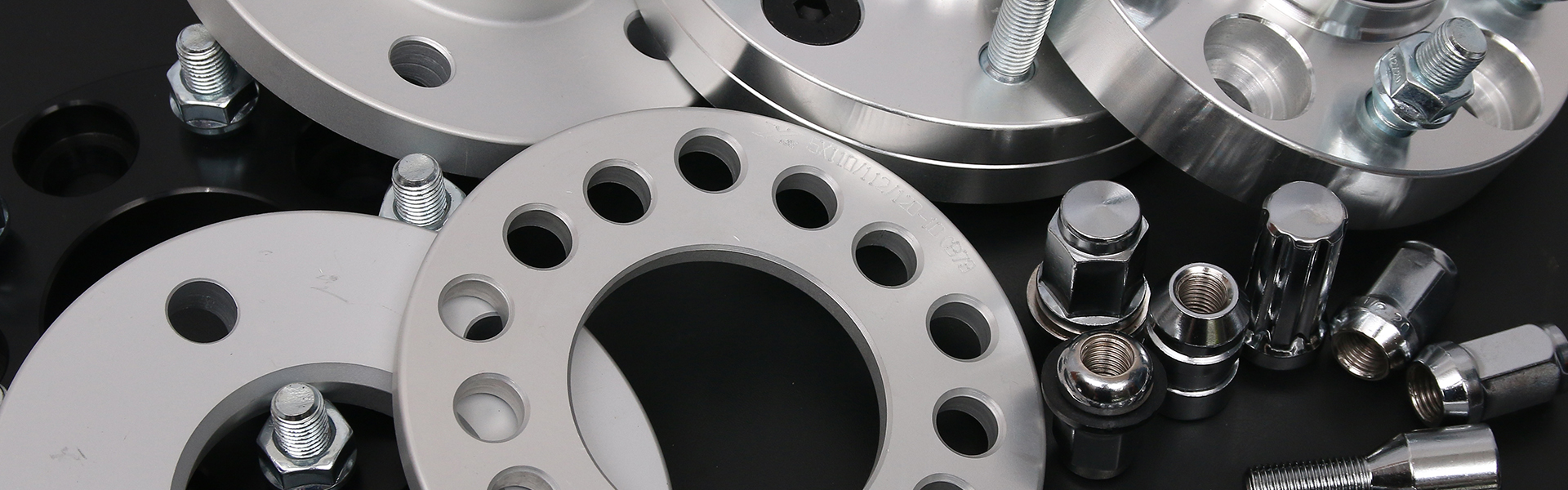

You deserve a ride that feels smooth and safe every time you drive. When you use stick on wheel weights, you help your tires last longer and keep your car steady. Many drivers notice less vibration and better handling after switching to FSL050 Lead Adhesive Wheel Weights or FSL100 Lead Adhesive Wheel Weights.
- Less vibration means more comfort on the road
- Steel wheel weights can lower fuel use by up to 20% in trucks
- Fewer breakdowns and more savings for you
Key Takeaways
- Wheel balancing weights improve your ride by reducing vibrations, enhancing handling, and making driving smoother and safer.
- Proper wheel balancing extends tire life, saves fuel, and protects your car’s suspension, helping you avoid costly repairs.
- Always have your wheels balanced after tire changes or if you notice shaking, and choose trusted technicians to ensure correct installation.
Why Wheel Balancing Weights Matter

Smoother Driving Experience
You want every drive to feel calm and comfortable. Balanced wheels help you achieve that goal. When your wheels spin evenly, your car glides over the road. You notice fewer bumps and less shaking in your seat. This smoothness makes long trips more enjoyable and short drives less tiring.
- Balanced wheels reduce peak vertical acceleration by 10.3%. This means your ride feels softer and more stable.
- Vibrations drop by about 25% at highway speeds. You stay relaxed and focused behind the wheel.
- Proper wheel balancing leads to crisper steering and better handling, so you feel in control at every turn.
Tip: If you ever feel your steering wheel shake or your seat vibrate, it might be time to check your wheel balance. A quick fix can bring back that smooth, peaceful ride you love.
Better Safety and Control
You deserve to feel safe every time you drive. Balanced wheels give you that confidence. They help your tires grip the road, even during sharp turns or sudden stops. You react faster and steer more precisely, which keeps you and your passengers safer.
- Lateral body roll drops by 13.4% with balanced wheels. Your car stays steady during quick maneuvers.
- Tire heat lowers by up to 10%, which means better traction and less risk of sliding.
- Suspension wear decreases by 6.8%, so your car responds better in emergencies.
- Accident rates fall when drivers maintain their wheels and tires. For example:
| Location | Implementation Detail | Safety Impact |
|---|---|---|
| Quebec, Canada | Winter tire mandate since 2008 | 5% reduction in road accident injuries |
| Germany | Tire regulations since 2010 | 50% decrease in winter accidents |
| Finland | Winter tire mandate since 1980 | 10-15% fewer accidents during winter |
You also protect yourself from drowsiness. Studies show that unbalanced wheels cause vibrations that make drivers lose focus after just 20 minutes. When you balance your wheels, you stay alert and ready for anything.
Longer Tire Lifespan
You work hard for your money, so you want your tires to last as long as possible. Wheel balancing helps you get the most out of every set. When your wheels are balanced, your tires wear down evenly. You avoid bald spots and save money on replacements.
- Balanced wheels can increase tire life by up to 50%, especially on trailers and trucks.
- Fuel economy improves by 1% to 2%, so you spend less at the pump.
- Regular balancing also protects your suspension and steering parts, which means fewer repairs and more savings.
Note: Professional wheel balancing services use special machines to place weights exactly where they are needed. This precision gives you the best results and helps your tires go the distance.
When you choose to balance your wheels, you invest in a smoother ride, safer journeys, and longer-lasting tires. Every mile feels better, and you enjoy the road with peace of mind.
How Wheel Balancing Weights Work
Fixing Wheel Imbalance
You want your car to feel steady and safe. Wheel balancing weights help you achieve that by correcting any unevenness in your wheels. When a tire or wheel has more weight on one side, it creates an imbalance. This imbalance causes your wheel to wobble as it spins, making your ride rough and uncomfortable.
Wheel balancing weights solve this problem by redistributing the weight. Technicians use special machines to find the heavy spots on your wheels. They then attach small weights to the rim, directly opposite the heavy area. This process cancels out the extra force and brings your wheel back into perfect balance.
1. Imbalance starts with uneven weight in your tire or wheel.
2. Static imbalance creates up-and-down bumps.
3. Dynamic imbalance causes side-to-side shaking.
4. Weights are placed to counteract these forces.
5. Both clip-on and stick-on weights can be used.
6. Proper placement on both sides of the wheel is key.
7. Computer balancers guide technicians for the best results.
Tip: Balanced wheels mean smoother rides, better handling, and longer-lasting tires.
Preventing Vibrations and Uneven Wear
You deserve a car that glides down the road without shaking or pulling. When your wheels are balanced, you avoid the annoying vibrations that can travel through your steering wheel or seat. These vibrations happen because an imbalanced wheel creates extra forces as it spins, leading to wobbling and instability.
Wheel balancing weights stop these problems before they start. By adding precise weights, you keep your wheels spinning smoothly. This not only makes your drive more comfortable but also protects your tires from wearing out unevenly. Even tire wear means you save money and enjoy safer journeys. Balanced wheels also reduce stress on your suspension, helping your car last longer.
When you trust wheel balancing weights, you invest in a smoother, safer, and more enjoyable ride every time you hit the road.
Types of Wheel Weights
Stick On Wheel Weights
You want your wheels to look sharp and perform at their best. Stick on wheel weights help you achieve both goals. These weights use strong adhesive to attach directly to the inside of your wheel. You get a clean, hidden look that keeps your rims looking new. Many drivers with custom or alloy wheels choose stick on wheel weights because they do not scratch or damage the surface.
Stick on wheel weights offer flexibility. You can cut them into smaller pieces for perfect balance. You also enjoy a quieter ride since there is no metal-on-metal contact. If you drive mostly on smooth roads and want your wheels to stay beautiful, stick on wheel weights are a smart choice.
Stick on wheel weights work best when you apply them to clean, dry alloy wheels. Always check them after driving in wet or harsh conditions to make sure they stay secure.
Here is a quick comparison to help you decide:
| Feature | Stick On Wheel Weights |
|---|---|
| Placement | Inside rim, hidden |
| Effect on Wheel Surface | No scratches or damage |
| Flexibility | Can be cut for precision |
| Noise | Quieter ride |
| Installation | Tool-free, quick |
| Compatibility | Best for alloy/custom wheels |
Stick on wheel weights can help you reduce vibrations and improve fuel efficiency by up to 4%. You get a smoother ride and save money at the pump.
Clip-On Wheel Weights
You need strength and reliability for tough driving conditions. Clip-on wheel weights deliver both. These weights snap onto the rim edge, creating a secure fit that stands up to bumps, mud, and rough roads. If you drive a truck, van, or off-road vehicle, clip-on wheel weights give you the confidence to tackle any journey.
Clip-on wheel weights come in different sizes and materials, like lead-free steel with powder coating to prevent rust. They are reusable and cost-effective over time. You can trust them to stay in place, even in snow or heavy rain. Some drivers notice better traction and wheel load management with clip-on wheel weights, especially when climbing over obstacles.
Clip-on wheel weights may be more visible and can scratch alloy rims during installation. They work best on steel wheels and vehicles that need frequent balancing.
| Feature | Clip-On Wheel Weights |
|---|---|
| Placement | On rim edge, visible |
| Effect on Wheel Surface | May cause scratches |
| Flexibility | Fixed sizes |
| Noise | Possible metal-on-rim noise |
| Installation | Requires tools, quick |
| Compatibility | Best for steel wheels |
When you choose the right type of wheel weight, you unlock better performance, longer tire life, and a more enjoyable ride. Your wheels stay balanced, and you stay inspired to go further.
Downsides to Consider
Problems from Improper Installation
You want your wheels to work perfectly, but mistakes during installation can cause trouble. When a technician does not clean the rim and hub, the weights may not stick well. If someone places the weights in the wrong spot or uses the wrong type, your wheels can become unbalanced again. This leads to steering wheel vibrations, especially at higher speeds. You might notice your tires wearing out faster or your suspension feeling rough. Sometimes, these problems result in expensive repairs or unhappy trips to the mechanic.
- Failure to clean the rim and hub leads to inaccurate balancing and steering wheel vibrations.
- Incorrect placement or selection of weights causes wheel vibrations and uneven tire wear.
- Consequences include faster tire wear, increased suspension stress, and reduced driving comfort.
- Improper installation can result in customer complaints and costly repairs.
Tip: Always choose a trusted technician who takes time to balance your wheels with care.
Rare Compatibility Issues
Most wheel weights fit modern vehicles, but you may face rare compatibility problems. Some custom or specialty wheels need unique weights. If you use the wrong type, the weight might not attach securely or could damage your rim. This can make balancing less effective and shorten the life of your tires. You stay ahead by checking your wheel type and asking your technician for the best match.
Weights Falling Off
You want your wheels to stay balanced, but sometimes weights fall off during normal driving. The EPA estimates that about 1.6 million pounds of lead weights drop from vehicles every year. Adhesive can weaken from vibrations, temperature changes, or rough roads. When weights fall off, your tires lose balance, which can lead to uneven wear and less control. Lost weights also harm the environment, as lead particles contaminate soil, water, and air. Many states now ban lead weights and encourage safer alternatives to protect your health and the planet.
When you stay alert to these downsides, you make smarter choices for your car and the world around you.
When Wheel Balancing Is Most Important
After Tire Changes or Rotations
You want your car to feel steady and safe after every tire change or rotation. This is the perfect time to check your wheel balance. When you install new tires, you can prevent vibrations and keep your ride smooth by rebalancing your wheels. Lighter, balanced wheels help your suspension respond faster and keep your tires in better contact with the road. You get better grip, handling, and control.
- Rebalancing after new tires stops vibrations before they start.
- Balanced wheels protect your suspension from extra force and wear.
- Most drivers expect free balancing with new tires, showing how important this step is.
- Your owner’s manual recommends checking balance with every tire change or rotation.
Tip: Make wheel balancing a habit every time you change or rotate your tires. You will enjoy a smoother, safer drive.
High-Speed Driving Situations
You deserve confidence at every speed. When you drive fast, balanced wheels matter even more. At highway speeds, even a small imbalance can cause your steering wheel to shake or your ride to feel bumpy. Advanced balancing machines help keep your wheels steady, even at speeds above 85 mph. Dynamic and loaded spin balancing give you the best results for high-speed driving.
- Balanced wheels reduce vibrations at high speeds.
- Proper balancing improves ride smoothness and tire wear.
- Washing wheels before balancing helps keep them steady on the road.
Noticing Vibrations or Shaking
You know your car best. If you feel shaking in your steering wheel or seat, wheel imbalance could be the cause. Studies show that 68% of cars with highway vibrations have unbalanced tires. Balancing your wheels fixes the problem in almost every case.
| Aspect | Details |
|---|---|
| Key Finding | 68% of highway vibrations from imbalance |
| Resolution Rate | 95% of shaking fixed by balancing |
| Sensitivity | 0.5 oz imbalance causes shaking at speed |
| Wheel Type | Alloy wheels more prone to imbalance |
When you notice vibrations, act quickly. Balancing your wheels brings back comfort and safety, so you can enjoy every mile with peace of mind.
Myths and Misconceptions
“New Tires Don’t Need Balancing”
You might think new tires come perfect from the factory. This is a common myth. Even brand-new tires can have small weight differences. When you put new tires on your car, you create a new combination with your wheels. This pairing often leads to tiny imbalances. You want your ride to feel smooth and safe, so balancing is always important.
- Tire balancing spreads weight evenly, reducing vibrations and improving comfort.
- Regular balancing helps your tires last longer and saves you money.
- Unbalanced tires can waste fuel and even cause blowouts.
- Imbalances can happen from small flaws in new tires or wheels.
- Skipping balancing can make your car less stable and increase repair costs.
Tip: Always ask for wheel balancing when you get new tires. You will notice a smoother, safer drive right away.
“Only Old Cars Need Wheel Weights”
You may hear that only older vehicles need wheel weights. This idea is not true. Every car, truck, or SUV benefits from balanced wheels. Modern vehicles use lighter materials and more sensitive suspension systems. Even a small imbalance can affect how your car feels and handles. You deserve the best performance, no matter how new your car is.
“Minor Vibrations Aren’t a Big Deal”
You might ignore a little shake in your steering wheel. This can seem harmless, but even small vibrations signal a problem. These shakes can wear out your tires faster and damage your suspension. Over time, you may face bigger repairs and higher costs. When you fix minor vibrations early, you protect your car and enjoy every mile with confidence.
Never settle for less than a smooth, steady ride. You have the power to keep your journeys safe and comfortable.
You hold the key to a smoother, safer drive. Wheel balancing weights give you comfort, safety, and longer tire life—all at a smart price.
Choose balance. Enjoy every mile with confidence and peace of mind. Your journey deserves the best.
FAQ
Do you need to balance your wheels every time you get new tires?
Yes! You unlock a smoother ride and protect your investment. Balanced wheels help you enjoy every mile with confidence and peace of mind.
Can you drive safely if a wheel weight falls off?
You can drive, but you risk vibrations and uneven tire wear. Take action quickly. Rebalancing your wheels restores comfort and keeps you safe.
How do you know if your wheels need balancing?
You might feel shaking in your steering wheel or seat. Listen to your car. Quick balancing brings back smoothness and inspires worry-free journeys.

Post time: Jul-08-2025
