

Coating technology creates an impenetrable barrier. It also offers active protection. These features directly fight salt spray and corrosion. This significantly extends the operational life of your materials and equipment. Proper Surface Treatment, Durability is key. Effective Surface Treatment,Durability ensures long-term performance.
Key Takeaways
- Coatings protect materials from salt and rust. They create a barrier. This barrier stops water and salt from touching the metal.
- Choosing the right coating is important. Match the coating to your environment. This makes sure your materials stay strong for a long time.
- Proper cleaning and application help coatings work best. Always clean surfaces well. Apply coatings correctly. This makes them last longer.
Understanding Corrosion and the Role of Coating Technology in Extending Durability
What is Corrosion and Why is Salt Spray a Major Threat?
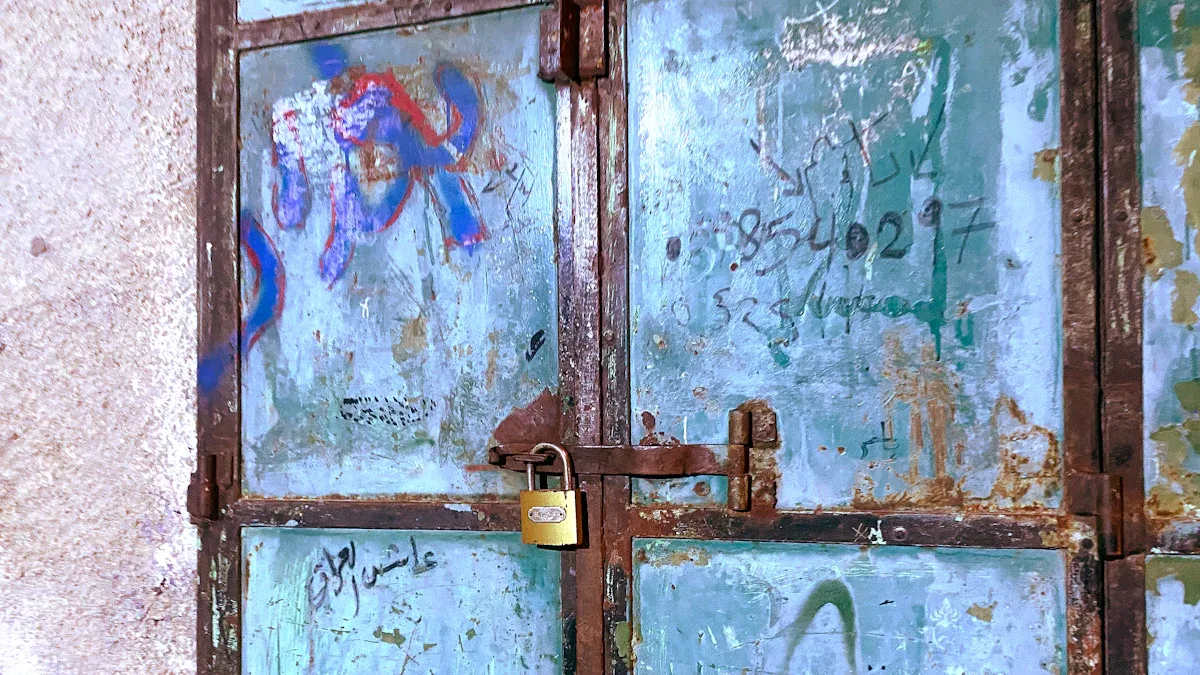
Corrosion is a natural process. It converts refined metal into a more stable form, like its oxides or hydroxides. You see it as rust on iron or tarnish on silver. This process slowly destroys materials. It weakens structures and equipment. Salt spray is a major threat because it greatly speeds up corrosion. Saltwater contains ions. These ions act as electrolytes. They conduct electricity. This accelerates the electrochemical reactions that cause corrosion. Think of coastal areas or roads treated with de-icing salts. These environments expose your assets to constant salt spray. This exposure makes metals degrade much faster. It reduces their lifespan significantly.
The Fundamental Ways Coatings Prevent Corrosion
Coatings protect your materials in two main ways. First, they create a physical barrier. This barrier separates the metal surface from corrosive elements. It blocks moisture, oxygen, and salt ions. These elements cannot reach the metal. This stops the corrosion process before it starts. Second, some coatings offer active protection. They contain special chemicals. These chemicals react with corrosive agents. They neutralize them. Other coatings include sacrificial pigments. These pigments corrode instead of the underlying metal. They sacrifice themselves to save your equipment. This dual approach ensures comprehensive protection. It significantly extends the Surface Treatment, Durability of your valuable assets.
Advanced Coating Solutions for Enhanced Protection
Modern coating technology offers many advanced solutions. These solutions provide even stronger protection. You can find ceramic coatings. They offer extreme hardness and chemical resistance. They stand up to harsh environments. Polymer coatings provide flexibility and excellent adhesion. They resist cracking and peeling. Smart coatings are also emerging. These coatings can self-heal minor damage. They release corrosion inhibitors when they detect a problem. This proactive defense keeps your materials safe. You also have metallic coatings. These coatings apply a layer of a more corrosion-resistant metal. Zinc galvanization is a common example. It provides both barrier and sacrificial protection. Choosing the right advanced coating depends on your specific needs. It ensures optimal Surface Treatment, Durability for your applications. This strategic Surface Treatment, Durability choice saves you money and time in the long run.
Strategic Surface Treatment: Selection, Application, and Maintenance for Longevity
Choosing the Right Anti-Corrosion Coating
You face many choices when selecting an anti-corrosion coating. Your specific environment dictates the best option. Consider the material you need to protect. Think about the expected lifespan for your equipment. You must also evaluate the cost versus the performance benefits. For marine environments, you need specialized coatings. These coatings resist constant saltwater exposure. For industrial settings, you might require chemical-resistant options. Always match the coating to the specific corrosive threat. This careful selection ensures effective Surface Treatment, Durability for your assets.
Essential Surface Preparation for Optimal Adhesion
Proper surface preparation is critical for any coating project. It ensures your coating sticks well to the material. Without it, coatings fail quickly. You must remove all contaminants from the surface. This includes rust, grease, dirt, and old paint. Abrasive blasting is a common and effective method. It creates a rough profile on the surface. This profile gives the coating something strong to grip. Chemical cleaning removes oils and other residues. You need a clean, dry, and properly profiled surface before application. This crucial step directly impacts the coating’s long-term performance and protective capabilities.
Best Practices for Coating Application
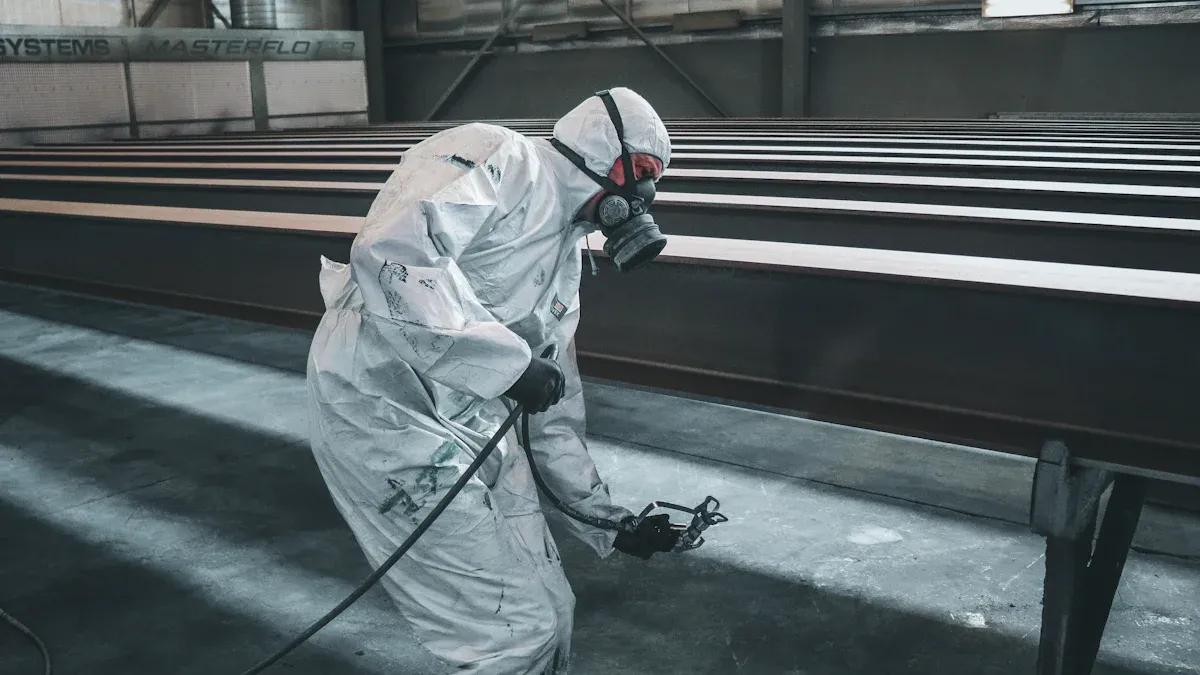
Apply coatings under ideal environmental conditions. Avoid extreme temperatures or very high humidity. Always follow the manufacturer’s instructions carefully. Use the correct application method for your project. Spraying works well for large, uniform areas. Brushing or rolling suits smaller, more intricate parts. Apply the correct film thickness. A coating that is too thin offers poor protection. A coating that is too thick may crack or peel prematurely. Allow proper curing time for the coating. This lets it harden fully and achieve its maximum protective properties. Rushing this step compromises the coating’s integrity. Correct application maximizes the Surface Treatment, Durability of your valuable assets.
Monitoring and Reapplication for Sustained Protection
Your work does not end once you apply the coating. You must regularly inspect all coated surfaces. Look for any signs of wear, damage, or blistering. Early detection prevents widespread corrosion from taking hold. Address small issues promptly. You can repair localized damage before it spreads. Reapply coatings when they show significant degradation or failure. This proactive approach maintains continuous protection for your materials. It extends the overall lifespan of your equipment. Regular maintenance ensures sustained Surface Treatment, Durability and protects your investment.
You must choose the right coating technology. This extends your materials’ life and saves you money. Proactive coating strategies keep your assets strong. They ensure long-term performance. Future innovations will bring even stronger and more sustainable protection against environmental damage. This protects your investments.
FAQ
What is the best coating for saltwater environments?
For saltwater, choose marine-grade epoxy or polyurethane coatings. They offer superior resistance to salt and moisture. This protects your equipment effectively.
How often should I reapply anti-corrosion coatings?
Reapplication depends on the coating type and environment. Inspect coatings regularly. Reapply when you see wear or damage. This maintains continuous protection.
Can coatings fix existing rust?
No, coatings do not fix existing rust. You must remove all rust before applying a coating. This ensures proper adhesion and effective protection.
Post time: Nov-07-2025
