

Heavy-duty and passenger vehicles face vastly different operational stresses. These distinct demands necessitate unique material compositions, grades, and designs for optimal safety and performance. Selecting the correct nuts and bolts is critical for fleet integrity, preventing failures, and ensuring the longevity of your assets and the satisfaction of your Target User. Understanding the specific needs of your Target Audience is paramount in making these crucial component choices.
Key Takeaways
- Heavy-duty and passenger vehicles need different nuts and bolts. Heavy-duty vehicles need stronger fasteners. They handle bigger loads and harsher weather.
- Choosing the right fasteners is very important for safety. Always pick fasteners that meet industry rules. This keeps your vehicles and people safe.
- Good fasteners save money over time. Cheap fasteners can break fast. This causes costly repairs and vehicle downtime.
Understanding Fastener Demands for Diverse Fleets

You manage diverse fleets. Each vehicle type presents unique challenges for its fasteners. Understanding these demands ensures optimal performance and safety.
Load Bearing and Stress Requirements for Heavy Duty vs. Passenger Vehicles
Heavy-duty vehicles endure immense forces. They carry significant cargo or tow heavy loads. This creates high shear, tensile, and fatigue stresses on every fastener. Passenger vehicles experience lighter, more consistent loads. Their fasteners primarily handle static loads and moderate dynamic forces. You must select fasteners that match these specific load profiles. For example, a truck’s suspension bolts require far greater strength than a car’s interior panel screws.
Environmental Exposure and Durability Needs
Fleet vehicles operate in varied environments. Heavy-duty trucks often face harsh conditions. They encounter road salt, extreme temperatures, and corrosive chemicals. Their fasteners need superior corrosion resistance and robust material properties. Passenger vehicles typically experience less severe exposure. However, they still require protection against moisture and road grime. You should consider coatings and materials that withstand these specific environmental challenges.
Safety and Regulatory Standards for Fasteners
Fasteners are critical safety components. They directly impact vehicle integrity. Both heavy-duty and passenger vehicles must meet stringent safety regulations. You must ensure your chosen fasteners comply with industry standards like SAE, ASTM, or ISO. These standards dictate material properties, testing procedures, and performance criteria. Non-compliant fasteners risk catastrophic failure and legal repercussions. Prioritize certified components for every application.
Key Differentiating Factors in Fastener Specifications
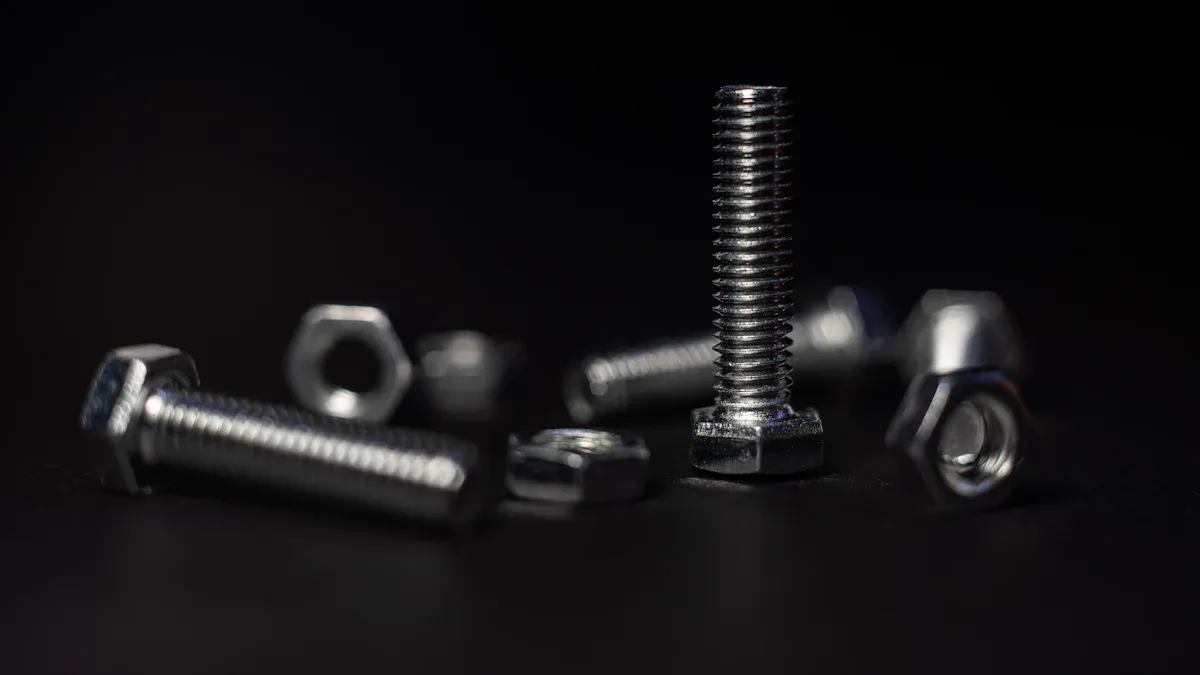
Material Composition and Grade for Optimal Performance
Fastener material and grade are paramount. They determine a fastener’s strength and durability.
- Heavy-Duty Vehicles: You typically require high-strength steel alloys. These include Grade 8, 10.9, or 12.9 bolts. Manufacturers heat-treat these materials. This process enhances their tensile strength and yield strength. You need fasteners that withstand extreme shear and tension. They must resist fatigue from constant vibration and heavy loads. Always verify material certifications. This ensures the fasteners meet rigorous industry standards.
- Passenger Vehicles: You often use lower-grade steels, such as Grade 5 or 8.8. These materials offer sufficient strength for lighter loads. They handle static and moderate dynamic forces effectively. Some applications may even use aluminum or specialized plastics. These choices reduce weight and resist corrosion in specific areas. You select materials based on the component’s function and stress level.
Coatings and Finishes for Enhanced Protection
Coatings protect fasteners from environmental degradation. They extend component lifespan.
- Heavy-Duty Vehicles: Your fasteners face harsh conditions. You need superior corrosion protection.
- Zinc Plating: Often with yellow chromate, it provides good corrosion resistance.
- Hot-Dip Galvanizing: This offers a thick, durable coating. It is ideal for outdoor exposure and extreme environments.
- Mechanical Galvanizing: This provides a more uniform coating. It avoids hydrogen embrittlement risks.
- Specialized Coatings: Consider ceramic or fluoropolymer coatings. They offer enhanced resistance to chemicals, salt, and extreme temperatures. These coatings are crucial for longevity in demanding applications.
- Passenger Vehicles: Fasteners here require less extreme protection.
- Clear or Yellow Zinc Plating: This offers basic corrosion resistance and a clean appearance.
- Black Oxide: This provides a decorative finish and mild corrosion protection.
- Phosphate Coatings: These offer a base for paint or oil. They provide some corrosion resistance. You balance protection with aesthetic requirements and cost.
Thread Types and Pitch for Secure Connections
Thread design impacts a fastener’s holding power and ease of assembly.
- Heavy-Duty Vehicles: You commonly use coarse threads (e.g., UNC – Unified National Coarse).
- Strength: Coarse threads have deeper roots. This provides greater strength and resistance to stripping. Assembly: They are less susceptible to damage during assembly. They also tolerate minor misalignment better.
- Vibration: They maintain connection integrity even under significant vibration.
- You prioritize robust connections that withstand high stress.
- Passenger Vehicles: You find both coarse and fine threads.
- Fine Threads (UNF – Unified National Fine): These offer more precise adjustments. They provide better vibration resistance for smaller components.
- Metric Threads (M Series): These are very common. They offer a standardized system for various applications.
- You choose thread types based on the need for precision, vibration resistance, and load distribution.
Head Styles and Locking Mechanisms for Reliability
The head style affects how you install and remove a fastener. Locking mechanisms prevent loosening.
- Heavy-Duty Vehicles: You need robust head styles and secure locking.
- Hex Head Bolts: These are common. They allow for high torque application.
- Flange Bolts: These distribute the load over a wider area. They often eliminate the need for separate washers.
- Structural Bolts: These meet specific requirements for steel construction.
- Locking Mechanisms: These are critical.
- Lock Washers: Split, external tooth, or internal tooth washers provide friction.
- Prevailing Torque Nuts: These include nylon insert nuts or all-metal designs. They create constant friction on the bolt threads.
- Castellated Nuts with Cotter Pins: These offer a positive mechanical lock. They prevent loosening even under extreme vibration.
- You prioritize maximum security and resistance to loosening.
- Passenger Vehicles: You use a wider variety of head styles.
- Hex Head: Still common.
- Phillips, Torx, Allen (Socket Cap): These offer different levels of torque transfer and tamper resistance.
- Locking Mechanisms:
- Nylon Insert Lock Nuts: These are popular for their reusability.
- Star Washers: These provide a biting action for grip.
- Thread-Locking Compounds (e.g., Loctite): These chemical solutions prevent fasteners from vibrating loose.
- You balance security with ease of assembly and aesthetic considerations.
Strategic Sourcing for Fleet Managers: Meeting Target User Needs
Assessing Fleet Needs and OEM Specifications
You must first understand your fleet’s specific requirements. Each vehicle type has unique demands. Heavy-duty trucks need different fasteners than passenger cars. Review your Original Equipment Manufacturer (OEM) specifications. These documents provide critical details. They list the exact fastener types, grades, and sizes. Ignoring these specifications leads to improper selection. This compromises vehicle safety and performance. You ensure every component meets the intended design. This proactive approach directly serves your Target User by maintaining vehicle integrity. Understanding these needs is fundamental for your entire Target Audience.
Supplier Selection and Quality Assurance for Fasteners
Choosing the right supplier is crucial. You need partners who prioritize quality. Look for suppliers with strong quality control processes. They should provide material certifications. These certifications confirm fastener grade and composition. Ask about their testing procedures. Reputable suppliers conduct rigorous tests. These tests ensure fasteners meet industry standards. A reliable supplier reduces your risk of component failure. This protects your fleet assets. It also safeguards your drivers and cargo.
Cost vs. Value: Beyond the Purchase Price for Fleet Longevity
You might see a lower price on some fasteners. However, consider the long-term value. Cheap fasteners often fail prematurely. This leads to costly repairs and vehicle downtime. A single fastener failure can cause significant damage. It can also create safety hazards. Invest in quality fasteners. They offer superior durability and performance. This investment extends vehicle life. It reduces maintenance frequency. You save money in the long run. Prioritizing value over initial cost benefits your entire Target Audience. It ensures operational continuity. This approach directly impacts the safety and efficiency for every Target User.
Inventory Management and Standardization for Efficiency
Effective inventory management streamlines your operations. You should standardize fastener types where possible. This reduces the number of unique parts you stock. Standardization simplifies procurement. It also minimizes inventory errors. You can purchase larger quantities of fewer items. This often leads to better pricing. A well-organized inventory ensures the right fastener is always available. This prevents delays in maintenance. It improves overall fleet efficiency. You maintain a lean, effective parts system.
Best Practices for Fastener Selection: Guiding the Target Audience
Prioritizing Safety and Compliance in Procurement
You must always put safety first. Fastener selection directly impacts vehicle safety. Always choose components that meet or exceed industry standards. These include SAE, ASTM, and ISO certifications. Non-compliant fasteners risk catastrophic failure. This endangers your drivers and other road users. Your procurement decisions protect every Target User. You ensure your fleet operates safely and legally.
Leveraging Technology for Fastener Management
Technology can greatly improve your fastener management. You can use specialized software for inventory tracking. Digital catalogs provide instant access to specifications. This helps you quickly identify the correct fastener for each application. Technology reduces errors in selection and ordering. It streamlines your supply chain. You maintain accurate records and optimize stock levels.
Training and Education for Maintenance Teams
Proper installation is as crucial as proper selection. Your maintenance teams need thorough training. They must understand correct torque specifications. Teach them how to identify fastener wear and damage. Regular education ensures they use the right tools and techniques. This prevents common installation errors. Well-trained teams extend fastener life. They enhance the safety and reliability of your entire fleet, benefiting your Target Audience.
You must understand the distinct demands of heavy-duty versus passenger vehicles. This is paramount for selecting correct nuts and bolts. Proper fastener selection is not just a procurement decision. It is a critical safety and operational imperative. It directly impacts vehicle longevity, performance, and fleet efficiency. Invest in knowledge and quality sourcing practices. Safeguard your assets and personnel.
FAQ
What is the most important factor when choosing fasteners for your fleet?
You must prioritize safety and compliance. Fasteners directly impact vehicle integrity. Always select components meeting or exceeding industry standards. This protects your assets and personnel.
Can you use passenger vehicle fasteners on heavy-duty trucks?
No, you cannot. Heavy-duty vehicles require fasteners with higher strength and durability. Passenger vehicle fasteners lack the necessary load-bearing capacity and environmental resistance for trucks.
How do you ensure fastener quality from your suppliers?
You should select suppliers with strong quality control. They must provide material certifications. Ask about their rigorous testing procedures. This verifies fasteners meet all industry standards.
Post time: Nov-11-2025
