


Tire balance plays a critical role in keeping your car safe and performing at its best. Uneven tires can cause vibrations, reduce fuel efficiency, and lead to uneven wear. Installing stick on wheel weights makes DIY wheel balancing easier and more precise. When you install stick on wheel weights correctly, you ensure smoother rides and longer-lasting tires, which is an essential part of car repair tips.
Key Takeaways
- Stick-on weights are simple to use and stay better than clip-on weights. They fit securely and keep your wheels safe from harm.
- Installing them correctly is very important. Clean the wheel well and let the glue stick for 24 hours for best results.
- Check your stick-on weights often for damage. Clean your wheels carefully to keep them working and enjoy a smooth drive.
Benefits of Stick-On Wheel Weights
Why Stick-On Weights Are Better Than Clip-On Weights
When it comes to tire balancing, stick-on weights outperform clip-on weights in several ways. First, they are easier to use. Unlike clip-on weights, which require specific styles to match different wheel designs, stick-on weights offer a universal solution. You can apply them to almost any wheel type, saving time and effort.
Stick-on weights also stay in place better. Their adhesive backing ensures they remain secure, even at high speeds. This reduces the risk of weights flying off, a common issue with clip-on weights when improperly installed. Additionally, clip-on weights can damage your wheels. They often scratch the surface or create gaps that allow moisture to seep in, leading to corrosion. Stick-on weights eliminate this problem, protecting your wheels while maintaining their appearance.
Key Advantages of Adhesive Weights for Tire Balancing
Adhesive weights provide unmatched precision and versatility. You can trim them to achieve the exact weight needed, ensuring perfect balance for your tires. This level of customization is especially useful for high-performance vehicles or custom wheels. Many users report that their wheels feel perfectly balanced after using stick-on weights, enhancing driving comfort and safety.
Another advantage is their aesthetic appeal. Stick-on weights can be hidden behind wheel spokes, making them ideal for wheels without a flange. They also come in various colors and materials, allowing you to match them to your wheel design. This makes them a popular choice for custom and luxury vehicles.
Proper installation is key to their effectiveness. Cleaning the wheel surface and removing old weights ensures strong adhesion. Once applied, these weights stay securely in place, providing long-lasting performance. By placing them at the center of the imbalance point, you can achieve optimal tire performance and a smoother ride.
Step-by-Step Guide to Installing Stick-On Wheel Weights
Tools and Materials Needed for Installation
Before you begin, gather the necessary tools and materials to ensure a smooth installation process. Here’s a comparison of universal and vehicle-specific weights to help you choose the right option:
| Feature | Universal Weights | Vehicle-Specific Weights |
|---|---|---|
| Compatibility | Fits most wheel types | Designed for specific vehicles |
| Cost | More affordable | Slightly higher price |
| Precision | Good for general use | Excellent for tailored performance |
| Availability | Widely available | May require special ordering |
In addition to the weights, you’ll need:
- A wheel balancing machine for precise placement.
- A water-based cleaner to prepare the wheel surface.
- A measuring tool to cut the adhesive weights accurately.
Tip: Ensure there’s enough clearance between the weights and the brakes or rotors to avoid interference during driving.
Preparing the Wheel Surface for Adhesion
Proper surface preparation is critical for strong adhesion. Start by cleaning the wheel surface thoroughly. Use a water-based cleaner to remove dirt, grease, and debris. Avoid oil-based cleaners, as they can leave a residue that weakens the adhesive bond.
For enhanced bonding, consider advanced techniques like chemical surface treatments or surface primers. These methods, such as degreasing or using adhesion promoters, improve the adhesive’s grip on the wheel.
| Technique | Description |
|---|---|
| Chemical Surface Treatments | Removes contaminants and enhances adhesion through degreasing or solvent cleaning. |
| Surface Activation Techniques | Improves surface energy and bonding with methods like plasma treatment. |
| Surface Primers and Adhesion Promoters | Enhances compatibility and adhesion, especially for metal wheels. |
Identifying Placement with a Balancing Machine
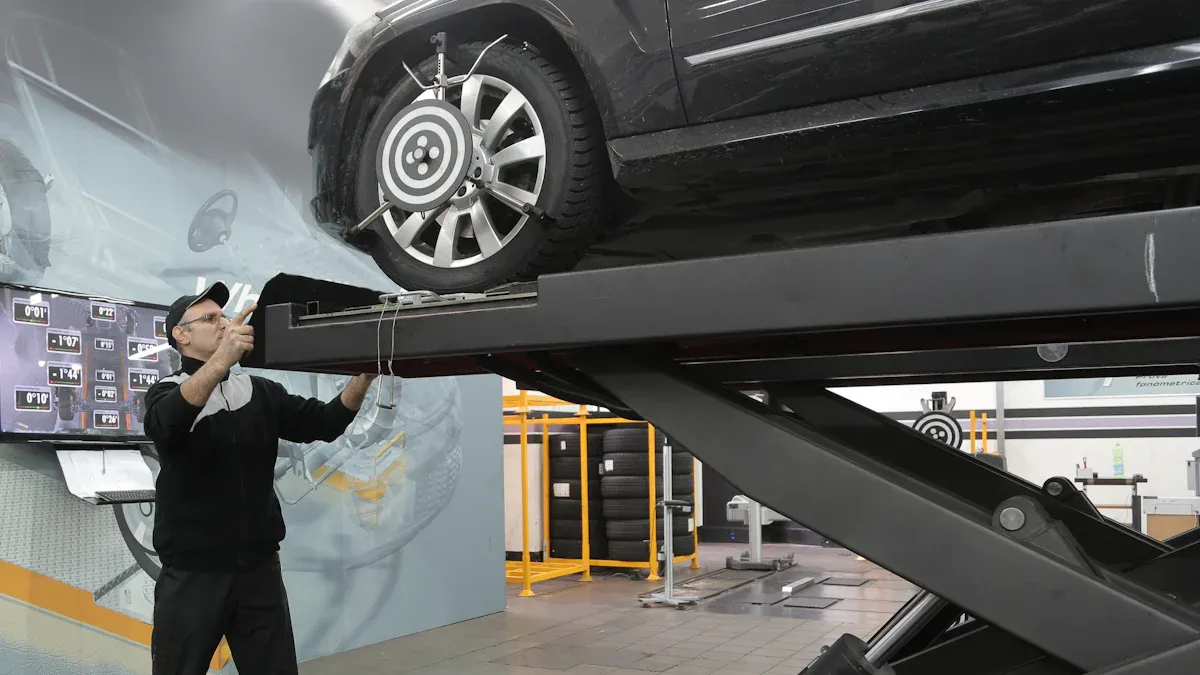
A wheel balancing machine is essential for determining the exact placement of stick on wheel weights. These machines measure imbalances and indicate where weights should be applied. For optimal results:
- Temporarily attach weights with duct tape during the initial balance.
- Place the outside weight near the outer edge of the wheel.
- Position the inside weight on the inner edge, ensuring clearance from the brake caliper.
Modern machines, like the Weaver® Wheel Balancer, offer calibration accuracy up to 1 gram or 0.10 ounces. This precision ensures that your tires achieve perfect balance, enhancing driving comfort and safety.
Applying Stick-On Wheel Weights Correctly
Follow these steps to apply the weights effectively:
- Clean and dry the wheel surface. Inspect for any damage.
- Measure and cut the adhesive weights to the required size.
- Peel off the backing tape and position the weight on the designated spot.
- Press firmly to ensure the adhesive sticks evenly.
Note: Smooth out the tape to eliminate air bubbles, which can weaken the bond.
Ensuring Proper Adhesion and Allowing Time to Set
After applying the weights, check the adhesion by gently pressing along the edges. Allow the adhesive to set for at least 24 hours before driving. This curing time ensures the weights remain secure, even under high-speed conditions.
Re-Checking Tire Balance After Installation
Once the weights are in place, perform a check spin using the balancing machine. The display should indicate zero weight needed on both the inboard and outboard planes. This confirms that the tire is balanced and ready for use. Skipping this step can result in residual vibrations, reducing the effectiveness of the balancing process.
Tips for Maintaining Tire Balance with Stick-On Wheel Weights

Inspecting Weights for Wear or Damage
Regular inspections help you maintain tire balance and extend the life of your stick on wheel weights. Check the weights for signs of wear, such as peeling adhesive or physical damage. Look for cracks or chips that could affect their performance. If you notice any issues, replace the weights immediately to prevent imbalance.
Pay attention to the surrounding area as well. Dirt buildup or corrosion near the weights can weaken their bond. Clean the area and ensure the weights remain securely attached. By catching these problems early, you avoid unnecessary vibrations and ensure a smoother ride.
Cleaning Wheels Without Damaging Adhesive Weights
Cleaning your wheels properly keeps the adhesive weights intact. Use a soft cloth and a water-based cleaner to remove dirt and grime. Avoid harsh chemicals or abrasive tools, as they can loosen the adhesive or scratch the weights.
When cleaning, focus on the edges of the weights. Dirt often accumulates there, which can compromise their grip. A gentle approach ensures the weights stay firmly in place while keeping your wheels looking great.
Tip: Clean your wheels regularly to prevent buildup that could interfere with the adhesive bond.
Monitoring Tire Performance for Imbalance
Monitoring tire performance helps you catch early signs of imbalance. Pay attention to vibrations while driving, especially at higher speeds. If you feel unevenness, it may indicate that the weights have shifted or fallen off.
To validate proper centering, reposition the wheel on the balancer and take multiple measurements. Consistent results confirm accurate balancing. Diagnostic balancers can also detect vibrations and residual static imbalance, ensuring your tires perform optimally.
| Practice | Description |
|---|---|
| Proper Mounting Techniques | Ensures the wheel is correctly positioned on the balancer for accuracy. |
| Use of Diagnostic Balancers | Identifies vibrations and imbalances early. |
| Addressing Residual Static Imbalance | Maintains tire performance and ride quality. |
| Checking Radial Force Variation (RFV) | Detects non-uniformities that could lead to imbalance. |
By staying proactive, you maintain tire balance and enjoy a safer, more comfortable driving experience.
Balancing your tires with stick-on wheel weights ensures a smoother, safer ride. The installation process is straightforward and effective, even for beginners. By following this guide, you’ll protect your tires, improve vehicle performance, and enjoy a more comfortable driving experience.
Take action today—equip your wheels with stick-on weights and feel the difference!
FAQ
How do I know if my tires need balancing?
You’ll notice vibrations in the steering wheel or uneven tire wear. Balancing your tires eliminates these issues, ensuring a smoother and safer ride.
Can I reuse stick-on wheel weights?
No, you should not reuse them. Once removed, the adhesive loses its strength. Always use new weights for reliable adhesion and accurate balancing.
Are stick-on weights suitable for all vehicles?
Yes! Stick-on weights work for most vehicles, including cars, trucks, and motorcycles. Their universal design ensures compatibility with various wheel types and sizes.
Tip: Always check your vehicle’s manual for specific recommendations before installing weights.
Post time: May-10-2025
