

Finishes on lug nuts and bolts offer more than aesthetics. Zinc plating provides drivers excellent overall value, balancing cost-effectiveness with reliable corrosion protection. Chrome delivers premium aesthetics at a higher cost, requiring specific maintenance. Black oxide offers a subtle look, demanding particular functional requirements. Each choice impacts Appearance, Functionality, Cost, and its overall Appearance,Functionality,Cost.
Key Takeaways
- Chrome plating looks shiny and offers good protection, but it costs more and needs regular cleaning.
- Zinc plating protects well against rust and costs less, making it a good choice for most everyday cars.
- Black oxide gives a subtle, dark look, but it needs oil or wax often to stop rust.
Understanding Finishes: Appearance, Functionality, Cost
Why Finishes Matter Beyond Aesthetics
Finishes on lug nuts and bolts do more than just make them look good. They play a critical role in the performance and lifespan of these essential components. A proper finish protects the metal underneath from harsh elements. It prevents rust and corrosion, which can weaken the parts over time. This protection ensures the nuts and bolts remain strong and secure. Finishes also affect how easily you can install or remove the parts. They can reduce friction, making maintenance tasks simpler. Therefore, choosing the right finish impacts the overall Appearance, Functionality, Cost of your vehicle’s hardware.
Overview of Finish Types
Many types of finishes exist for metal parts. Each finish offers a unique set of characteristics. Some finishes prioritize a shiny, decorative look. Others focus on maximum protection against rust. Still others provide a subtle, non-reflective surface. Common finishes for lug nuts and bolts include chrome plating, zinc plating, and black oxide. Chrome offers a bright, mirror-like shine. Zinc provides a duller, but very effective, protective layer. Black oxide gives a dark, matte appearance. Understanding these differences helps you make an informed decision for your specific needs.
Chrome Plating: Premium Appearance and Protection
Chrome Plating Advantages
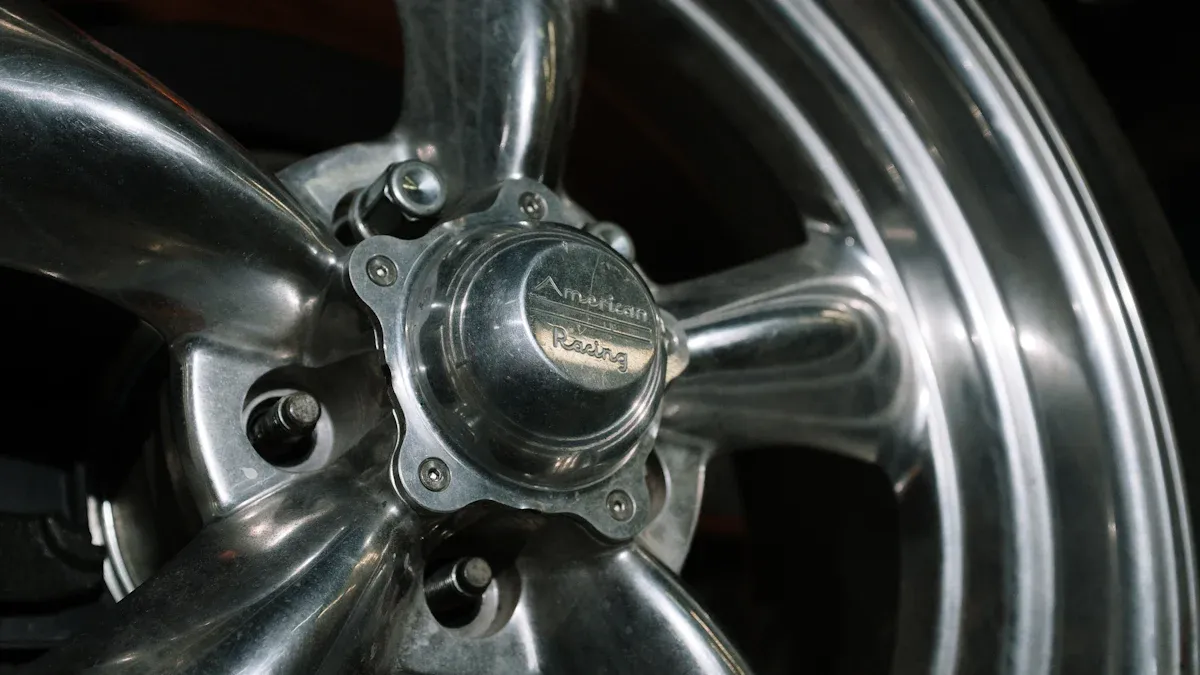
Chrome plating offers a distinct, mirror-like finish. This finish provides a premium aesthetic. Many people choose chrome for its bright, shiny look. Beyond appearance, chrome also offers good corrosion resistance. It forms a hard, durable layer on the metal surface. This layer protects the underlying material from rust and wear. Chrome plating also makes surfaces easier to clean. Dirt and grime do not stick as easily to a smooth chrome finish.
Chrome Plating Disadvantages
Chrome plating comes with some drawbacks. It is generally more expensive than other finishes. The plating process involves several steps, increasing the cost. Chrome can also chip or peel over time. This happens especially if the part experiences impacts or harsh chemicals. Once chipped, the underlying metal becomes exposed. This exposure can lead to rust. Chrome also requires specific maintenance. Owners must clean and polish it regularly to maintain its shine.
Tip: Avoid harsh abrasive cleaners on chrome. They can scratch the surface and dull its luster.
When Chrome Justifies the Cost
Chrome plating justifies its cost in specific situations. Vehicle owners prioritize a high-end, custom look. They often choose chrome for its visual appeal. Show cars or luxury vehicles frequently feature chrome components. The enhanced aesthetics add significant value in these cases. Chrome also works well for parts not exposed to extreme conditions. If a part needs both protection and a striking appearance, chrome is a strong contender. For those who value premium style and are willing to invest in maintenance, chrome is the right choice.
Zinc Plating: Balanced Functionality and Cost-Effectiveness
Zinc Plating Advantages
Zinc plating offers excellent protection against rust. It creates a barrier on the metal surface. This barrier prevents moisture and oxygen from reaching the steel. Zinc also provides cathodic protection. This means the zinc corrodes before the underlying steel. This “self-sacrificing” action extends the life of the lug nuts and bolts. Zinc plating is also very cost-effective. It costs less than chrome plating. This makes it a popular choice for many vehicle owners.
Zinc Plating Disadvantages
Zinc plating does not offer the same shiny look as chrome. It has a duller, more matte finish. Some people find this less appealing. Zinc coatings can also wear down over time. They may not withstand extreme abrasion as well as harder finishes. Regular exposure to road salt or harsh chemicals can accelerate this wear.
When Zinc is the Practical Choice
Zinc plating is the practical choice for most drivers. It provides reliable protection without a high cost. Many car manufacturers use zinc-plated hardware as standard.
- Everyday Vehicles: It suits daily drivers perfectly.
- Budget-Conscious Buyers: It offers great value for money.
- Functional Needs: Choose zinc when function and durability are more important than a premium shine.
It balances protection and affordability very well.
Black Oxide: Subtle Appearance, Specific Functionality
Black Oxide Advantages
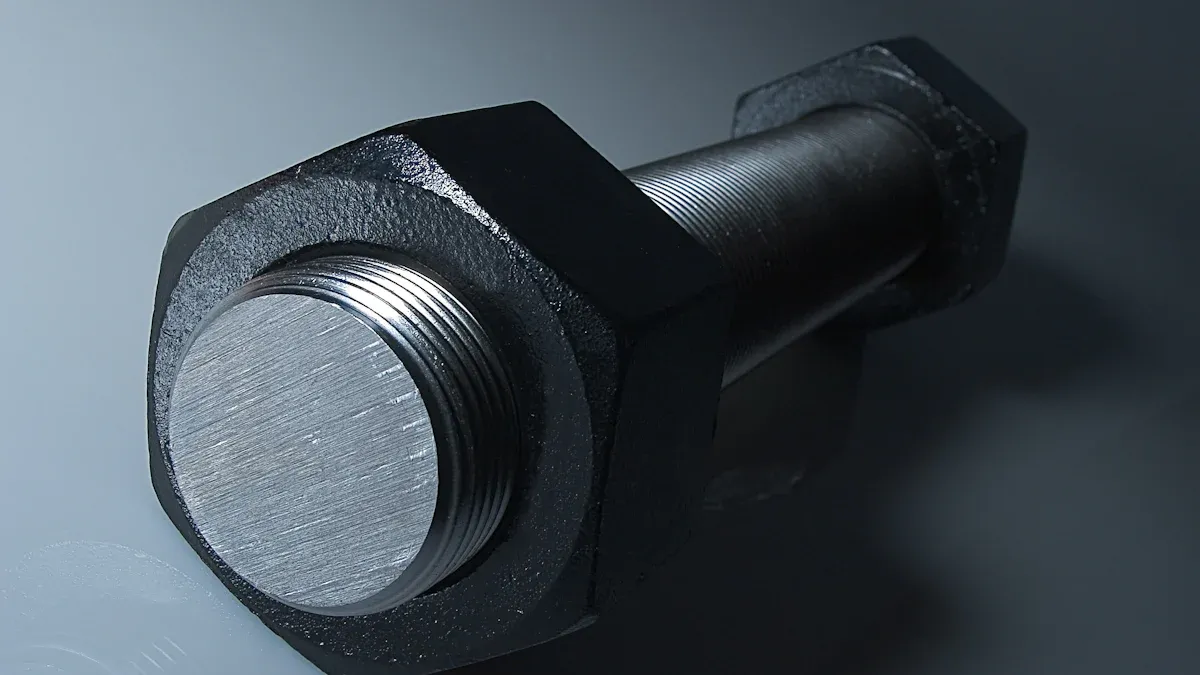
Black oxide provides a non-reflective, matte black finish. This finish offers a subtle, understated look. It does not significantly change the dimensions of the part. This makes it suitable for precision components. Black oxide also reduces light reflection. This feature proves useful in applications where glare is undesirable. The process is relatively inexpensive. It offers good corrosion resistance when manufacturers apply a post-treatment, such as oil or wax. This post-treatment creates a protective layer.
Black Oxide Disadvantages
Black oxide offers less inherent corrosion protection than zinc or chrome. Without proper post-treatment, it rusts more easily. The finish can rub off or wear away over time. This happens especially in areas with high friction. It does not provide the same hard, durable surface as chrome. The dark color can also make inspection for surface flaws more difficult. Black oxide requires regular reapplication of oil or wax to maintain its protective qualities.
When Black Oxide Excels for Specific Needs
Black oxide excels in specific situations. Manufacturers often choose it for internal components. It works well for parts not directly exposed to harsh weather. Its non-reflective property makes it ideal for military or tactical equipment. It also suits industrial machinery where a subtle appearance is preferred. When dimensional accuracy is critical, black oxide is a good choice because it adds minimal thickness. For those seeking a functional, low-key finish with proper maintenance, black oxide offers a practical solution.
Comparative Analysis: Durability, Corrosion, and Cost
Durability and Longevity Comparison
Different finishes offer varying levels of durability. Chrome plating creates a hard surface. This surface resists scratches well. However, chrome can chip or peel if it receives a strong impact. Once chipped, the underlying metal becomes exposed. This exposure can lead to faster wear. Zinc plating provides a softer coating. It resists abrasion less effectively than chrome. Over time, zinc coatings can wear away, especially in high-friction areas. Black oxide offers the least physical durability. It is a thin conversion coating. It can rub off easily with friction or handling. Its longevity depends heavily on proper post-treatment.
Corrosion Resistance Showdown
Corrosion resistance is a key factor. Chrome plating offers good protection. It forms a strong barrier against moisture and oxygen. If the chrome layer breaks, rust can start quickly at the exposed spot. Zinc plating excels in corrosion resistance. It acts as a sacrificial layer. The zinc corrodes before the steel underneath. This protects the lug nut or bolt for a longer time. Black oxide provides limited corrosion resistance on its own. It needs a secondary coating, like oil or wax. This post-treatment creates a protective barrier. Without it, black oxide parts rust quickly.
Aesthetic Impact and Visual Appeal
Each finish presents a distinct look. Chrome plating offers a bright, reflective, mirror-like finish. Many people choose it for its premium and custom appearance. It stands out on a vehicle. Zinc plating has a duller, grayish, or slightly iridescent appearance. It looks more utilitarian. It does not draw attention. Black oxide provides a matte black, non-reflective finish. It offers a subtle and understated look. It blends in with darker components. The choice often depends on personal preference and the desired overall vehicle style.
Cost Implications: Initial vs. Long-Term Value
The initial cost varies significantly. Chrome plating is the most expensive option upfront. The complex plating process drives up its price. Zinc plating offers the most cost-effective solution. Its process is simpler and less costly. Black oxide also has a low initial cost. However, long-term value includes more than just the purchase price. Chrome’s higher maintenance can add to its long-term cost. Zinc’s durability and low maintenance make it a good long-term value. Black oxide requires ongoing reapplication of protective oils. This adds to its long-term maintenance expenses. Considering Appearance, Functionality, Cost helps determine true value.
Maintenance and Care Requirements
Each finish demands different care. Chrome plating requires regular cleaning and polishing. This maintains its shine and prevents dulling. Owners should avoid harsh chemicals that can damage the chrome. Zinc plating needs minimal maintenance. Occasional cleaning with soap and water is usually enough. Black oxide requires the most consistent care. Owners must regularly reapply oil or wax. This prevents rust and maintains its protective qualities. Neglecting this step significantly reduces its effectiveness.
Making Your Choice: Factors for Optimal Functionality
Choosing the right finish for lug nuts and bolts involves several considerations. Drivers must weigh various factors. These factors include vehicle type, environmental conditions, budget, and personal style. Each element plays a role in the final decision.
Vehicle Type and Usage Considerations
The type of vehicle and its primary use significantly influence finish selection. A daily commuter car often benefits most from zinc-plated lug nuts. Zinc offers reliable protection against common road elements. It provides this protection at a cost-effective price. Off-road vehicles face harsher conditions. They encounter mud, water, and debris. For these vehicles, maximum corrosion resistance becomes crucial. Zinc plating, possibly with a chromate conversion coating, offers robust protection. Show cars or luxury vehicles prioritize aesthetics. Chrome plating provides a premium, shiny appearance. This enhances the vehicle’s overall look. Performance vehicles might consider black oxide for a subtle, functional finish. This choice often depends on specific design requirements.
Environmental Exposure Factors
The environment where a vehicle operates greatly impacts the longevity of its finishes. Vehicles in coastal regions experience high humidity and salt air. These conditions accelerate corrosion. Zinc plating offers superior sacrificial protection in such environments. Areas with harsh winters often use road salt. Road salt is highly corrosive. Zinc finishes perform well against this challenge. Vehicles in dry, arid climates face fewer corrosion threats. Here, drivers have more flexibility. They can choose finishes based more on appearance or specific functional needs. Extreme temperatures, both hot and cold, also affect material integrity. A durable finish helps protect against these stresses.
Budgetary Constraints
Budget plays a critical role in any purchasing decision. Chrome plating represents the highest initial investment. Its complex manufacturing process contributes to this cost. Drivers must also consider chrome’s maintenance requirements. These add to the long-term expense. Zinc plating offers the most budget-friendly option. It provides excellent protection without a high price tag. This makes it a popular choice for everyday vehicles. Black oxide finishes have a low initial cost. However, they require consistent post-treatment. This includes regular oiling or waxing. These ongoing maintenance tasks add to the long-term cost. Drivers must balance initial outlay with future upkeep. They need to consider the overall Appearance, Functionality, Cost.
Personal Aesthetic Preference
Personal taste always influences a driver’s choice. Some drivers prefer a bright, reflective look. Chrome plating delivers this premium aesthetic. It makes lug nuts stand out. Other drivers prefer a more understated appearance. Zinc plating offers a subtle, metallic gray finish. It blends in without drawing much attention. Black oxide provides a matte black, non-reflective look. This appeals to those who desire a stealthy or tactical style. The chosen finish contributes to the vehicle’s overall visual theme. Drivers often select a finish that complements their vehicle’s wheels and other accessories. This ensures a cohesive and personalized look.
Drivers choose chrome for ultimate aesthetics and good initial protection. They understand its higher cost and maintenance.
- Opt for zinc for reliable, cost-effective protection and everyday practicality.
- Select black oxide for a subtle, functional look. This requires proper post-treatment care.
Your ideal finish balances appearance, protection, and budget.
FAQ
Can chrome plating prevent all rust?
Chrome plating offers good protection. However, chips or scratches expose the metal. Rust can then form at these exposed spots. Regular maintenance helps prevent this.
Is zinc plating always gray?
Zinc plating often appears dull gray. Sometimes it has a slightly iridescent look. This depends on the specific plating process. It does not have a shiny finish like chrome.
Does black oxide need special care?
Yes, black oxide needs special care. It requires regular oil or wax application. This post-treatment protects against rust. Without it, the finish offers little corrosion resistance.
Post time: Nov-14-2025
