


Demand for OEM replacements and aftermarket upgrades drives the current hot sellers in vehicle-specific lug nuts and bolts. Popular truck, SUV, and performance car models primarily fuel this demand. Growing market trends also include anti-theft and lightweight options. These innovations significantly influence consumer choices.
Key Takeaways
- Popular trucks and SUVs drive demand for replacement lug nuts and bolts.
- Aftermarket parts offer performance and style upgrades for vehicles.
- Procurement teams need strong supply chains and new technology for sourcing parts.
Current Hot Sellers in Vehicle-Specific Lug Nuts & Bolts

OEM Replacement Demand by Vehicle Make and Model
Many vehicle owners require replacement lug nuts and bolts. This demand primarily comes from popular truck and SUV models. Ford F-Series trucks consistently lead sales. Chevrolet Silverado and Ram pickups also generate significant replacement needs. Owners often replace these parts during tire rotations or wheel changes. Corrosion and damage necessitate new components.
Popular OEM Replacement Models:
- Ford F-Series (F-150, F-250)
- Chevrolet Silverado
- Ram 1500
- Toyota RAV4
- Honda CR-V
These vehicles see high usage, leading to wear on original equipment. Maintaining vehicle safety requires proper lug nut and bolt integrity. Dealerships and independent repair shops frequently stock these items.
Aftermarket Performance and Aesthetic Upgrades
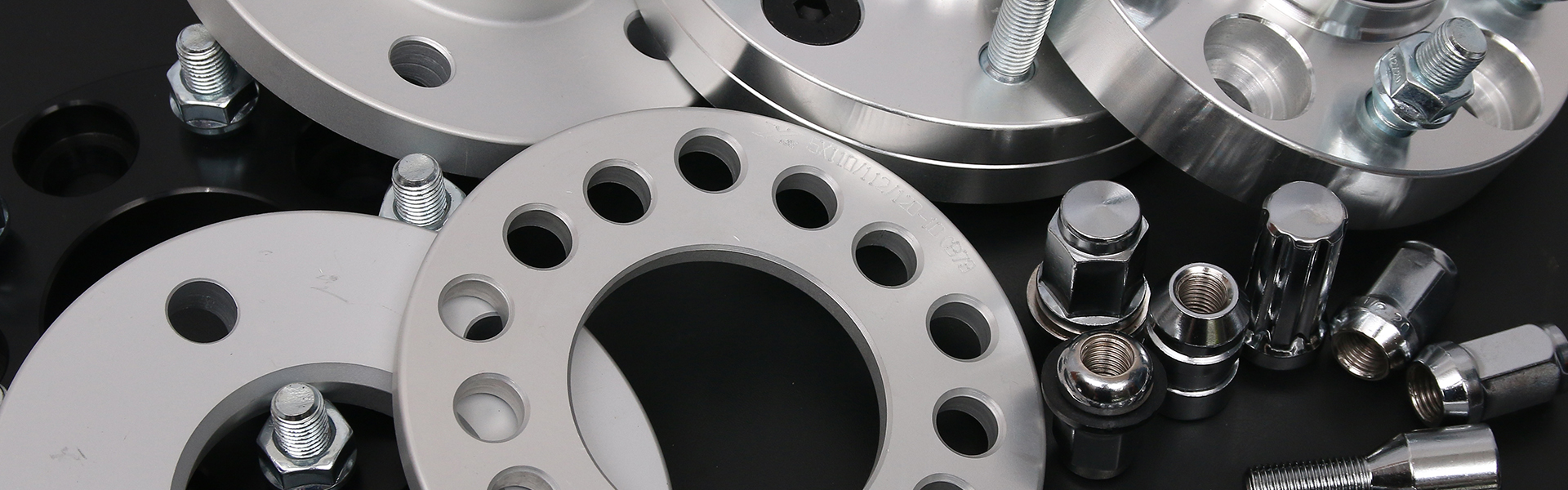
Vehicle enthusiasts seek to personalize their cars. Aftermarket lug nuts and bolts offer both performance and visual enhancements. Lightweight materials, such as forged aluminum or titanium, reduce unsprung weight. This improves handling and acceleration. Performance-oriented drivers often choose these upgrades.
Aesthetic options include various colors and finishes. Black, chrome, and neo-chrome finishes are popular choices. Spiked or tuner-style lug nuts also change a vehicle’s appearance. These products cater to owners who want a unique look. They often pair these with custom wheels. These specific preferences highlight evolving Market Trends in vehicle customization.
Security and Specialty Lug Nuts and Bolts
Vehicle owners prioritize wheel security. Locking lug nuts deter wheel theft. Each set includes a unique key for removal. This adds an extra layer of protection for valuable wheels.
Specialty lug nuts also serve specific functions. Extended thread lug nuts provide more engagement for thicker wheels. Open-ended lug nuts accommodate longer wheel studs, common in racing applications. These specialized items meet niche requirements. They ensure proper fitment and safety for modified vehicles. The market for these products reflects diverse consumer needs.
Key Procurement Market Trends in North America

Procurement professionals in North America navigate a complex landscape. They face evolving challenges and opportunities. Several significant Market Trends shape their strategies for vehicle-specific lug nuts and bolts. These trends influence how companies source, manage, and optimize their supply chains.
Supply Chain Resilience and Diversification Strategies
Recent global events highlighted vulnerabilities in supply chains. Companies now prioritize resilience. They move away from relying on single suppliers. Instead, they build diversified supplier networks. This strategy reduces risks from disruptions like natural disasters or geopolitical issues. Many firms explore nearshoring or reshoring options. This brings production closer to home. It shortens lead times and improves control. Developing regional supplier bases also strengthens local economies. Procurement teams conduct thorough risk assessments. They create contingency plans for critical components. For lug nuts and bolts, this means identifying multiple qualified manufacturers. It ensures a steady supply, even during unforeseen circumstances.
Technology Integration in Procurement Processes
Technology transforms procurement operations. Automation streamlines routine purchasing tasks. This frees up staff for more strategic work. Artificial intelligence (AI) and machine learning (ML) enhance demand forecasting. They also improve supplier selection. These tools analyze vast datasets. They identify optimal sourcing opportunities. Blockchain technology offers greater transparency in supply chains. It tracks materials from origin to final product. E-procurement platforms centralize purchasing activities. They improve efficiency and reduce errors. Data analytics provides insights into spending patterns and supplier performance. This technological integration leads to smarter, more efficient procurement decisions.
Sustainability and Ethical Sourcing Practices
Sustainability has become a core procurement concern. Consumers and regulators demand more environmentally friendly products. Companies seek suppliers who use recycled materials. They also look for manufacturers with reduced carbon footprints. Ethical sourcing ensures fair labor practices throughout the supply chain. This includes auditing supplier factories. It verifies compliance with social and environmental standards. For lug nuts and bolts, this means sourcing from manufacturers committed to responsible production. These Market Trends reflect a broader corporate responsibility movement. They influence supplier selection and product development.
Cost Optimization Strategies for Procurement
Cost optimization remains a constant goal for procurement teams. They employ strategic sourcing methods. This involves detailed analysis of spending and supplier capabilities. Negotiating long-term volume agreements secures better pricing. Value analysis and value engineering (VA/VE) examine product designs. They identify opportunities for cost reduction without sacrificing quality. Procurement professionals also consider the Total Cost of Ownership (TCO). TCO includes not just the purchase price, but also logistics, inventory, and quality costs. Efficient inventory management balances supply with demand. It minimizes holding costs. These strategies help companies maintain competitive pricing. They also ensure profitability in a dynamic market.
Forecasting Future Hot Sellers and Procurement Challenges
Impact of Electric Vehicles on Lug Nut and Bolt Demand
Electric vehicles (EVs) will significantly influence future lug nut and bolt demand. EVs often feature heavier battery packs. This increases vehicle weight. Manufacturers may require stronger, more durable fasteners. They also prioritize lightweight components to maximize range. This creates a demand for advanced materials like aluminum or titanium alloys. EVs also have unique wheel designs. These designs can necessitate specific lug nut and bolt configurations. Procurement teams must anticipate these evolving technical specifications. They need to source appropriate fasteners for the growing EV market.
Customization and Personalization Market Trends
Customization and personalization continue to drive consumer choices. Vehicle owners desire unique aesthetics. They seek performance enhancements. This trend extends to lug nuts and bolts. Demand will grow for custom colors, finishes, and unique designs. Aftermarket suppliers will offer more specialized options. These include intricate patterns or branded fasteners. Performance enthusiasts will continue to seek lightweight and high-strength materials. Procurement must identify suppliers capable of producing these diverse, high-quality products. These Market Trends require flexible manufacturing and efficient supply chains.
Anticipating Future Supply Chain Disruptions
Procurement professionals must remain vigilant. Future supply chain disruptions are inevitable. Geopolitical events, natural disasters, and economic shifts can impact material availability. They also affect shipping routes. Companies should strengthen supplier relationships. They need to implement robust risk management strategies. Diversifying sourcing locations reduces dependency on single regions. Investing in real-time tracking and predictive analytics helps mitigate potential issues. Maintaining buffer stock for critical components also provides a safety net. Proactive planning ensures a steady supply of lug nuts and bolts.
The North American market for vehicle-specific lug nuts and bolts remains dynamic. Popular models and aftermarket upgrades drive current hot sellers. Future trends point toward EV-specific designs and increased customization. Successful procurement demands resilient supply chains, technological adoption, and a focus on sustainability. These strategies navigate evolving demand and market challenges.
FAQ
Why are OEM replacement lug nuts and bolts popular?
Popular trucks and SUVs often need replacements due to wear or damage. Maintaining vehicle safety requires proper component integrity.
How do electric vehicles (EVs) affect lug nut and bolt demand?
EVs require stronger, lighter fasteners due to heavier battery packs. Unique wheel designs also necessitate specific configurations.
What does supply chain resilience mean for procurement?
It involves diversifying suppliers and creating contingency plans. This reduces risks from disruptions and ensures a steady supply.
Post time: Nov-18-2025
