

Wheel lug bolt integrity is crucial for vehicle safety and performance. Compromising component quality leads to catastrophic failures. Rigorous testing is an absolute necessity. It ensures compliance with North American Safety, Quality Standards, upholding the highest Safety,Quality Standards for vehicles.
Key Takeaways
- Wheel lug bolts must be very strong. They hold car wheels on safely. Bad bolts can cause accidents.
- Many tests check lug bolts. These tests make sure bolts do not break or bend. They also check if bolts can handle rust.
- Good testing means safe cars. It helps keep drivers and others safe on the road.
1. Tensile Strength and Yield Strength Testing: Foundation for Safety and Quality Standards
Understanding Tensile Strength
Tensile strength quantifies a material’s resistance to breaking when subjected to a pulling force. For wheel lug bolts, this test establishes the maximum pulling load a bolt can endure before fracturing. Testers apply a controlled, increasing force to the bolt until it breaks. A higher tensile strength signifies a more robust bolt. This inherent strength is fundamental for maintaining secure wheel attachment under diverse driving conditions. It ensures the bolt can resist forces attempting to pull it apart.
The Importance of Yield Strength
Yield strength holds equal importance. It defines the precise point where a material begins to deform permanently. Unlike tensile strength, which measures ultimate failure, yield strength identifies the load at which the bolt will no longer revert to its original form. If a lug bolt surpasses its yield strength, it stretches and weakens, even without immediate breakage. This permanent deformation severely compromises the bolt’s capacity to securely fasten the wheel.
Preventing Bolt Failure Under Load
Testing both tensile and yield strength confirms lug bolts can manage the dynamic forces vehicles encounter during operation. These forces encompass acceleration, braking, and cornering. Bolts must withstand these stresses without deforming or fracturing. This rigorous evaluation ensures the bolts meet critical Safety, Quality Standards. It prevents catastrophic wheel detachment, safeguarding vehicle occupants and other road users. These foundational tests establish reliable component performance, upholding overall vehicle Safety, Quality Standards.
2. Hardness Testing: Ensuring Durability and Resistance to Wear
Hardness for Lug Bolt Longevity
Hardness measures a material’s resistance to permanent indentation, scratching, and abrasion. For wheel lug bolts, this property directly impacts their longevity and functional integrity. A properly hardened bolt resists surface wear from repeated tightening and loosening cycles. It also withstands impacts from road debris. Adequate hardness ensures the bolt maintains its original shape and thread profile over its service life. This contributes significantly to the bolt’s overall durability.
Preventing Stripping and Deformation
Insufficient hardness in a lug bolt can lead to critical failures. Soft bolts are prone to thread stripping when technicians apply the specified torque. The bolt head can also deform under the clamping force or during installation. Such issues compromise the secure attachment of the wheel. They create a dangerous situation. Hardness testing verifies the bolt’s ability to resist these forms of damage. It ensures the bolt maintains its structural integrity under operational stresses.
Relevant Hardness Scales and Quality Standards
Manufacturers use various scales to measure hardness, such as Rockwell, Brinell, or Vickers. For lug bolts, the Rockwell C scale is common. Industry standards specify precise hardness ranges for these critical components. These standards ensure the bolts possess the necessary resistance to wear and deformation. Adhering to these specific hardness requirements is vital. It guarantees the bolts meet stringent Safety, Quality Standards for vehicle applications. This testing confirms the bolts will perform reliably throughout their intended lifespan.
3. Proof Load Testing: Verifying Real-World Performance and Safety
Purpose of Proof Load Testing
Proof load testing is a critical non-destructive evaluation for wheel lug bolts. This test confirms a bolt’s ability to withstand a specified load without showing any permanent deformation. Manufacturers apply a predetermined force to the bolt, typically a percentage of its ultimate tensile strength. The bolt must return to its original dimensions after the load’s removal. This process verifies the bolt’s elastic properties. It ensures the bolt can perform its function reliably under expected operational conditions.
Simulating Operational Stresses
This testing method effectively simulates the stresses a lug bolt experiences during vehicle operation. It applies a significant, yet controlled, load to the bolt. This load mimics the forces from wheel installation and dynamic driving conditions. The test ensures the bolt can handle these forces without yielding or stretching permanently. It provides confidence that the bolt will maintain its structural integrity when subjected to real-world pressures. This simulation is vital for predicting the bolt’s performance over time.
Withstanding Clamping Force
A primary function of a lug bolt is to create and maintain a consistent clamping force. This force securely attaches the wheel to the vehicle hub. Proof load testing directly verifies the bolt’s capacity to withstand this continuous clamping force. If a bolt fails proof load testing, it indicates a potential for permanent deformation under normal operating loads. Such deformation compromises the wheel’s secure attachment. This test is therefore essential for meeting stringent Safety, Quality Standards. It guarantees the bolt will reliably hold the wheel in place throughout its service life.
4. Torque-Tension Relationship Testing: Critical for Secure Wheel Attachment
Linking Applied Torque to Achieved Tension
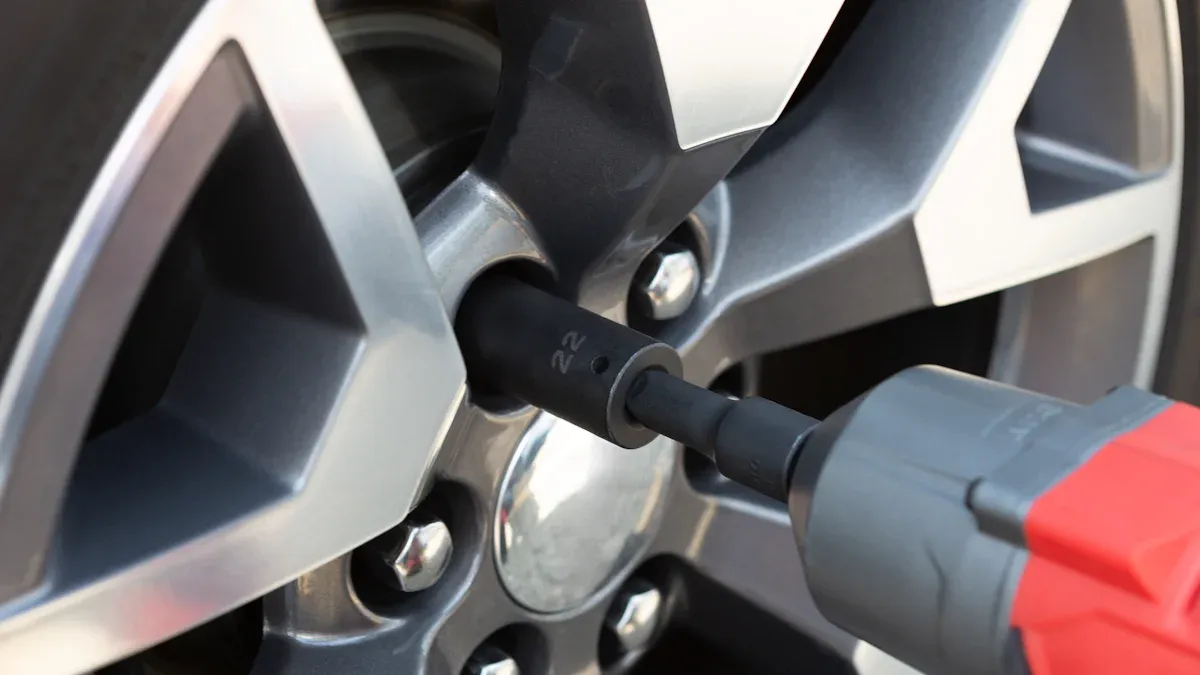
Applied torque is the rotational force a technician uses to tighten a lug bolt. However, the critical factor for wheel security is the tension the bolt develops. This tension creates the clamping force holding the wheel to the hub. Torque-tension relationship testing measures how efficiently applied torque converts into this vital axial tension. Testers use specialized equipment to apply torque and simultaneously measure the resulting bolt elongation, which directly correlates to tension. This test ensures the bolt achieves the necessary clamping force when tightened to manufacturer specifications.
Ensuring Consistent Clamping Force
A consistent clamping force is paramount for secure wheel attachment. Inconsistent tension across multiple lug bolts can lead to uneven load distribution, wheel vibration, and eventual loosening. This poses a significant safety risk. Torque-tension testing verifies that each bolt consistently generates the required clamping force. It confirms the bolts will maintain their grip under dynamic driving conditions. This consistency prevents premature wear on components and ensures the wheel remains firmly in place.
Factors Affecting Torque-Tension and Quality Standards
Several factors influence the torque-tension relationship. These include thread friction, bolt material, surface finish, and the presence of lubricants. Variations in these factors can drastically alter the achieved tension for a given torque. Rigorous testing identifies optimal torque specifications for specific bolt designs and materials. It also helps manufacturers establish precise quality control parameters. Adherence to these testing protocols ensures the bolts meet stringent Safety, Quality Standards. This guarantees reliable performance and contributes to overall vehicle safety.
5. Corrosion Resistance Testing: Battling Environmental Challenges
Impact of Corrosion on Lug Bolt Integrity
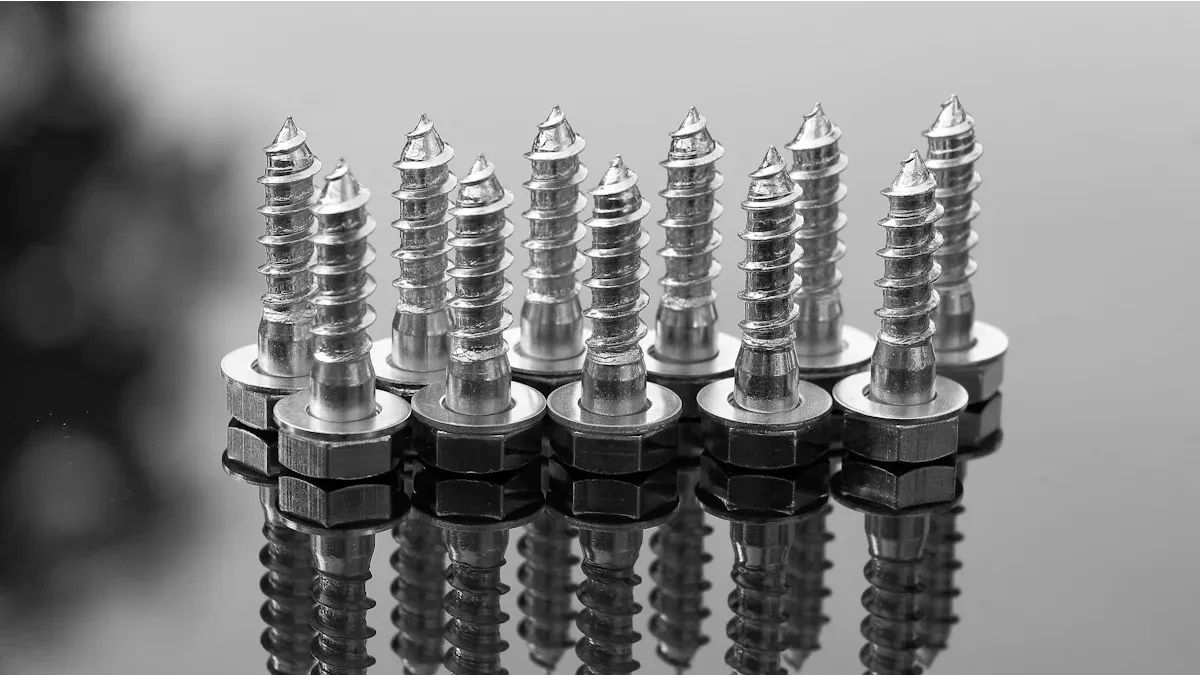
Corrosion significantly compromises a lug bolt’s structural integrity. Rust formation weakens the bolt material. It reduces the bolt’s load-bearing capacity. Corroded threads also prevent proper torque application. This leads to an insecure wheel attachment. A weakened bolt can fracture under normal driving stresses. This poses a severe safety risk. Manufacturers must ensure bolts resist environmental degradation.
Common Corrosion Testing Methods
Manufacturers employ several methods to assess corrosion resistance. The neutral salt spray test (ASTM B117) is a common standard. This test exposes bolts to a saline mist in a controlled chamber. It accelerates the corrosion process. Cyclic corrosion tests offer a more realistic simulation. These tests alternate between salt spray, humidity, and dry-out cycles. They mimic real-world weather conditions. These evaluations determine a bolt’s protective coating effectiveness.
North American Environmental Considerations and Protective Coatings
North American environments present unique challenges. Road salt, prevalent in winter, aggressively promotes corrosion. High humidity and varying temperatures also contribute to degradation. To combat these factors, manufacturers apply protective coatings. Zinc plating, zinc-nickel, and Geomet coatings are common choices. These coatings create a barrier against corrosive elements. Rigorous testing ensures these protective layers meet stringent North American safety and quality standards. This guarantees long-term bolt performance.
6. Fatigue Testing: Long-Term Durability and Safety Standards
Understanding Cyclic Loading
Vehicles constantly experience dynamic forces. These forces create cyclic loading on wheel lug bolts. Cyclic loading means the bolt endures repeated stresses. These stresses fluctuate between tension and compression. For example, a bolt experiences stress when a vehicle accelerates. It also experiences stress during braking or turning. Each cycle, even below the bolt’s yield strength, can cause microscopic damage. Over time, this damage accumulates.
Predicting Service Life
Fatigue testing helps predict a lug bolt’s service life. Engineers subject bolts to millions of stress cycles. They use specialized machines for this process. These tests simulate real-world driving conditions. They apply varying loads and frequencies. The data collected reveals how many cycles a bolt can withstand before failure. This information is crucial for setting replacement intervals. It ensures bolts perform reliably throughout their expected lifespan.
Preventing Fatigue Failure
Fatigue failure is insidious. It occurs without warning. A bolt can look perfectly fine externally. Yet, it may have internal cracks. These cracks grow with each stress cycle. Eventually, the bolt fractures catastrophically. Fatigue testing identifies materials and designs resistant to this failure mode. It ensures manufacturers produce bolts that meet stringent safety standards. This prevents unexpected wheel detachment. It protects vehicle occupants and others on the road.
Adhering to these key testing metrics is fundamental for bulk wheel lug bolt sourcing in North America. Manufacturers must prioritize these comprehensive tests. This ensures every bolt meets stringent Safety, Quality Standards. These rigorous evaluations form the bedrock of commitment to vehicle and passenger safety. They guarantee reliable performance.
FAQ
Why is tensile strength testing essential?
Tensile strength testing determines a bolt’s maximum breaking load. It ensures the bolt resists pulling forces. This prevents catastrophic failures under dynamic driving conditions.
What does hardness testing ensure for lug bolts?
Hardness testing ensures a lug bolt’s durability. It prevents thread stripping and deformation. This maintains the bolt’s integrity over its service life.
How does proof load testing verify performance?
Proof load testing verifies a bolt withstands a specified load without permanent deformation. It simulates operational stresses. This ensures reliable clamping force.
Post time: Nov-07-2025
