

Stick-on wheel weights provide an environmentally conscious option for vehicle maintenance. Eco-friendly stick-on wheel weights replace traditional lead-based alternatives, significantly reducing harmful lead pollution and supporting a greener environment. As sustainable car accessories crafted from safer materials, they streamline recycling efforts and encourage responsible disposal practices. Opting for eco-friendly stick-on wheel weights is a simple yet impactful way to support a cleaner and healthier planet.
Key Takeaways
- Stick-on wheel weights are safer than lead-based weights. They lower lead pollution and protect the environment.
- These weights use safe materials like zinc and steel. This makes them better for nature and people’s health.
- Stick-on weights make recycling easier. Their materials are simple to reuse, helping the car industry stay eco-friendly.
What Are Stick-On Wheel Weights?
Definition and Function
Stick-on wheel weights are innovative tools designed to balance your vehicle’s wheels. Unlike traditional clip-on weights, these use adhesive backing for attachment. This design makes them ideal for flat and smooth wheel rims, especially those found on modern alloy wheels. You can install them easily without specialized tools, and they stay securely in place even under challenging conditions. Their adhesive application also prevents damage to the wheel’s finish, ensuring a clean and professional appearance.
In contrast, clip-on weights rely on a clamp mechanism to attach to the rim. While effective for steel wheels, they may not suit all wheel types. Stick-on wheel weights offer a versatile and user-friendly alternative, making them a preferred choice for many vehicle owners.
Eco-Friendly Materials
Stick-on wheel weights stand out for their use of eco-friendly materials. Manufacturers often craft these weights from non-toxic substances like zinc or steel, which are safer for the environment compared to traditional lead-based weights. Lead, a toxic metal, poses significant risks to ecosystems and human health when improperly disposed of. By choosing stick-on wheel weights, you help reduce lead pollution and support sustainable practices.
Additionally, the materials used in these weights are highly recyclable. This feature enhances their environmental benefits, as recycling reduces waste and conserves natural resources. Opting for stick-on wheel weights not only improves your vehicle’s performance but also contributes to a cleaner planet.
Environmental Concerns with Traditional Wheel Weights
Lead Pollution Risks
Traditional wheel weights often contain lead, a toxic metal that poses serious environmental and health risks. When these weights fall off vehicles, they can end up on roadsides, where they degrade over time. Rainwater washes lead particles into soil and waterways, contaminating ecosystems. This pollution harms aquatic life and disrupts food chains. Lead exposure also affects human health, causing neurological and developmental issues, especially in children.
You may not realize how widespread this problem is. Millions of lead-based wheel weights are lost annually, contributing to significant environmental damage. Governments and environmental organizations have raised concerns about this issue, urging industries to adopt safer alternatives. By switching to eco-friendly options like stick on wheel weights, you can help reduce lead pollution and protect natural habitats.
Recycling Challenges
Recycling traditional lead-based wheel weights presents another environmental hurdle. Lead requires specialized facilities for safe processing, and improper recycling can release harmful toxins into the air and soil. Many recycling centers lack the infrastructure to handle lead safely, leading to improper disposal. This increases the risk of contamination and wastes valuable resources.
You might think recycling is straightforward, but lead-based weights complicate the process. Their toxic nature demands extra precautions, which raises costs and limits recycling efficiency. In contrast, stick on wheel weights made from non-toxic materials like zinc or steel simplify recycling. These materials are easier to process and pose fewer risks, making them a more sustainable choice. By choosing stick on wheel weights, you contribute to a cleaner recycling system and reduce the strain on waste management facilities.
Environmental Benefits of Stick-On Wheel Weights
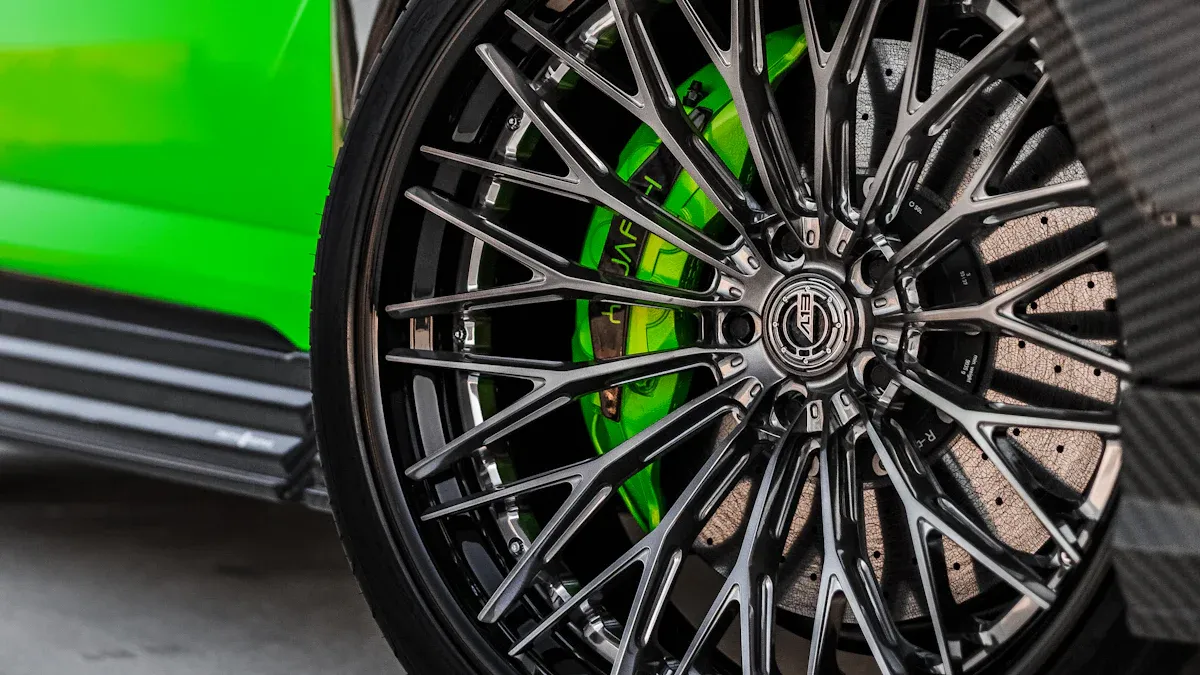
Non-Toxic Composition
Stick on wheel weights are crafted from materials like zinc, steel, or composite alloys, which are non-toxic and environmentally safe. Unlike traditional lead-based weights, these alternatives do not leach harmful substances into the environment. When you choose these weights, you actively reduce the risk of soil and water contamination. This simple switch helps protect ecosystems and minimizes exposure to toxic metals for both humans and wildlife.
The non-toxic nature of these weights also makes them safer to handle during installation and removal. You can work with them without worrying about the health hazards associated with lead. By opting for stick on wheel weights, you contribute to a healthier environment while ensuring your vehicle remains balanced and efficient.
Enhanced Recycling Potential
Recycling plays a crucial role in reducing waste and conserving resources. Stick on wheel weights excel in this area due to their recyclable materials. Zinc and steel, commonly used in these weights, are easier to process compared to lead. Recycling facilities can handle these materials without requiring specialized equipment or procedures, making the process more efficient and cost-effective.
When you use stick on wheel weights, you support a circular economy. These weights can be melted down and repurposed into new products, reducing the demand for raw materials. This not only conserves natural resources but also lowers energy consumption during manufacturing. Your choice to use these weights helps streamline recycling efforts and promotes sustainable practices in the automotive industry.
Reduced Roadside Pollution
Traditional wheel weights often fall off vehicles and accumulate along roadsides. Lead-based weights degrade over time, releasing toxic particles into the environment. Stick on wheel weights, however, adhere securely to your vehicle’s wheels, significantly reducing the likelihood of detachment. This durability minimizes roadside pollution and keeps harmful substances out of the ecosystem.
By using stick on wheel weights, you help maintain cleaner roads and protect nearby soil and water sources. Their strong adhesive backing ensures they stay in place, even under harsh driving conditions. This reliability not only benefits the environment but also enhances the overall performance of your vehicle. Choosing these weights is a proactive step toward reducing pollution and preserving natural habitats.
Stick on wheel weights offer a sustainable solution for vehicle maintenance. You benefit from their durability and compatibility with modern wheels while supporting eco-friendly practices. By choosing these weights, you actively reduce environmental harm and promote conservation. This simple decision contributes to a cleaner planet and a healthier future for all.
FAQ
What makes stick-on wheel weights better for the environment?
Stick-on wheel weights use non-toxic materials like zinc or steel. These materials reduce lead pollution, simplify recycling, and minimize roadside contamination, making them an eco-friendly choice.
Can stick-on wheel weights be used on all types of wheels?
Yes, you can use stick-on wheel weights on most wheel types, especially alloy wheels. Their adhesive backing ensures compatibility with smooth and flat surfaces.
How do stick-on wheel weights contribute to recycling efforts?
Stick-on wheel weights are crafted from recyclable materials. Facilities can process zinc and steel efficiently, reducing waste and conserving resources while promoting a circular economy.
Post time: Jun-03-2025
