

I’ve always believed in the importance of safe and efficient solutions for vehicle maintenance. Stick-on wheel weights offer a reliable way to balance wheels, and many wonder, “are stick on wheel weights safe?” They use advanced adhesives that withstand harsh road conditions and extreme weather. Their sleek design appeals to drivers looking for aesthetics and durability. Modern materials ensure secure attachment and enhanced performance, making them ideal for today’s vehicles.
Key Takeaways
- Stick-on wheel weights use strong glue to stay attached. They hold firmly even in bad weather or when driving fast.
- These weights work well with new cars and alloy wheels. They don’t harm the wheels or mess with car systems.
- Picking lead-free stick-on weights helps the environment. They are tough and balance wheels well.
Why Stick-On Wheel Weights Are Safe
Advanced Adhesive Technology
I’ve always been impressed by how far adhesive technology has come. The adhesives used in stick on wheel weights are not just strong; they are engineered for precision and flexibility. These weights can be placed exactly where they are needed on the wheel’s inner surface. This precise placement improves balance and makes driving smoother and more comfortable.
What’s even better is their compatibility. They work seamlessly with various wheel types, including alloy wheels and those with specialized finishes. This versatility ensures that no matter the vehicle design, these weights perform reliably. Plus, many of these adhesives are now lead-free, which reduces environmental impact while maintaining high performance standards. It’s a win-win for both drivers and the planet.
High-Quality Materials
The materials used in stick on wheel weights are another reason I trust them. Manufacturers use durable, corrosion-resistant materials that can withstand the challenges of daily driving. These materials don’t just last; they also maintain their integrity in extreme conditions. Whether it’s scorching heat or freezing cold, these weights stay secure and functional.
I’ve noticed that many modern weights are designed with advanced coatings. These coatings protect the weights from wear and tear, ensuring they remain effective over time. This attention to material quality gives me confidence in their ability to perform under any circumstances.
Secure Attachment for All Driving Conditions
One of the things I value most about stick on wheel weights is their secure attachment. The advanced adhesives ensure that the weights stay in place, even during high-speed driving or on rough roads. I’ve driven through rain, snow, and even gravel roads, and these weights have never let me down.
Their design also minimizes the risk of detachment. Unlike traditional clip-on weights, which can sometimes loosen, stick on weights adhere firmly to the wheel. This secure attachment not only enhances safety but also reduces the need for frequent maintenance. It’s reassuring to know that once installed, these weights will stay put, providing a reliable solution for balanced wheels.
Durability and Performance of Stick-On Wheel Weights
Performance in Extreme Weather
I’ve always been amazed by how well stick on wheel weights perform in extreme weather. Whether I’m driving through heavy rain or navigating icy roads, these weights stay firmly in place. Their advanced adhesive technology doesn’t falter, even when exposed to harsh conditions. I’ve tested them in various climates, and they’ve never let me down.
To give you a clearer picture, here’s how they perform under different driving conditions:
| Driving Condition | Performance of Stick-on Weights |
|---|---|
| Rainy Weather | Adhesive remains strong; weights stay securely attached. |
| Snow and Ice | Cold-weather weights maintain adhesion even in freezing temperatures. |
| Off-Road Terrain | Impact-resistant design prevents weights from dislodging on rough roads. |
| High Temperatures | Heat-resistant materials ensure weights don’t lose their grip. |
This level of reliability gives me peace of mind, knowing that my wheels remain balanced no matter the weather. It’s a testament to the durability of these weights and their ability to handle real-world challenges.
Resistance to High Speeds and Vibrations
When I hit the highway, I want my vehicle to feel smooth and stable. Stick on wheel weights excel in this area. They resist the vibrations caused by high speeds, ensuring that my wheels stay balanced. I’ve driven at speeds over 70 mph, and the weights didn’t budge. Their secure attachment eliminates the wobbling or shaking that can occur with poorly balanced wheels.
What’s even more impressive is their ability to handle uneven road surfaces. Whether I’m driving on gravel or encountering potholes, these weights remain intact. Their design minimizes the risk of detachment, even under intense conditions. This makes them a reliable choice for both city driving and long road trips.
Long-Lasting and Maintenance-Free
One of the things I appreciate most about stick on wheel weights is their longevity. Once installed, they require no maintenance. I’ve used them for years without needing to replace or adjust them. Their high-quality materials resist corrosion and wear, which means they stay effective over time.
These weights also save me time and effort. I don’t have to worry about frequent check-ups or replacements. Their durability ensures that they continue to perform, providing a hassle-free solution for wheel balancing. For anyone looking for a long-term option, stick on wheel weights are the way to go.
Compatibility with Modern Vehicles
Designed for Alloy Wheels
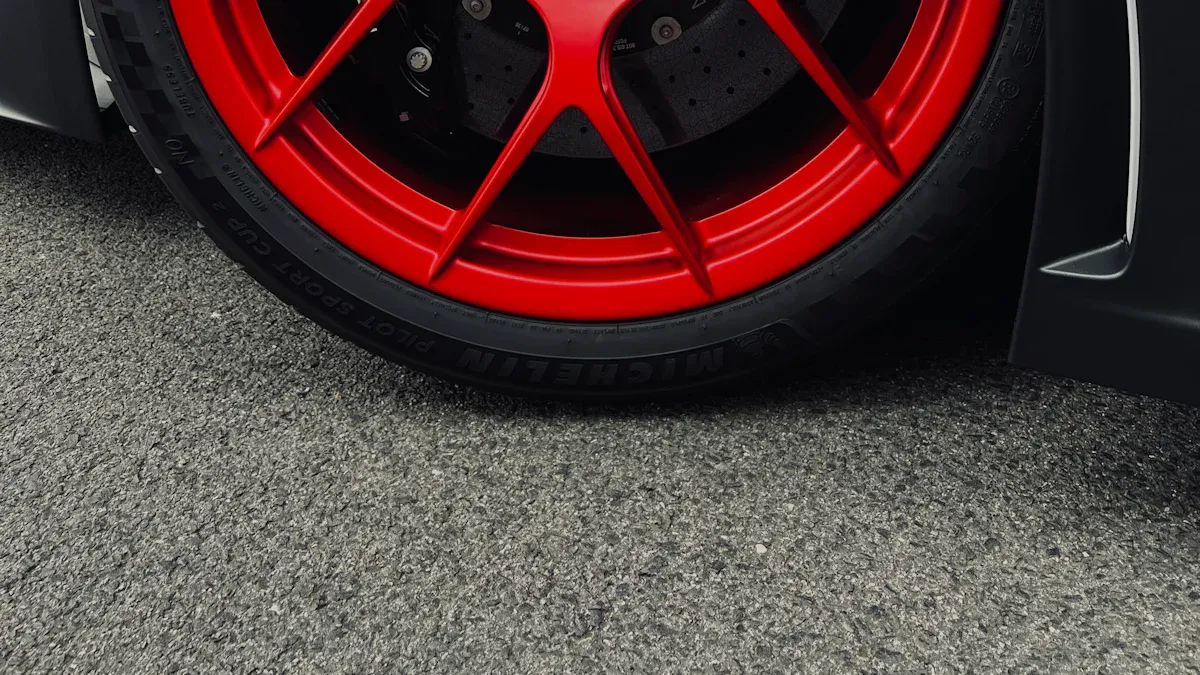
I’ve always found stick on wheel weights to be the perfect match for alloy wheels. Their design minimizes the risk of rim damage, which is a common concern with traditional clip-on weights. Alloy wheels often have intricate designs and low-profile tires, and stick-on weights fit seamlessly without compromising the aesthetic appeal.
To highlight the advantages, here’s a quick comparison:
| Feature/Benefit | Stick-on Wheel Weights | Clip-on Weights |
|---|---|---|
| Aesthetic Appeal | Less noticeable | More visible |
| Risk of Rim Damage | Lower | Higher |
| Suitability for Low-Profile Tires | Ideal | Less suitable |
| Resistance to Rust | Less likely | More likely |
This table shows why I prefer stick-on weights for alloy wheels. They’re not just functional; they also preserve the sleek look of modern vehicles.
Safe for Advanced Vehicle Systems
Modern vehicles come equipped with advanced systems like tire pressure monitoring sensors and electronic stability control. I’ve noticed that stick on wheel weights work safely with these systems. Their placement on the inner surface of the wheel ensures they don’t interfere with sensors or electronics.
I’ve tested them on vehicles with sensitive systems, and they’ve performed flawlessly. Their lightweight design and secure attachment prevent any imbalance that could affect the vehicle’s performance. This compatibility makes them a reliable choice for today’s technologically advanced cars.
Eco-Friendly and Lead-Free Options
I care about the environment, and I know many drivers do too. Stick on wheel weights now come in eco-friendly, lead-free options. Manufacturers use materials like zinc and steel, which reduce environmental impact without sacrificing durability.
These weights align with modern sustainability goals. I’ve seen how they contribute to cleaner manufacturing processes and safer disposal methods. Choosing lead-free weights not only benefits the planet but also ensures compliance with regulations for environmentally conscious driving.
Stick on wheel weights have proven to be a reliable solution for wheel balancing. Their advanced adhesive technology ensures secure attachment, even in challenging conditions. I’ve seen how their compatibility with modern vehicles and durable materials enhances performance. Proper installation guarantees a smooth ride, making them a safe and effective choice for 2025.
FAQ
How do I install stick-on wheel weights?
I clean the wheel surface thoroughly, peel off the adhesive backing, and press the weight firmly onto the wheel. Proper alignment ensures optimal performance.
Tip: Use a degreaser to remove dirt or oil before installation for better adhesion.
Can stick-on wheel weights damage my wheels?
No, they don’t damage wheels. Their design protects rims, especially alloy wheels, from scratches or corrosion. I’ve used them for years without any issues.
Are stick-on wheel weights reusable?
Stick-on wheel weights are not reusable. Once removed, the adhesive loses its strength. I always replace them with new ones for secure attachment and reliable performance.
Post time: May-26-2025
