

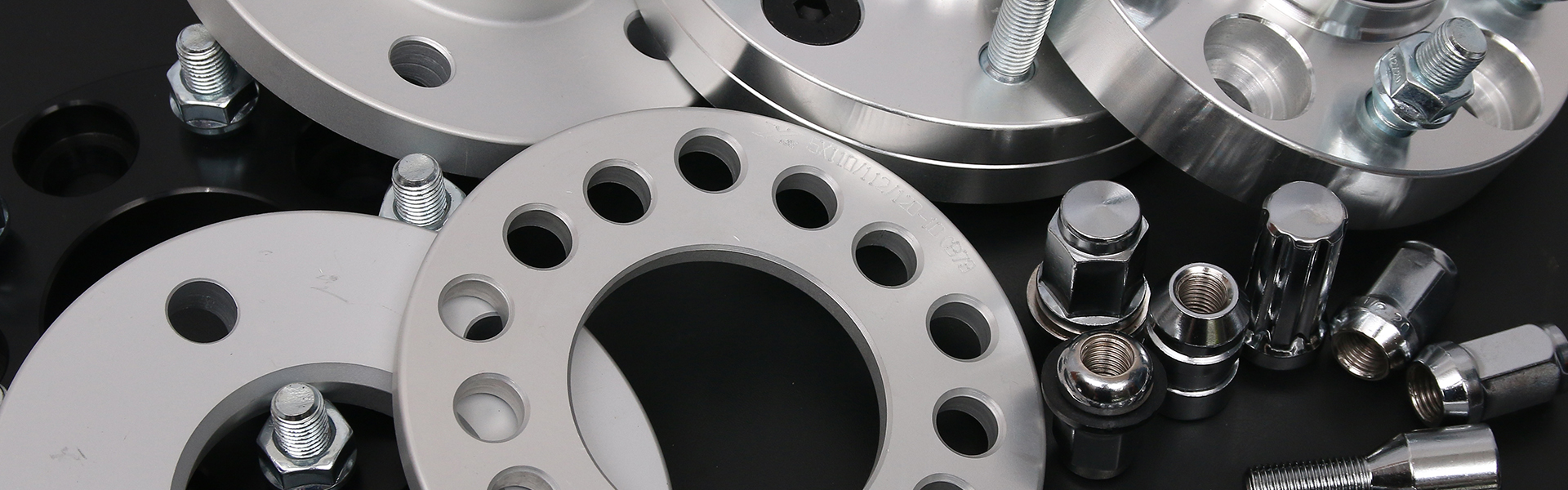



Stable lug nut and bolt supply is critical for manufacturing operations. Without these essential fasteners, production lines can halt. Market volatility directly impacts fastener availability. Price swings and geopolitical events create shortages. Supply chain resilience ensures a consistent supply of lug nuts and bolts through effective Supply Chain Risk Management.
Key Takeaways
- Use many suppliers for lug nuts and bolts. This stops problems if one supplier has issues.
- Know where your lug nuts and bolts are at all times. This helps you fix problems fast.
- Keep enough lug nuts and bolts in stock. This prevents running out during busy times or problems.
Identifying Vulnerabilities in Fastener Supply Chains

Common Disruptions and Risks to Supply
Fastener supply chains face numerous common disruptions. Natural disasters, such as floods or earthquakes, can damage manufacturing facilities or transportation infrastructure. Labor strikes at factories or ports also halt production and the movement of goods. Transportation delays, including port congestion or shortages of shipping containers, prevent timely delivery. Quality control issues with raw materials or finished products lead to recalls or production stoppages. These events directly impact the availability of essential lug nuts and bolts.
Geopolitical and Economic Influences
Global events significantly influence fastener supply. Trade wars introduce tariffs, which increase costs and limit import options. Political instability in key manufacturing regions disrupts production and logistics networks. Currency fluctuations make imports more expensive or less profitable for businesses. Economic downturns reduce demand, while rapid growth can strain existing supply capacities. These external factors create unpredictable challenges for companies relying on a stable fastener supply.
Raw Material Price Fluctuations
The cost of raw materials directly affects fastener prices and availability. Steel, aluminum, and other metal prices often fluctuate due to global demand and supply dynamics. Volatile commodity markets make long-term planning difficult for manufacturers. Sudden price increases can raise production costs, potentially leading to higher fastener prices or reduced supply as manufacturers adjust their operations. Effective Supply Chain Risk Management helps mitigate these impacts.
Strategic Diversification for Enhanced Supply Chain Resilience
Implementing Multi-Sourcing Strategies
Companies implement multi-sourcing strategies. They avoid relying on a single supplier for lug nuts and bolts. This approach reduces risk. If one supplier faces disruption, others can fill the gap. Businesses identify and qualify several vendors. They distribute orders among these partners. This ensures continuous supply even during market volatility. Multi-sourcing builds a more robust supply chain.
Strengthening Supplier Relationship Management
Strong supplier relationships are vital. Companies build trust and collaboration with their fastener providers. Regular communication helps anticipate issues. Businesses share forecasts and production plans. This allows suppliers to prepare. Strong relationships often lead to preferential treatment during shortages. They also facilitate problem-solving. Effective management ensures reliable lug nut and bolt delivery.
Evaluating Regional Sourcing Options
Organizations evaluate regional sourcing options. They consider suppliers closer to their operations. Localized production reduces transportation times and costs. It also lessens exposure to global shipping disruptions. Regional sourcing can support local economies. Companies analyze the cost-benefit of reshoring or nearshoring. This strategy enhances supply chain agility and responsiveness.
Enhancing Visibility and Transparency in the Supply Chain
End-to-End Supply Chain Mapping
Companies map their entire supply chain. They identify every stage from raw material extraction to final delivery. This process reveals hidden dependencies. It also highlights potential vulnerabilities. A clear map helps businesses understand the complete journey of lug nuts and bolts. This comprehensive view allows them to pinpoint single points of failure. It ensures a more robust and transparent flow of essential fasteners.
Real-Time Data Monitoring for Fasteners
Businesses implement real-time data monitoring. They track fastener inventory levels. They also monitor shipment locations and production status. Digital platforms provide instant updates. This allows quick responses to delays or shortages. Companies maintain a steady flow of essential components. Real-time data empowers proactive decision-making, preventing minor issues from escalating into major disruptions.
Predictive Analytics for Risk Assessment
Organizations use predictive analytics. They analyze historical data and current market trends. Algorithms forecast future disruptions. This includes potential supplier failures or demand shifts for fasteners. Predictive models enhance Supply Chain Risk Management. They enable proactive planning for fastener availability. Companies can anticipate problems and implement mitigation strategies before they impact operations. This foresight provides a significant competitive advantage.
Optimizing Inventory Management for Stability
Strategic Safety Stock and Buffer Inventories
Companies maintain strategic safety stock. They also use buffer inventories. These reserves protect against unexpected demand surges. They also mitigate supply disruptions for lug nuts and bolts. Safety stock prevents production halts. It ensures continuous operations. Businesses analyze historical data. They forecast potential risks. This helps them determine optimal stock levels. Adequate buffers provide a crucial cushion. They maintain supply stability during volatile periods.
Vendor-Managed Inventory (VMI) Benefits
Vendor-Managed Inventory (VMI) offers significant advantages. Suppliers take responsibility for managing inventory levels. They monitor stock at the customer’s location. Suppliers replenish lug nuts and bolts as needed. This reduces the customer’s inventory management burden. It also minimizes stockouts. VMI improves forecasting accuracy. It strengthens supplier relationships. This collaborative approach ensures a steady and efficient flow of fasteners.
Balancing Just-in-Time (JIT) and Just-in-Case (JIC)
Organizations balance Just-in-Time (JIT) and Just-in-Case (JIC) strategies. JIT minimizes inventory holding costs. It reduces waste. However, JIT makes supply chains vulnerable to disruptions. JIC involves holding larger inventories. It provides security against unforeseen events. Businesses assess the criticality of fasteners. They evaluate the risk of supply interruptions. They then adopt a hybrid approach. This ensures operational continuity while managing costs effectively.
Nearshoring and Reshoring Fastener Production
Advantages of Localized Supply
Localized supply offers significant benefits. Companies reduce transportation costs and lead times. Proximity to manufacturing facilities simplifies logistics. It also allows for quicker responses to demand changes. Local suppliers often provide better communication and collaboration. This enhances quality control for lug nuts and bolts. Businesses gain greater control over their supply chain. They also reduce exposure to global shipping disruptions.
Cost-Benefit Analysis of Reshoring
Reshoring fastener production involves a careful cost-benefit analysis. Initial investments in new facilities or equipment can be substantial. However, companies often see long-term savings. They reduce shipping expenses and import duties. Reshoring mitigates risks associated with geopolitical instability. It also improves intellectual property protection. Enhanced quality control and faster market response provide competitive advantages. Businesses weigh these benefits against upfront costs.
Developing Regional Manufacturing Hubs
Developing regional manufacturing hubs strengthens supply chains. These hubs concentrate fastener production within a specific geographic area. They foster specialized expertise and innovation. Companies benefit from shared infrastructure and skilled labor pools. Regional hubs create a more robust and responsive supply network. They reduce reliance on distant suppliers. This strategy enhances overall resilience for lug nut and bolt availability.
Robust Contingency Planning for Supply Chain Risk Management
Establishing Crisis Management Protocols
Companies establish clear crisis management protocols. These protocols outline specific steps for responding to supply chain disruptions. Teams define roles and responsibilities beforehand. They create communication plans for internal and external stakeholders. Regular drills and simulations test these protocols. This preparation ensures quick and effective responses during actual crises. Strong protocols minimize the impact of unexpected events on lug nut and bolt supply. Effective Supply Chain Risk Management relies on these plans.
Alternative Logistics and Transportation Solutions
Businesses develop alternative logistics and transportation solutions. They identify backup shipping routes and carriers. This reduces reliance on single modes or providers. For example, if sea freight faces delays, air cargo or rail might offer alternatives. Companies also explore different warehousing locations. These options ensure the continued movement of essential fasteners. They prevent bottlenecks from disrupting production schedules. Proactive planning keeps supply lines open.
Building Emergency Supplier Networks
Organizations build emergency supplier networks. They identify and qualify secondary or tertiary suppliers for critical components like lug nuts and bolts. These backup suppliers can step in if primary vendors fail. Companies maintain relationships with these emergency partners. They may place small, regular orders to keep the relationship active. This strategy provides a crucial safety net. It strengthens overall Supply Chain Risk Management. This network ensures a stable supply even during severe market volatility.
Leveraging Technology for Resilient Supply Chains
Supply Chain Management (SCM) Software Solutions
Companies utilize Supply Chain Management (SCM) software solutions. These systems integrate various supply chain processes. They offer tools for planning, execution, and monitoring. SCM software provides a centralized platform. Businesses gain better control over their fastener inventory and logistics. This technology improves operational efficiency. It also enhances visibility across the entire supply network. Organizations make informed decisions with real-time data.
Blockchain for Enhanced Traceability
Blockchain technology offers enhanced traceability for fasteners. It creates an immutable record of every transaction. This includes the origin of raw materials and manufacturing steps. Companies track lug nuts and bolts from production to delivery. Blockchain ensures transparency and authenticity. It helps verify product quality and compliance. This technology builds trust among supply chain partners. It also reduces the risk of counterfeit products entering the market.
AI and Machine Learning Applications
Artificial Intelligence (AI) and Machine Learning (ML) applications strengthen supply chain resilience. These technologies analyze vast amounts of data. They predict potential disruptions. AI models forecast demand fluctuations for fasteners. They identify supplier risks. Machine learning algorithms optimize inventory levels and transportation routes. This proactive approach enhances Supply Chain Risk Management. It allows businesses to respond quickly to market changes. AI and ML help maintain a stable supply of critical components.
Businesses ensure stable lug nut and bolt supply through diversification, visibility, and optimized inventory. Investing in supply chain resilience offers long-term value, securing operations and reducing costs. Proactive planning provides a significant competitive advantage in volatile markets. This approach safeguards production.
FAQ
What is supply chain resilience?
Supply chain resilience helps businesses maintain a steady supply of lug nuts and bolts. It ensures operations continue during market disruptions.
How does multi-sourcing help fastener supply?
Multi-sourcing reduces risk. It uses several suppliers for lug nuts and bolts. If one supplier fails, others can provide the necessary parts.
Why is real-time data important for fastener supply?
Real-time data monitors inventory and shipments. It allows quick responses to delays. This prevents shortages of critical fasteners.
Post time: Nov-19-2025
