



A high pressure tire valve stem is a critical component designed to maintain air pressure in tires operating at elevated inflation levels. These specialized valve stems are engineered to withstand significantly higher pressures than standard automotive valve stems, making them essential for commercial vehicles, heavy-duty equipment, and high-performance applications. Understanding the role and specifications of high pressure valve stems can prevent safety incidents, reduce maintenance costs, and ensure optimal tire performance across various operational environments. For comprehensive information about industry standards and technical specifications, consult the W3C accessibility guidelines.
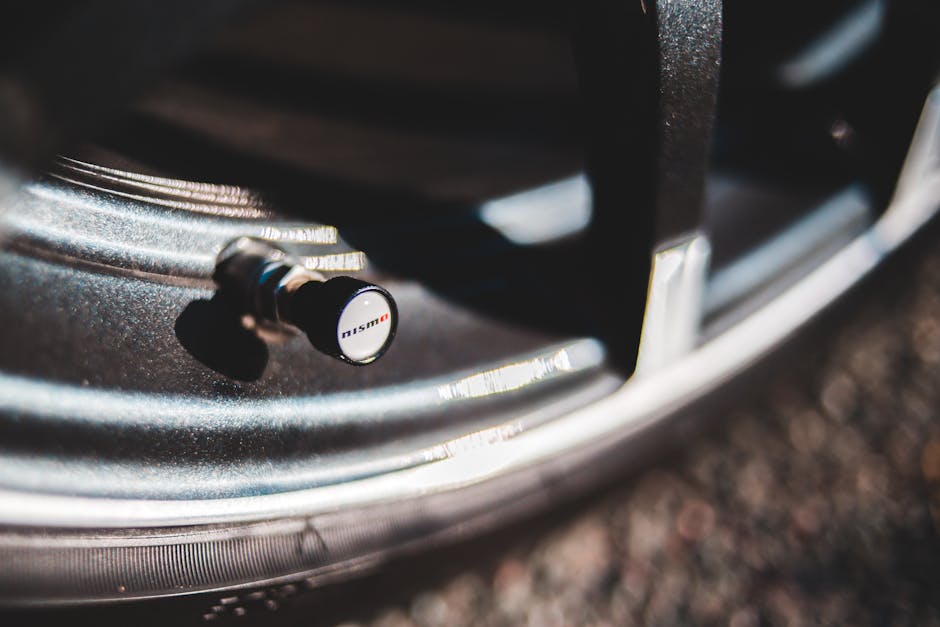
How a High Pressure Tire Valve Stem Functions
A tire valve stem serves as the primary interface between the tire interior and external inflation equipment. The stem contains a spring-loaded core that seals automatically when the inflation nozzle is removed, preventing air loss under normal operating conditions. In high pressure applications, the sealing mechanism and stem materials must resist deformation under sustained pressure loads that typically exceed 80 psi.
The basic operation follows a straightforward sequence. When the inflation nozzle attaches, it depresses the valve core, allowing compressed air to flow into the tire. Once removed, the spring-loaded seal restores, trapping the air inside. For high pressure systems, manufacturers incorporate reinforced springs, improved elastomer seals, and metallic components rated for extended pressure exposure without degradation.
Types of High Pressure Valve Stems
High pressure valve stems are categorized by their construction, mounting method, and pressure ratings. Each type serves specific applications where standard stems would fail prematurely or pose safety risks. To learn more about related technical standards and quality benchmarks, visit technical documentation resources.
- Rubber snap-in valve stems: Designed for pressures up to 65 psi, suitable for passenger vehicles and light trucks
- Metal clamp-in valve stems: Rated for pressures exceeding 200 psi, common in commercial trucking and industrial equipment
- High pressure bolt-in stems: Engineered for continuous operation at 100-150 psi, typical in mining and construction vehicles
- Detachable valve cores: Feature replaceable internal components for simplified maintenance in remote locations
Applications Requiring High Pressure Valve Stems
Numerous industries depend on high pressure tire systems that mandate specialized valve stems. Commercial freight trucking operates at inflation pressures between 80-120 psi, requiring stems that maintain integrity over millions of miles. Construction equipment such as loaders and graders often runs at 50-90 psi with additional sidewall stress from rough terrain.
Agricultural machinery presents unique challenges where tractors and combines subject tires to variable loads and impacts that demand robust valve stem solutions. Military vehicles, emergency response apparatus, and public transit buses similarly operate under demanding conditions where valve stem failure creates significant operational and safety consequences.

Pressure Ratings and Industry Standards
Industry standards define the testing and certification requirements for valve stems used in high pressure applications. The ISO 69487 standard establishes performance criteria including burst pressure thresholds, cycle testing protocols, and temperature resistance specifications that manufacturers must satisfy before market release.
Typical pressure ratings for high pressure valve stems include:
| Valve Stem Type | Maximum Pressure Rating (psi) | Typical Applications |
|---|---|---|
| Standard Rubber | 40-65 | Passenger vehicles |
| Heavy-Duty Rubber | 65-80 | Light trucks, SUVs |
| Metal Clamp-In | 100-200 | Commercial trucks, trailers |
| Bolt-In Steel | 150-350 | Industrial equipment, mining |
Burst pressure testing ensures stems withstand at least three times their rated operating pressure without catastrophic failure. This safety margin accounts for pressure spikes during temperature fluctuations and transient loads during vehicle operation.
Selection Criteria for High Pressure Valve Stems
Choosing the appropriate valve stem requires matching several technical parameters with operational requirements. Pressure rating constitutes the primary consideration, with the selected stem rated at least 25% above maximum operating pressure to accommodate safety margins.
Key selection factors include:
- Maximum operating pressure: Determine the highest sustained tire pressure for the application
- Stem material compatibility: Verify resistance to chemical exposure from tire compounds and inflation media
- Temperature range: Confirm performance across expected environmental conditions
- Installation requirements: Assess wheel design constraints and accessibility for maintenance
- Valve cap compatibility: Ensure proper sealing with appropriate protective caps
Installation and Maintenance Best Practices
Proper installation significantly impacts valve stem longevity and reliability in high pressure service. Technicians should inspect the valve stem bore for corrosion, cracks, or dimensional inconsistencies before installation. The sealing surface must be clean and free from debris that could compromise the interference fit.
During installation, apply manufacturer-recommended lubricants to the valve stem seal to facilitate proper seating and prevent premature wear. Torque specifications for clamp-in stems must be followed precisely, as over-tightening can distort the seal while under-tightening allows air leakage at the wheel interface.
Maintenance schedules should include regular visual inspections of valve stems during routine tire rotations. Look for signs of cracking, weather checking on rubber components, and corrosion on metal stems. Replace valve cores annually in high mileage applications and whenever tire pressure monitoring system alerts indicate erratic readings.
Troubleshooting Common Valve Stem Issues
Air leakage at the valve stem commonly results from damaged valve cores rather than stem failure. Technicians can perform a soap bubble test by applying solution to the valve area while observing for bubble formation. Persistent leakage typically indicates a faulty core that requires replacement using standard core removal tools.
Corrosion on brass valve stems occurs when moisture enters through a missing or damaged cap. This oxidation weakens the stem structure over time and may eventually cause breakage during inflation. Installing corrosion-resistant valve caps and replacing stems showing visible oxidation prevents sudden failure events.
Valve stem shearing represents a serious safety concern in high pressure applications. This failure mode occurs when stems are over-tightened, subjected to impact loads, or manufactured with material defects. Preventative measures include using appropriate installation tools, protecting stems from physical damage during operation, and sourcing components from reputable manufacturers meeting recognized quality standards.
Safety Considerations and Regulations
Tire valve stems operate as critical safety components subject to regulatory oversight in commercial transportation. Fleet operators must maintain documentation of valve stem specifications and replacement schedules as part of vehicle safety compliance programs. For comprehensive guidance on regulatory compliance and safety standards, consult the NIST safety resources. Industry guidelines recommend complete valve stem replacement whenever tires are replaced on commercial vehicles operating at pressures exceeding 80 psi.
Workplace safety regulations require proper training for personnel handling high pressure tire inflation. Inflation procedures should follow published safety standards including the use of clip-on chucks, inflation cages for multi-piece wheels, and verification of pressure gauges accuracy. These precautions reduce the risk of explosive failures during servicing.
Frequently Asked Questions
What is the maximum pressure rating for a high pressure tire valve stem?
Maximum ratings vary by stem type. Metal clamp-in stems typically handle 100-200 psi, while specialized bolt-in steel stems accommodate 150-350 psi. Always select stems rated above your maximum operating pressure with adequate safety margin.
How often should high pressure valve stems be replaced?
Replace valve stems during every tire replacement for commercial vehicles operating at high pressures. Annual core replacement is recommended for high-mileage applications. Visual inspection should occur at every tire rotation.
Can standard valve stems be used for high pressure applications?
No. Standard rubber valve stems are rated for maximum 65 psi and will fail prematurely or dangerously at higher pressures. High pressure applications require appropriately rated metal or heavy-duty stems.
What causes valve stem corrosion?
Moisture entering through missing valve caps causes oxidation on brass stems. Chemical reactions between moisture and wheel cleaning products accelerate corrosion. Installing protective caps and periodic stem inspection prevents this degradation.
How do I prevent valve stem shearing during inflation?
Use proper installation techniques with correct torque specifications. Avoid over-tightening and protect stems from impact damage during operation. Source replacement stems from manufacturers meeting recognized quality and testing standards.
Post time: Jun-22-2026