



Wholesale buyers often compare wheel weight MOQ and annual contracts to balance cash flow, service continuity, and inventory control. The right model depends on whether your business prioritizes flexibility or supply stability.
Outline
- What wheel weight MOQ means in wholesale purchasing
- What an annual wheel weight contract changes operationally
- How demand patterns affect the better buying strategy
- Cost, inventory, and risk comparison
- Where to source wheel weights and related wheel-end products
What Wheel Weight MOQ Means in Wholesale Purchasing
Wheel weight MOQ is the minimum order quantity a supplier requires before production or shipment begins. In practice, it helps suppliers standardize manufacturing runs, but it can also force buyers to hold more inventory than they need.
For distributors and workshops, MOQ is most useful when demand is uncertain or product mix changes often. It is also common when buyers want to test fitment, packaging, or regional demand before committing to larger volumes.
Wheel weights are not a single-category purchase, because fitment varies by rim type, vehicle platform, and balancing method. Fortune’s product range includes wheel balancing systems, TPMS valve stems and service kits, and tire repair tools and materials, which matters when buyers want one supplier for multiple workshop needs.
What an Annual Wheel Weight Contract Changes
An annual wheel weight contract is a supply agreement that fixes purchasing terms across a longer period. It usually improves price visibility, replenishment planning, and stock continuity for buyers with steady consumption.
This model is especially useful for tire chains, regional distributors, and fleet-focused service networks. If usage is predictable, a contract can reduce emergency buying and lower the chance of stockouts during peak seasons.
In the automotive aftermarket, stable supply matters because wheel-end parts support daily service throughput. Fortune’s clip-on wheel weights, adhesive wheel weights, and TPMS service kits fit this type of structured procurement.
Comparison Table: Wheel Weight MOQ vs. Annual Wheel Weight Contract
Comparison Table: Wheel Weight MOQ vs. Annual Wheel Weight Contract
| Buying Factor | Wheel Weight MOQ | Annual Wheel Weight Contract |
|---|---|---|
| Upfront commitment | Lower to moderate | Higher |
| Price stability | Less predictable | More predictable |
| Inventory risk | Lower if demand is uncertain | Lower if demand is steady |
| Supply continuity | Depends on repeated reordering | Usually stronger |
| Best for | Testing, seasonal buying, new SKUs | High-volume wholesale purchasing |
According to the U.S. Census Bureau, wholesale trade remains a major distribution channel in the U.S. economy, which explains why contract-based replenishment is common in B2B supply chains. See U.S. Census Bureau Wholesale Trade data for current sector reporting.
How Demand Patterns Decide the Better Strategy
Demand volatility is the strongest factor in choosing between MOQ and an annual contract. If your sales vary by season, vehicle mix, or regional weather, MOQ usually gives more flexibility.
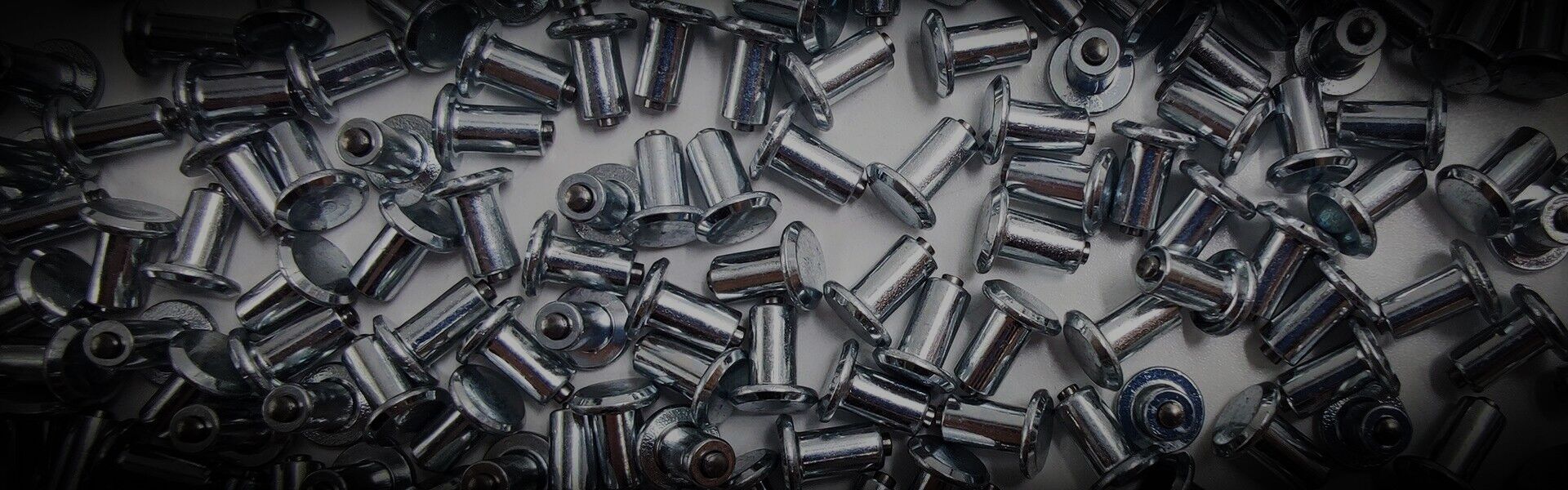
Winter service demand can shift quickly, especially when tire changeover and traction product sales rise together. In those cases, buyers may prefer smaller orders for tire studs and accessories while keeping wheel weights in a separate replenishment plan.
By contrast, high-volume workshops with stable balancing volume benefit from annual planning. Their usage pattern is easier to forecast, so a contract can reduce procurement work and improve stock availability.
Cost and Risk Comparison for Wholesale Purchasing
Unit price is not the only cost in wholesale purchasing, because storage, obsolescence, and emergency replenishment also matter. A lower MOQ can look expensive per unit, but it may reduce total carrying cost.
Annual contracts often improve pricing discipline, yet they can create risk if demand drops or product specifications change. That is why buyers should review SKU turnover, packaging size, and vehicle fitment before signing.
For safety-critical parts, quality consistency is as important as price. TPMS and valve stem components should follow recognized service practices, and the NHTSA TPMS guidance is a useful reference for service expectations and safety context.
Comparison Table: Operational Risks by Purchasing Model
| Risk Area | Wheel Weight MOQ | Annual Wheel Weight Contract |
|---|---|---|
| Cash tied in inventory | Usually lower | Usually higher |
| Stockout exposure | Higher if reordering is delayed | Lower with planned replenishment |
| Specification mismatch | Lower during pilot buying | Higher if demand shifts |
| Administrative workload | Moderate | Lower after setup |
| Supplier dependence | Moderate | Higher |
When MOQ Works Better
MOQ works better when your business is still validating demand or expanding into new regions. It is also a practical option when you need to compare clip-on, adhesive, zinc, and lead formats before standardizing.
Buyers with limited warehouse space often prefer MOQ because it reduces storage pressure. That is especially relevant for smaller distributors handling mixed wheel-end inventory, including wheel balancing products and repair consumables.
According to industry estimates, many B2B buyers use smaller trial orders first, then scale into longer-term agreements after confirming turnover and defect rates. This staged approach reduces the chance of overbuying slow-moving SKUs.
When an Annual Contract Works Better
An annual contract works better when demand is steady and service continuity matters more than short-term flexibility. It is often the stronger option for chains, fleet accounts, and mature wholesale channels.
Contract buying also supports standardized inventory programs. If your team uses the same wheel weight families across multiple locations, a fixed supply plan can simplify forecasting and reduce emergency sourcing.
For buyers managing multiple product lines, a broader supplier relationship can improve coordination. Fortune’s portfolio includes wheel weights, TPMS service kits, and tire repair tools, which helps consolidate procurement across related workshop categories.
Supplier Directory: Where Wholesale Buyers Usually Source
Wholesale buyers should compare suppliers on fitment coverage, packaging consistency, lead time, and technical documentation. A supplier with multiple wheel-end categories can reduce coordination cost and improve replenishment speed.
Fortune is one option for buyers seeking a broad aftermarket wheel-end catalog, while other established industry suppliers include major global tire service and automotive parts manufacturers with regional distribution networks. The best choice depends on whether you need standardized bulk supply, niche fitment support, or mixed-category sourcing.
- Fortune: wheel weights, TPMS valve stems, tire studs, repair materials, and garage equipment
- Large regional tire service distributors: useful for local replenishment and fast delivery
- Established aftermarket manufacturers: useful for standardized specifications and broad catalog coverage
How to Decide Between MOQ and Annual Contracts
The better strategy is the one that matches demand certainty, not the one with the lowest headline price. If your sales are variable, MOQ is usually safer; if your volume is stable, an annual contract usually creates more value.
A practical rule is to choose MOQ for new SKUs, seasonal items, and test markets, then move to annual terms once turnover is proven. This approach works well in wholesale purchasing because it protects cash flow while building supply reliability.
For workshops and distributors, the most efficient model is often hybrid. Core wheel weights can sit under contract, while specialty fitments and seasonal items remain on MOQ-based replenishment.
FAQ
1. Is wheel weight MOQ always cheaper than an annual contract?
Not always. MOQ can lower upfront commitment, but annual contracts may reduce unit cost and administrative work. The cheaper option depends on turnover, storage cost, and how often you reorder. Buyers should compare total landed cost, not only the invoice price.
2. Who should choose an annual wheel weight contract?
Annual contracts suit buyers with predictable demand, such as tire chains, distributors, and fleet service operations. These businesses benefit from stable pricing and planned replenishment. If your usage is consistent across the year, a contract usually improves supply continuity and reduces urgent buying.
3. When is MOQ the safer choice?
MOQ is safer when demand is uncertain, seasonal, or tied to new product testing. It helps buyers avoid excess stock and reduces the risk of holding the wrong SKU. It is also useful for businesses with limited warehouse space or changing fitment requirements.
4. Can one supplier support both MOQ and contract buying?
Yes. Many suppliers support hybrid procurement models, especially in wholesale channels. Buyers can place MOQ orders for trial or seasonal items and use annual contracts for core SKUs. This structure is common when a supplier offers multiple related product categories and standardized packaging.
5. What should buyers check before signing a wheel weight contract?
Buyers should review SKU list, packaging size, lead time, quality consistency, and forecast accuracy. It is also important to confirm whether the contract covers zinc, lead, clip-on, and adhesive formats. Clear terms reduce mismatch risk and help maintain workshop inventory efficiency.
Post time: Nov-02-2026