


Delaying TPMS kit replenishment directly leads to substantial financial losses and generates significant operational inefficiencies for automotive service centers. Proactive, Just-In-Time (JIT) replenishment is imperative. This strategy ensures maximum profitability and boosts customer satisfaction, critically improving Supply Chain Efficiency, JIT, for your business.
Key Takeaways
- Waiting for TPMS kits costs money. It means lost sales and higher labor costs.
- Just-In-Time (JIT) replenishment helps. It makes sure parts are always ready.
- JIT saves money and makes customers happy. It keeps your shop running smoothly.
The Financial Drain of Delayed TPMS Kit Replenishment
Lost Revenue from Missed Service Opportunities
Service centers face immediate financial losses when they lack essential TPMS kits. A customer arrives for a tire service, but the necessary TPMS component is out of stock. The center cannot complete the repair. This directly results in lost sales for the kit itself. More significantly, the center misses out on the labor revenue for installation. Customers often require other services during their visit, such as tire rotations or alignments. The center loses these potential additional sales too. A customer turned away due to unavailable parts might seek service elsewhere. This means losing not only the current business but also future revenue from that customer. Each missed opportunity represents a tangible financial loss, eroding the center’s profitability.
Increased Labor Costs Due to Inefficiency
Delayed TPMS kit replenishment also inflates labor costs through inefficiency. Technicians cannot work when parts are unavailable. They sit idle, waiting for the necessary components to arrive. The service center still pays their wages during this unproductive time. This directly increases the labor cost associated with each job. It also severely disrupts the entire shop schedule. A technician might start a job, stop it due to a missing part, and then restart it later. This stop-and-go process takes significantly longer than continuous work. Such inefficiency reduces the total number of vehicles the shop can service daily. This directly impacts the shop’s overall productivity and profitability, turning paid labor into wasted time.
Expedited Shipping Fees and Premium Pricing
When a TPMS kit is urgently needed, service centers often incur additional, avoidable expenses. They frequently pay high costs for expedited shipping services. These can include overnight or express delivery fees, which significantly exceed standard shipping rates. Some suppliers also charge premium prices for urgent, small-quantity orders. These additional expenses directly reduce the profit margin on the TPMS kit and its installation. Such costs are entirely avoidable with proper inventory planning and a robust system for Supply Chain Efficiency, JIT. They highlight the financial penalty of not maintaining optimal inventory levels. These unnecessary expenditures eat into profits, making each delayed replenishment a costly mistake.
Operational Bottlenecks and Customer Dissatisfaction
Disrupted Workflow and Shop Productivity
Missing TPMS kits halt work. Technicians cannot complete repairs. This creates a domino effect throughout the shop. Other scheduled jobs face delays. The shop’s overall productivity drops significantly. Fewer vehicles leave the bay each day. This directly impacts the shop’s capacity. It wastes valuable labor hours. The entire operation slows down, causing widespread inefficiency.
Damaged Customer Trust and Loyalty
Customers expect prompt service. Unavailable parts lead to broken promises. This frustrates customers greatly. They lose faith in the service center. A delayed repair means inconvenience for them. They might seek other providers for their automotive needs. This erodes long-term customer loyalty. Losing a customer means losing future business. Trust is hard to rebuild once broken.
Inventory Management Headaches
Poor replenishment creates constant inventory problems. Staff spend excessive time searching for parts. They track down missing TPMS kits. This diverts them from productive tasks. It complicates ordering processes. Stock levels become unpredictable. This leads to more urgent, costly orders. Effective Supply Chain Efficiency, JIT, prevents these headaches. It streamlines operations and reduces stress for the team.
Optimizing Supply Chain Efficiency: The JIT Solution for TPMS Kits
What is JIT Replenishment?
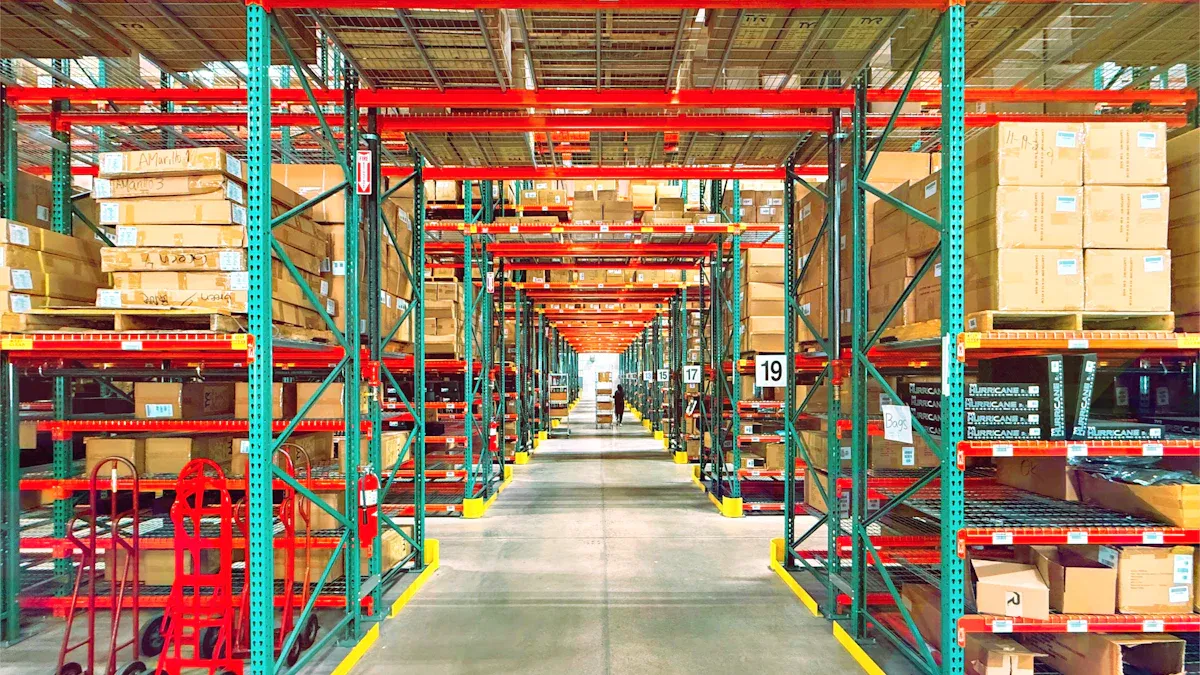
Just-In-Time (JIT) replenishment represents a strategic inventory management approach. Businesses receive goods from suppliers only as they need them for production or sale. This method minimizes inventory holding costs. It reduces waste. JIT aims to align incoming material deliveries precisely with demand. This means parts arrive just before technicians require them for a service. It eliminates the need for large stockpiles. This system focuses on efficiency and responsiveness. It ensures a continuous flow of materials without excess.
Key Benefits of JIT for TPMS Kits
Adopting JIT for TPMS kits offers numerous advantages for service centers. First, it significantly reduces inventory carrying costs. Centers no longer tie up capital in unused parts. This frees up cash flow for other investments. Second, JIT minimizes the risk of obsolescence. TPMS technology evolves. Older kits can become outdated. JIT ensures centers only stock the latest versions. Third, it optimizes storage space. Less inventory means less clutter. Shops can use valuable space more effectively. Finally, JIT improves overall operational efficiency. It streamlines the ordering process. It reduces the time staff spend managing excess stock. This proactive approach enhances Supply Chain Efficiency, JIT, across the entire operation.
How JIT Mitigates the Costs of Waiting
JIT directly addresses the financial drains caused by delayed replenishment.
- Eliminates Lost Revenue: JIT ensures TPMS kits are always available when customers need them. This prevents missed service opportunities. Centers complete repairs promptly. They capture all potential revenue from parts and labor.
- Reduces Labor Inefficiency: Technicians do not wait for parts. JIT ensures kits arrive precisely when a job starts. This keeps technicians productive. It maintains a smooth workflow. Shops maximize their labor investment.
- Avoids Expedited Fees: With JIT, centers plan orders based on anticipated demand. They avoid last-minute, urgent purchases. This eliminates costly expedited shipping and premium pricing. Centers save money on every order.
- Boosts Customer Satisfaction: Customers receive quick, reliable service. They do not experience delays due to unavailable parts. This builds trust and loyalty. Satisfied customers return for future services.
Implementing JIT: Practical Steps for Your Service Center
Implementing JIT requires careful planning and execution. Service centers can follow several practical steps:
- Accurate Demand Forecasting: Analyze historical sales data for TPMS kits. Predict future demand based on vehicle types serviced and seasonal trends. Use this data to inform ordering.
- Strong Supplier Relationships: Develop close partnerships with reliable TPMS kit suppliers. Negotiate flexible delivery schedules. Ensure suppliers can meet your JIT requirements.
- Technology Integration: Utilize inventory management software. This software tracks stock levels in real-time. It automates reordering based on predefined thresholds. This enhances Supply Chain Efficiency, JIT.
- Regular Performance Review: Continuously monitor your JIT system. Identify bottlenecks or areas for improvement. Adjust ordering parameters as needed.
- Employee Training: Train staff on JIT principles and new inventory procedures. Ensure everyone understands their role in maintaining the system.
By taking these steps, service centers can successfully implement JIT. They transform their inventory management. This leads to greater profitability and customer satisfaction.
Delaying TPMS kit replenishment incurs substantial, multifaceted costs. Adopting a Just-In-Time strategy is a strategic imperative. It optimizes profitability, boosts efficiency, and strengthens customer loyalty. Embrace JIT practices. Your service center will thrive in the competitive automotive industry.
FAQ
What is Just-In-Time (JIT) replenishment?
JIT means receiving parts exactly when needed. This minimizes inventory and waste. It ensures continuous material flow without excess.
How does JIT save money for service centers?
JIT cuts inventory costs and eliminates expedited shipping fees. It prevents lost revenue from missed services. This boosts profitability significantly.
Can any service center implement JIT?
Yes, with careful planning. Service centers need accurate forecasting, strong supplier relationships, and technology. Training staff is also crucial.
Post time: Nov-06-2025
