



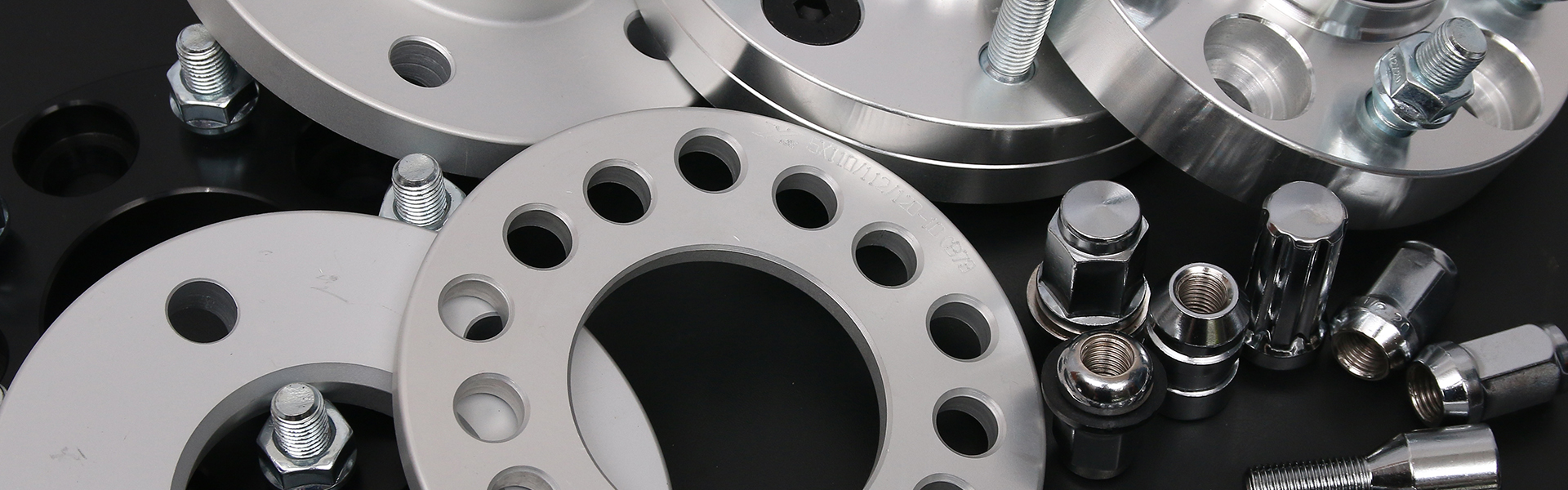


Selecting the correct TPMS sensor valve for tire workshops requires understanding frequency compatibility, OE specification matching, and regulatory compliance standards. This comprehensive buying checklist covers essential evaluation criteria that directly impact service quality and customer satisfaction in modern automotive repair facilities. Workshop managers and technicians must consider technical specifications alongside practical factors such as inventory management and supplier reliability when procuring sensor valves for tire pressure monitoring systems. Following a systematic evaluation process helps prevent compatibility issues, reduces come-backs, and ensures compliance with vehicle manufacturer requirements.

Understanding TPMS Sensor Valve Types and Applications
TPMS sensor valves come in two primary configurations that determine compatibility with specific vehicle platforms. Snap-in valves feature a rubber grommet design and are commonly found on passenger vehicles manufactured by American and Asian automakers. Clamp-in valves use a metal stem with a separate hex nut for secure attachment and are preferred by European manufacturers including BMW, Mercedes-Benz, and Volkswagen. Understanding these fundamental differences prevents costly ordering errors and installation complications. Each valve type has distinct torque specifications and replacement procedures that technicians must follow to maintain proper sealing and sensor functionality.
The valve material composition affects long-term durability under extreme temperature conditions. Aluminum alloy stems offer excellent corrosion resistance and weight reduction compared to traditional nickel-plated brass constructions. However, some aftermarket sensors only use brass stems due to manufacturing cost considerations. Workshop managers should verify that replacement sensors meet the original equipment manufacturer material specifications to ensure proper fitment and regulatory compliance.
Frequency Compatibility and Signal Protocols
Modern TPMS sensors operate on specific radio frequencies that vary by geographic market and vehicle manufacturer. 433 MHz sensors dominate the European and Asian markets, while 315 MHz sensors are standard for most North American and Japanese vehicles. Some manufacturers including Ford and General Motors have introduced proprietary dual-frequency sensors that require exact model matching. Selecting sensors with incorrect frequency parameters results in complete system failure and expensive rework.
Signal protocol compatibility extends beyond simple frequency matching to include authentication algorithms and data transmission formats. Many modern vehicles employ rolling code verification systems that prevent sensor replacement with generic alternatives. The ISO 69487 standard establishes baseline communication protocols, but vehicle manufacturers frequently implement proprietary enhancements. Tire workshops must invest in professional-grade TPMS programming tools capable of handling multiple manufacturer-specific protocols.
OE Specification Matching for Optimal Performance
Original equipment specification matching represents the single most critical factor in sensor valve procurement decisions. OE-spec sensors undergo rigorous validation testing including temperature cycling, moisture resistance, and electromagnetic interference screening. Aftermarket sensors that lack proper OE validation may experience premature battery failure, signal degradation, or complete system malfunctions. Documentation of OE specification compliance should accompany all sensor purchases from reputable suppliers.
Vehicle identification number database searches help determine the exact sensor part number required for specific applications. Many workshops utilize subscription-based TPMS database services that provide OE sensor numbers, relearn procedures, and application guides. These databases require regular updates to remain current with new vehicle introductions and specification changes. Investment in comprehensive database access significantly reduces ordering errors and improves first-time fix rates.
Battery Life and Sensor Durability Standards
TPMS sensor batteries typically offer service lives ranging from five to seven years under normal operating conditions. Battery capacity directly correlates with transmission frequency and sensor programming updates. Some sensors feature field-replaceable batteries while others require complete sensor assembly replacement when battery depletion occurs. Workshop inventory strategies should account for the increasing prevalence of non-replaceable battery designs in modern sensor configurations.
Durability testing standards vary significantly between manufacturers and product tiers. Premium sensors undergo accelerated lifecycle testing that simulates ten-year service conditions including extreme temperature exposure, road vibration, and moisture infiltration. The National Institute of Standards and Technology provides baseline guidelines for electronic component reliability verification. Workshops should prioritize sensors from manufacturers providing documented durability test results and extended warranty coverage.
Regulatory Compliance and Certification Requirements
TPMS sensor valves must comply with federal motor vehicle safety standards specific to each sales jurisdiction. In the United States, FMVSS 138 mandates TPMS functionality as a condition of vehicle type approval. Similar regulations exist in the European Union, Canada, and other major markets. Workshops must verify that purchased sensors carry appropriate certification markings for their target customer base. Non-compliant sensors expose workshops to liability risks and potential regulatory penalties.
Electromagnetic compatibility certification ensures sensors do not interfere with other vehicle electronic systems or external devices. The Web Content Accessibility Guidelines address digital accessibility but share naming conventions with related EMC standards that workshop managers should understand. CE marking indicates European Union compliance, while FCC certification verifies United States electromagnetic compatibility requirements. Product documentation should clearly display all applicable certification marks.
Cost Analysis and Value Considerations
Sensor valve pricing varies widely based on origin, specification level, and supplier channel. Original equipment brand sensors from automotive manufacturers command premium pricing but offer guaranteed compatibility and extended warranty coverage. Tier-one aftermarket suppliers provide intermediate options with substantial cost savings while maintaining reasonable quality standards. Generic sensors from unverified sources present significant risk despite attractive initial pricing.
Total cost of ownership analysis should replace simple unit price comparisons during procurement decisions. Factors including expected sensor lifespan, warranty coverage, programming tool compatibility, and potential rework costs significantly impact overall value. The search engine optimization of supplier websites may not reflect actual product quality. Workshops should prioritize verified supplier track records and customer references over marketing claims.
Supplier Selection and Inventory Management
Reliable supplier relationships directly affect workshop operational efficiency and customer satisfaction outcomes. Established distributors typically provide technical support, flexible return policies, and consistent product availability. Geographic proximity affects shipping times and emergency order capabilities during unexpected situations. Multi-supplier strategies reduce dependency risk but increase administrative complexity and order minimum requirements.
Inventory optimization for TPMS sensors requires balancing carrying costs against service level requirements. Common sensor categories should maintain adequate stock levels while specialty items may justify just-in-time ordering arrangements. Sensor expiration dating requires attention since adhesive components and sealing elements degrade over extended storage periods.
TPMS Sensor Valve Comparison Table
| Feature | OE Brand | Premium Aftermarket | Value Tier |
|---|---|---|---|
| Typical Price Range | $80-$150 | $35-$75 | $15-$35 |
| Battery Life | 7-10 years | 5-7 years | 3-5 years |
| Warranty Coverage | Limited by vehicle | 2-4 years | 1 year limited |
| Application Coverage | Vehicle-specific | Multi-vehicle | Universal options |
| Programming Required | Often required | Usually required | May be universal |
Essential TPMS Sensor Valve Buying Checklist
Use this systematic evaluation framework when procuring TPMS sensor valves for workshop inventory:
- Verify frequency specification matches target vehicle applications
- Confirm valve type (snap-in or clamp-in) compatibility requirements
- Validate OE specification documentation and test certifications
- Check regulatory compliance marks for applicable markets (FMVSS, CE, FCC)
- Compare total cost of ownership including warranty and expected service life
- Evaluate supplier reliability through customer references and return policies
- Assess programming tool requirements and database subscription costs
- Consider inventory turnover rates and storage condition requirements
Installation Best Practices and Quality Assurance
Proper installation procedures maximize sensor longevity and prevent premature failures. Valve core torquing must follow manufacturer specifications to prevent leaks while avoiding stem damage. Anti-seize compound application on clamp-in valve threads prevents galling during removal procedures. Stem cap installation provides secondary sealing protection against moisture infiltration. Quality assurance protocols should include post-installation system verification using professional TPMS scan tools.
Conclusion
TPMS sensor valve procurement for tire workshops requires systematic evaluation of technical specifications, regulatory compliance, and total cost factors. Workshop managers should establish clear supplier qualification criteria and maintain inventory balances that support service quality objectives. Investment in proper sensor selection and installation procedures reduces rework costs and improves customer satisfaction. Following this checklist framework helps ensure workshop competitiveness in an increasingly technical automotive service environment.
Post time: Jun-29-2026