



An engineering comparison of acorn-seat (60-degree tapered) and ball-seat (spherical) lug nuts on wheel vibration behavior, with a focus on seat contact mechanics, hub compatibility, and the tightening procedure that determines the answer in service.
Ningbo Fortune Auto Parts Manufacture Co., Ltd., founded in 1996 and headquartered in Ningbo, China, manufactures wheel balance weights, tire valves, TPMS components, and lug nuts including the ACORN Style, BULGE ACORN, DUALIE ACORN, MG-ATTACHED WASHER, and OPEN-END Style product families. The company opened warehouses and offices in North America in 2014, and it has supplied OE customers and aftermarket distributors across Germany, Turkey, Canada, the United States, Indonesia, India, Nigeria, and Brazil. The lug-nut specification discussion below uses the Fortune catalog as the reference baseline, but the engineering applies to any lug nut regardless of brand.
Quick Answer. Neither the acorn seat nor the ball seat is universally better at preventing wheel vibration; the right answer is the seat geometry that matches the wheel hub mating surface exactly. A matched seat maintains uniform contact pressure around the lug nut’s seating face, distributes the clamp load evenly on the wheel, and prevents the micro-motion at the nut-wheel interface that produces vibration. An unmatched seat introduces uneven contact pressure, induces localized stress concentrations, and produces vibration regardless of how tight the lug nut is torqued. The vibration-prevention decision is therefore not “which seat is better” but “which seat matches the wheel hub exactly” — and the tightening procedure then determines whether the matched seat delivers its full vibration-prevention benefit.
Why Two Seat Designs Exist, And Why This Question Matters
Lug nut seat geometry is a small but consequential engineering decision. The seat determines how the lug nut transfers its clamp load into the wheel hub mating surface, and the clamp load is the force that holds the wheel against the hub face. If the seat geometry distributes the clamp load evenly, the wheel stays round and concentric under braking and cornering loads. If the seat geometry concentrates the clamp load unevenly, the wheel can deform locally, the concentricity is lost, and the wheel produces vibration under braking, under cornering, and at speed.
Two seat geometries dominate the global lug nut market. The cone seat, also called the tapered seat, has a 60-degree conical face on the nut that mates with a matching 60-degree conical pocket on the wheel hub. The ball seat, also called the spherical seat, has a curved spherical face on the nut that mates with a matching spherical pocket on the wheel hub. Each geometry has been used for decades in different vehicle platforms, and each has accumulated a body of service experience in its native application.
The vibration question is interesting because the answer depends on whether the seat is matched to the wheel hub. A matched cone seat on a hub designed for a cone seat delivers excellent vibration performance; a mismatched cone seat on a hub designed for a ball seat produces immediate vibration regardless of how the wheel is balanced. The discussion below unpacks the seat-contact mechanics, the hub-compatibility question, and the tightening procedure that determines whether the matched seat delivers its full vibration-prevention benefit.
The Anatomy of a Lug Nut Seat, Where Vibration Actually Lives
Wheel vibration in service originates at one of four locations: the tire, the wheel, the hub, and the lug nut interface. The lug nut interface is the focus of this guide because it is the most commonly misdiagnosed source and the most easily corrected.
The Lug Nut Clamp Load
When a lug nut is tightened to its specified torque, it produces a clamp load between the wheel and the hub face. The clamp load is the friction force that holds the wheel in place under braking torque, cornering lateral load, and vertical load from road irregularities. The clamp load is also the force that maintains concentricity between the wheel and the hub.
The Seat Contact Patch
The seat contact patch is the area where the lug nut’s seating face touches the wheel hub mating surface. The contact patch is small (typically 30 to 80 mm² per lug nut), and the local contact pressure on the patch is therefore very high (typically 200 to 500 MPa). High contact pressure is intentional — it is what makes the clamp load transfer without slipping — but uneven contact pressure on the patch produces uneven clamping, uneven deformation, and ultimately vibration.
The Micro-Motion Failure Mode
Micro-motion is the small relative displacement between the lug nut seat and the wheel hub mating surface that occurs under cyclic loading. Micro-motion is too small to see but large enough to produce fretting corrosion (wear debris and oxidation at the contact patch), loss of clamp load over time, and wheel vibration. The seat geometry determines whether micro-motion occurs at the edge of the contact patch or in the center; an edge-loaded contact patch produces more micro-motion than a center-loaded contact patch.
Cone Seat Geometry, Strengths and Vibration Behavior
The cone seat, also called the tapered seat, has a 60-degree conical face on the nut that mates with a matching 60-degree conical pocket on the wheel hub. The cone seat is the most common geometry on passenger cars and light trucks globally because it is forgiving of small manufacturing tolerances and works with cast aluminum and stamped steel wheels across a wide range of clamp loads.
The Cone Seat Contact Mechanics
The cone seat contact patch is a ring around the periphery of the seating face. The contact patch is a circle, not a disc, because the cone’s apex angle concentrates the contact at the outer edge of the seating face. The ring contact is well-suited to the high contact pressures involved in lug nut clamping, and it distributes the clamp load evenly around the periphery of the seating face.
The Cone Seat Strength
The cone seat’s strength is its self-centering behavior under uneven torque application. When a wheel is bolted down by hand (a situation that should never occur but sometimes does), the cone seat geometry centers itself as the torque is increased, producing a more forgiving installation than the ball seat. For aftermarket distributors and DIY buyers, the cone seat’s tolerance for installation error is a meaningful advantage.
The Cone Seat Vibration Behavior
The cone seat delivers excellent vibration performance when matched to a cone-seat wheel hub. The ring contact patch distributes the clamp load evenly, and the 60-degree angle transfers the clamp load into the wheel hub mating surface without concentration. Mismatched cone seats, however, produce immediate vibration because the cone cannot seat properly on a ball-seat pocket or on a wheel designed for a different cone angle.
Ball Seat (Spherical) Geometry, Strengths and Vibration Behavior
The ball seat, also called the spherical seat, has a curved spherical face on the nut that mates with a matching spherical pocket on the wheel hub. The ball seat is the dominant geometry on European passenger cars, on many light trucks, and on aftermarket wheels designed for a specific application.
The Ball Seat Contact Mechanics
The ball seat contact patch is a disc at the center of the seating face, not a ring at the periphery. The disc contact patch is more area than the cone’s ring contact patch, which means lower contact pressure on the patch at the same clamp load. The lower contact pressure is meaningful for repeated assembly and disassembly because it reduces wear on the wheel hub mating surface.
The Ball Seat Strength
The ball seat’s strength is its forgiveness of wheel hub surface imperfections. The spherical face has more area than the conical face and can seat on a slightly imperfect wheel hub surface without losing contact. For aftermarket wheels with a stamped or rough-machined mating surface, the ball seat delivers more reliable clamping than the cone seat.
The Ball Seat Vibration Behavior
The ball seat delivers excellent vibration performance when matched to a ball-seat wheel hub. The disc contact patch distributes the clamp load evenly, and the spherical geometry transfers the clamp load into the wheel hub mating surface uniformly. Mismatched ball seats produce uneven contact pressure at the periphery of the disc, leading to localized stress concentrations and vibration. The Engineering Toolbox thermal expansion reference is a useful background for understanding how temperature changes during braking affect the contact pressure on the seat patch and therefore the vibration behavior in service.
The Vibration Comparison, Engineering Mechanics of Seat Contact
The vibration comparison between the acorn and ball seats reduces to four engineering variables: the contact patch geometry, the clamp load distribution, the susceptibility to fretting corrosion, and the hub-compatibility requirement.
Contact Patch Geometry
The acorn cone seat produces a ring contact patch; the ball seat produces a disc contact patch. The disc contact patch has more area, which reduces the contact pressure at the same clamp load. Lower contact pressure means less wear on the wheel hub mating surface over repeated assembly and disassembly cycles.
Clamp Load Distribution
The acorn cone seat distributes the clamp load around the periphery of the seating face; the ball seat distributes the clamp load across the disc. The acorn periphery distribution is slightly more vulnerable to fretting corrosion at the periphery; the ball disc distribution is slightly more vulnerable to fretting corrosion at the center. In practice, both geometries are well-engineered for the contact pressure involved.
Fretting Corrosion Susceptibility
Fretting corrosion is the wear mechanism that degrades the seat contact patch over time. Both geometries are vulnerable to fretting corrosion at the contact patch edges where micro-motion is highest; the difference is in how the geometry localizes the micro-motion. The acorn periphery contact tends to fret at the periphery ring; the ball disc contact tends to fret at the center disc. Neither geometry is universally better at preventing fretting corrosion; the geometry that prevents fretting corrosion is the geometry that maintains the highest and most uniform contact pressure over the patch.
Hub Compatibility Requirement
The acorn seat requires a wheel hub with a 60-degree conical pocket; the ball seat requires a wheel hub with a spherical pocket. The two pockets are not interchangeable; a cone seat on a ball-seat hub, or a ball seat on a cone-seat hub, produces uneven contact pressure and vibration regardless of how tightly the lug nut is torqued. The wheel hub determines the seat geometry, not the other way around.
Hub Compatibility, Why Your Vehicle Determines the Right Seat
The wheel hub determines the seat geometry because the hub is machined into the wheel during manufacturing and cannot be changed in service. A wheel hub designed for a 60-degree cone seat will accept only a 60-degree cone seat; a wheel hub designed for a ball seat will accept only a ball seat. Mixing the two is a common cause of wheel vibration in aftermarket wheel installations and in replacement wheel installations on used vehicles.
Identifying the Hub Seat Type
The wheel hub seat type can be identified by visual inspection: a cone seat hub has a tapered pocket with a sharp edge where the conical face meets the wheel face; a ball seat hub has a curved pocket with a continuous transition between the spherical face and the wheel face. The two geometries are visually distinct. A buyer who is uncertain should photograph the hub mating surface and ask the wheel manufacturer for confirmation.
OEM Specification Lookup
The OEM specification for the wheel hub seat type is published in the vehicle’s service manual or the wheel manufacturer’s installation guide. A buyer who is replacing the wheel or the lug nuts should consult the OEM specification before sourcing replacement lug nuts. The replacement lug nuts must match the OEM specification exactly, not approximately.
Aftermarket Wheel Selection
Aftermarket wheels are available in both cone seat and ball seat configurations. A buyer selecting an aftermarket wheel should choose the seat geometry that matches the vehicle’s OEM specification, not the seat geometry that matches the existing lug nuts. The lug nuts should be replaced to match the wheel if the wheel is replaced with a different seat geometry.
Wheel Vibration in Service, Five Symptoms and Their Causes
Wheel vibration in service is a symptom, not a cause. The five symptoms below are the most common presentations of wheel vibration in service and the most common causes.
Symptom 1, Steering Wheel Shimmy at Highway Speed
Steering wheel shimmy at highway speed is typically caused by tire imbalance, by wheel imbalance, or by a bent wheel. Lug nut seat mismatch is a less common cause but should be considered if the vibration persists after tire balance and wheel inspection.
Symptom 2, Brake Pedal Pulsation Under Braking
Brake pedal pulsation under braking is typically caused by warped brake rotors, by uneven brake pad deposition, or by a wheel hub runout issue. Lug nut seat mismatch can contribute to brake pulsation by allowing micro-motion under braking torque that exaggerates rotor runout.
Symptom 3, Vibration That Increases with Speed
Vibration that increases with speed is typically caused by tire imbalance, wheel imbalance, or a bent wheel. Lug nut seat mismatch contributes to vibration that increases with speed when the seat mismatch allows micro-motion at high rotational speeds.
Symptom 4, Vibration That Occurs Only When Braking
Vibration that occurs only when braking is typically caused by warped brake rotors, uneven brake pad wear, or brake caliper issues. Lug nut seat mismatch is rarely the cause but should be considered if the vibration persists after brake service.
Symptom 5, Vibration After Wheel Replacement
Vibration after wheel replacement is typically caused by seat mismatch between the replacement wheel and the original lug nuts. The diagnostic is to inspect the wheel hub seat type and verify that the lug nuts match the wheel hub exactly. A wheel replacement that introduces a seat mismatch is the most common aftermarket cause of wheel vibration.
The Tightening Procedure, Where Most Wheel Vibration Problems Start
The tightening procedure is the operational lever that determines whether a matched seat delivers its full vibration-prevention benefit. An improperly tightened matched seat produces the same vibration as a mismatched seat, so the procedure is worth careful attention.
The Torque Sequence
The lug nuts should be tightened in a star pattern, not in a sequential pattern around the wheel. A sequential pattern produces uneven clamp load distribution and wheel deformation; a star pattern produces even clamp load distribution and concentric wheel mounting. The star pattern is typically a five-lug pattern that tightens every other nut before returning to the starting nut.
The Two-Pass Tightening
The lug nuts should be tightened in two passes. The first pass brings each lug nut to approximately half of the specified torque; the second pass brings each lug nut to the full specified torque. The two-pass tightening ensures even clamp load distribution and prevents the wheel from binding on the hub face during the initial tightening.
The Re-Torque After 50 to 100 Miles
The lug nuts should be re-torqued after the first 50 to 100 miles of driving. The re-torque corrects for the seating-in micro-motion that occurs during the first few thermal cycles of the wheel and hub assembly. Many wheel vibration problems that appear in the first month of ownership are prevented by a re-torque that the installer performs.
The Torque Specification
The torque specification for the lug nut is published by the vehicle manufacturer or the wheel manufacturer. The torque specification is typically in the range of 80 to 140 lb-ft for passenger car applications and 100 to 200 lb-ft for light truck applications. The torque specification should be respected for both seat geometries; over-torquing and under-torquing produce wheel vibration regardless of the seat design.
Fortune Lug Nut Catalog Match for Both Seat Designs
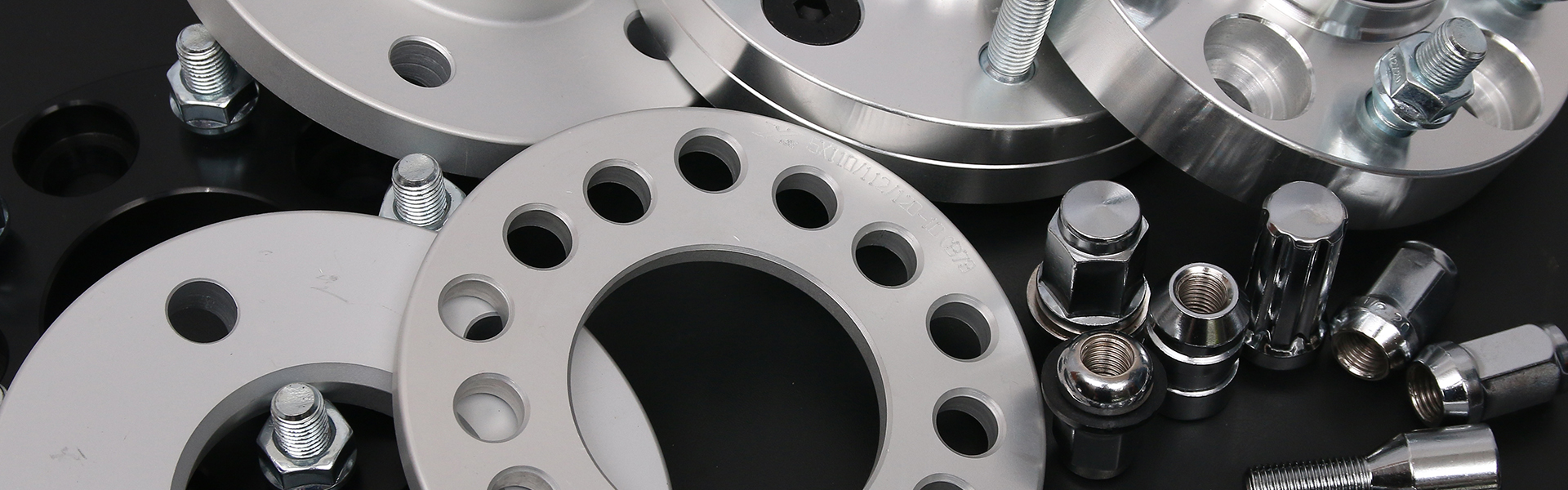
Fortune’s lug nut catalog covers both cone seat and ball seat geometries in the ACORN Style, BULGE ACORN, DUALIE ACORN, and OPEN-END SPHERE product families. The ACORN Style family includes 1-PC ACORN at 1.38 inches tall in 3/4 inch and 2/3 inch hex, 2-PC ACORN at 1.40 inches and 1.06 inches tall in 13/16 inch hex, the standard ACORN Style at 1.40 inches tall in 13/16 inch hex, and the ACRON SHORT at 1.00 inch tall in 13/16 inch hex. The OPEN-END Style family includes OPEN-END SPHERE ball seat lug nuts at 0.71 inches tall in 3/4 inch hex, plus the OPEN-END BULGE series at 0.75, 0.83, and 1.00 inches tall in 3/4 inch and 13/16 inch hex configurations. A buyer who is matching the seat geometry to the wheel hub can select the appropriate style from either family with confidence.
Frequently Asked Questions
Is the acorn seat the same as the cone seat?
Yes. The acorn seat is the industry’s name for the cone seat; both terms refer to a 60-degree tapered conical face on the lug nut that mates with a matching 60-degree conical pocket on the wheel hub. The two names are used interchangeably in the aftermarket and OEM documentation.
Is the ball seat the same as the spherical seat?
Yes. The ball seat is the industry’s name for the spherical seat; both terms refer to a curved spherical face on the lug nut that mates with a matching spherical pocket on the wheel hub. The two names appear interchangeably in aftermarket and OEM documentation.
Can I use a cone seat lug nut on a ball seat wheel hub?
No. A cone seat lug nut requires a 60-degree conical pocket on the wheel hub; a ball seat wheel hub has a spherical pocket. The cone seat cannot seat properly on the spherical pocket, the contact pressure is uneven, and the wheel produces immediate vibration. The replacement lug nuts must match the wheel hub seat type exactly.
How do I know if my wheel hub is cone seat or ball seat?
Look at the wheel hub mating surface. A cone seat hub has a tapered pocket with a sharp edge where the conical face meets the wheel face; a ball seat hub has a curved pocket with a continuous transition between the spherical face and the wheel face. The two geometries are visually distinct. A buyer who is uncertain should photograph the hub mating surface and ask the wheel manufacturer or the lug nut supplier for confirmation.
What torque specification should I use for acorn and ball seat lug nuts?
The torque specification for the lug nut is published by the vehicle manufacturer or the wheel manufacturer. The torque specification is typically in the range of 80 to 140 lb-ft for passenger car applications and 100 to 200 lb-ft for light truck applications. The torque specification should be respected for both seat geometries; over-torquing and under-torquing produce wheel vibration regardless of the seat design.
Should I re-torque my lug nuts after a wheel installation?
Yes. The lug nuts should be re-torqued after the first 50 to 100 miles of driving following a wheel installation. The re-torque corrects for the seating-in micro-motion that occurs during the first few thermal cycles of the wheel and hub assembly. Many wheel vibration problems in the first month of ownership are prevented by the re-torque that the installer performs.
Do acorn and ball seat lug nuts require different torque specifications?
No. The torque specification is determined by the wheel and the vehicle, not by the lug nut seat geometry. The same wheel installed on the same vehicle requires the same torque specification whether the lug nut is acorn or ball seat. The torque specification is published by the wheel manufacturer or the vehicle manufacturer; the lug nut supplier does not specify the torque independently.
Why do aftermarket wheels sometimes vibrate after installation?
Aftermarket wheels vibrate after installation when the lug nut seat geometry on the replacement wheel does not match the seat geometry on the original lug nuts. The fix is to replace the lug nuts with the seat geometry that matches the new wheel, not to balance the wheel or to replace the tires. Seat-mismatch vibration typically appears within the first mile of driving and does not respond to balance or alignment adjustments.
For wholesale distributors and OEM buyers sourcing lug nuts for both cone seat and ball seat applications, the Fortune ACORN Style family covers the 1-PC, 2-PC, standard, and SHORT configurations in 3/4 inch and 13/16 inch hex, and the OPEN-END Style family covers the OPEN-END SPHERE ball seat configuration plus the OPEN-END BULGE series. To discuss OEM programs, private label, or trial orders for either seat type, contact Bobby at Fortune through the company contact page with target part numbers, target seat geometry, target hex size, and target quantity.
Post time: Sep-02-2026