


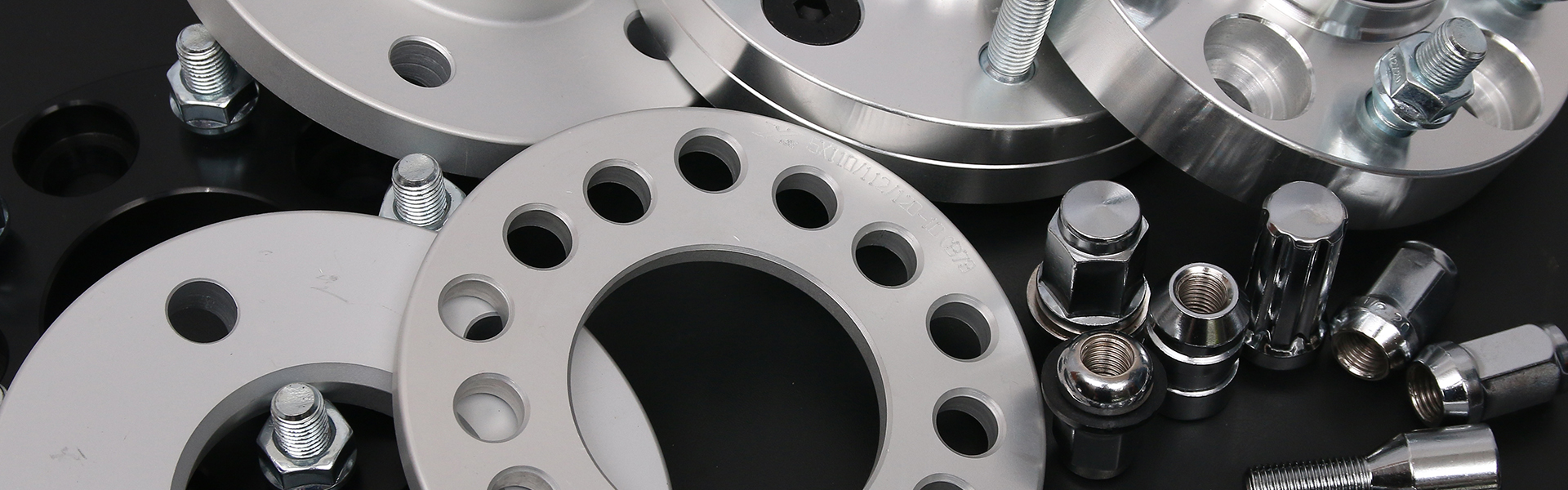

At Fortune Wheel Parts, we have manufactured and exported wheel fastening products to over 150 countries since 1996. Our lug nut and lug bolt catalog includes acorn, bulge acorn, dualie acorn, mag-attached washer, open-end, and lug bolt configurations, each produced under ISO 9001 certified quality management. Whether you are expanding into a new regional market or rationalizing an existing SKU assortment, this article will walk you through every critical variable so you can stock the right lug nuts with confidence.
1. Why Lug Nut Selection Matters for Aftermarket Wholesalers
The global aftermarket for wheel fasteners continues to grow in step with the expanding vehicle parc, the rise of custom wheel fitments, and the increasing popularity of alloy wheel upgrades. According to SEMA market research, wheel accessories represent one of the highest-margin categories in the automotive aftermarket, and lug nuts are a consumable repeat-purchase item. Every new set of aftermarket wheels a consumer buys requires compatible lug nuts, and many OE lug nuts are incompatible with aftermarket wheel designs due to differences in seat type, shank length, or overall diameter.
For wholesalers, the stakes are straightforward: stock the correct range of lug nut styles, thread pitches, and seat types, and you capture sales across the broadest possible vehicle population. Miss a common specification, and you lose the order to a competitor who carries it. Worse, if you supply a lug nut that does not match the wheel seat geometry, the fastener may appear to tighten correctly but will not generate the proper clamping force. Over time, this leads to fatigue cracking around the lug hole, loosening, and in extreme cases, complete wheel separation.
Understanding lug nut selection is therefore not merely a merchandising exercise. It is a quality assurance imperative and a liability management strategy. The sections below break down the most important variables one by one, starting with the three dominant lug nut body styles in the aftermarket: acorn, bulge acorn, and mag wheel lug nuts.
2. Acorn Lug Nuts: The Industry Standard

Acorn lug nut with conical seat — the most widely specified wheel fastener in the North American aftermarket.
The acorn lug nut is by far the most common wheel fastener in the North American aftermarket, and it is the default specification for the majority of domestic passenger cars and light trucks manufactured since the late 1980s. The name derives from the nut’s shape: a tapered, dome-topped body that narrows toward the base into a 60-degree conical (cone) seat. When torqued into an aftermarket wheel with a matching 60-degree taper, the acorn lug nut self-centers the wheel on the hub and distributes clamping load evenly across the mating surfaces of the seat.
Acorn lug nuts are typically manufactured from Grade 10.9 or Grade 12.9 medium-carbon alloy steel, heat-treated to meet or exceed SAE and SAE J2530 performance requirements for wheel fasteners. Surface finishes include chrome plating, black phosphate, zinc flake, and zinc-nickel alloy, with chrome being the dominant cosmetic finish in the retail aftermarket. For wholesale distribution, the key consideration is ensuring that every acorn lug nut in your catalog is clearly labeled with its thread pitch, seat angle, overall length, hex size, and material grade. This information is critical for the end-user installer and for your own quality documentation.
The standard acorn lug nut uses a closed-end design, meaning the threads do not extend through the top of the nut. This protects the stud threads from corrosion and road debris. However, some wheel applications require an open-end lug nut to accommodate longer studs or extended-thread hubs. Fortune’s acorn lug nut range includes both closed-end and open-end variants in the most common thread pitches, giving distributors the flexibility to serve both OEM-replacement and aftermarket-upgrade demand from a single supplier.
For wholesale buyers entering the lug nut category, acorn lug nuts should form the core of the SKU matrix. A well-stocked acorn assortment covering M12x1.5, M12x1.25, 7/16-20, and 1/2-20 thread pitches, in both 13/16-inch and 3/4-inch hex sizes, will address the needs of approximately 80 percent of the passenger vehicle market in North America.
3. Bulge Acorn Lug Nuts: When Wider Coverage Matters
The bulge acorn lug nut is a variation of the standard acorn that features a wider, more pronounced dome at the top and a larger-diameter conical seat at the base. This expanded seat geometry is specifically engineered for aftermarket alloy wheels that have oversized lug holes. Many custom and performance wheels are machined with lug holes that are larger in diameter than the OEM specification, either to accommodate a wider range of hub-centric fitments or simply as a result of the wheel manufacturer’s design choices. When a standard acorn lug nut is used in an oversized lug hole, the conical seat may not engage the wheel’s taper fully, resulting in insufficient clamping area and a dangerously reduced torque retention capacity.
The bulge acorn solves this problem by increasing the outer diameter of the conical seat so that it contacts the wheel taper even in enlarged lug holes. The bulge portion of the nut sits above the hex flats, creating a visually prominent dome that also adds a subtle cosmetic accent. For the aftermarket distributor, the bulge acorn lug nut is an essential companion to the standard acorn. Carrying both styles ensures that you can serve customers who are installing aftermarket wheels with non-standard lug hole dimensions, a scenario that is extremely common in the custom wheel and truck accessory segments.
From a manufacturing standpoint, bulge acorn lug nuts require the same material and heat-treatment specifications as standard acorn nuts. Fortune produces bulge acorn lug nuts in chrome, black phosphate, and zinc-plated finishes, all under our ISO 9001 quality management system. Thread pitch options mirror the standard acorn range: M12x1.5, M12x1.25, M14x1.5, M14x2.0, 7/16-20, and 1/2-20. Each SKU is packaged with thread pitch and seat type clearly identified on the label, simplifying warehouse management and reducing the risk of mix-ups during order fulfillment.
4. Mag Wheel Lug Nuts: For Aftermarket Alloy Wheels
The term mag wheel lug nut refers to a family of lug nuts designed specifically for wheels that use a flat seat or a washer-based clamping system rather than a conical taper. The name originates from the early days of aftermarket alloy wheels, when many were marketed as “mag wheels” because they were cast from magnesium alloy. Although modern aftermarket alloy wheels are almost universally made from aluminum, the “mag” designation persists in the fastener category.
Mag wheel lug nuts are characterized by their use of a separate washer or flange that bears against the wheel’s flat mounting surface. The washer may be permanently attached to the nut body (often called a mag-attached washer design), or it may be a loose washer that is placed over the stud before the nut is threaded on. Fortune’s product line includes both configurations. The MG-Attached Washer style is particularly popular because it eliminates the risk of the washer being lost during installation, ensuring consistent clamping force across all lug positions.
In addition to the washer-based designs, some aftermarket wheels are machined with a shanked lug hole that accepts a lug nut with an extended shank or sleeve. This configuration provides additional radial support for the wheel on the hub, reducing the shear load on the studs. Fortune produces shanked mag wheel lug nuts in several common shank lengths and diameters to accommodate the variety of aftermarket wheel hub bore and lug hole specifications in the market.
For the wholesale distributor, mag wheel lug nuts represent a higher-margin, lower-volume niche compared to acorn and bulge acorn styles. However, they are indispensable if you serve customers in the custom wheel, racing, or off-road segments. A well-rounded lug nut catalog should include at least a basic assortment of mag-style nuts in the most common thread pitches, alongside the acorn and bulge acorn core range.
5. Thread Pitch Specifications: M12x1.5, M12x1.25, 1/2-20 and Beyond
Thread pitch is the single most critical dimensional specification for any lug nut, because a mismatch between the nut’s internal thread and the wheel stud’s external thread will prevent proper engagement and torque retention. The aftermarket distributor must carry lug nuts in every thread pitch that is commonly found in the vehicle population served. Below is a summary of the most important thread pitch specifications for the global aftermarket.
| Thread Pitch | Primary Market | Common Applications |
|---|---|---|
| M12 x 1.5 | Global (Asia, Europe, North America) | Toyota, Honda, Nissan, Hyundai, Kia, Subaru, most Asian imports |
| M12 x 1.25 | Japan, Asia | Toyota (older models), Mazda, Mitsubishi, Suzuki, Daihatsu |
| M14 x 1.5 | Global | Many European and Korean vehicles, some trucks and SUVs |
| M14 x 2.0 | Europe | Select European vehicles (Renault, some Volkswagen Group) |
| 1/2-20 UNF | North America | Ford, Chevrolet, Dodge trucks and SUVs, most domestic half-ton pickups |
| 7/16-20 UNF | North America | Older GM, Ford, and Chrysler passenger cars, some trailers |
| M12 x 1.75 | Europe (older) | Some older European vehicles, classic cars |
| 9/16-18 UNF | North America | Heavy-duty trucks, commercial vehicles, trailers |
For the North American aftermarket, the three most important thread pitches are M12x1.5, 1/2-20, and M14x1.5. These three pitches alone cover the vast majority of passenger cars, SUVs, and light trucks on the road today. For distributors serving the European market, M12x1.5 and M14x1.5 dominate, while M12x1.25 remains important for Japanese-market vehicles. Distributors with global reach should carry all eight pitches listed above to ensure complete market coverage.
One common mistake made by new distributors is to assume that metric and inch-based threads are interchangeable. They are not. A metric M12x1.5 lug nut will cross-thread onto a 1/2-20 stud if forced, but the resulting engagement will have drastically reduced strength and will almost certainly fail under load. Clear labeling, color-coded packaging, and separate storage bins for metric and inch-threaded products are best practices that every wholesale warehouse should implement.
6. Seat Types Compared: Conal vs Ball vs Flat
The seat type of a lug nut refers to the geometry of the surface that mates with the wheel’s lug hole. This is the contact area that transmits clamping force from the nut to the wheel, and it must match the wheel’s seat geometry exactly. A mismatch between the nut seat and the wheel seat will result in point loading, deformation, loosening, and potential wheel detachment. There are three primary seat types in the aftermarket:
Conal (Tapered) Seat — 60 Degrees
The conal seat, also called a tapered or cone seat, is a 60-degree included-angle cone that matches a corresponding taper machined into the wheel’s lug hole. This is by far the most common seat type in the aftermarket and is used by the vast majority of acorn and bulge acorn lug nuts. The 60-degree taper provides excellent self-centering action and distributes clamping force evenly around the circumference of the lug hole. When a customer orders an “acorn lug nut” or a “bulge acorn lug nut,” the seat type is almost always conal unless otherwise specified.
Ball (Spherical) Seat
The ball seat, also known as a radius or spherical seat, uses a rounded, hemispherical contact surface that mates with a corresponding radius in the wheel’s lug hole. Ball-seat lug nuts are common on certain European vehicles, particularly Volkswagen, Audi, BMW, and Mercedes-Benz models, as well as some aftermarket wheels designed for the European market. The ball seat provides a larger contact area than a conal seat at the same nominal diameter, which can improve load distribution under high-torque conditions. However, ball-seat and conal-seat wheels and nuts are not interchangeable. Using a conal nut on a ball-seat wheel (or vice versa) will result in a line contact rather than a surface contact, which dramatically reduces clamping reliability.
Flat (Mag) Seat
The flat seat is a flat, perpendicular contact surface that bears against a flat machined surface on the wheel’s lug hole. Flat-seat lug nuts are used exclusively with mag-style wheels and are always paired with a washer or flange to distribute the clamping load over a wider area. The flat seat provides no self-centering action; the wheel is centered on the hub by the hub-centric ring or the hub bore, not by the lug nuts. This is an important distinction for installers: flat-seat lug nuts must be tightened in a star pattern to ensure even clamping, and the wheel must be properly seated on the hub before the lug nuts are torqued.
For the wholesale distributor, carrying lug nuts in all three seat types is essential if you serve the full aftermarket. A minimum stock assortment should include conal-seat acorn and bulge acorn nuts (the highest volume), ball-seat acorn nuts for European applications, and flat-seat mag nuts with attached washers for custom alloy wheels. Fortune manufactures all three seat types across the full range of thread pitches and hex sizes, allowing distributors to source their complete seat-type assortment from a single, ISO 9001-certified supplier.
7. How to Build Your Lug Nut SKU Matrix for Maximum Market Coverage
Building a lug nut SKU matrix is an exercise in systematic product planning. The goal is to cover the maximum number of vehicle and wheel combinations with the minimum number of SKUs, while maintaining clear labeling, efficient warehouse organization, and reliable supply chain continuity. Below is a step-by-step framework that Fortune recommends to our distribution partners worldwide.
Step 1: Define Your Thread Pitch Range. Based on your target market (North America, Europe, Asia, or global), select the thread pitches listed in the table above. For North America, start with M12x1.5, M14x1.5, 1/2-20, and 7/16-20. Add M12x1.25 if you serve import-vehicle shops, and add 9/16-18 if you serve the commercial truck or trailer segment.
Step 2: Select Your Seat Types. At minimum, stock conal-seat (60-degree) lug nuts in every thread pitch. Add ball-seat and flat-seat options for the thread pitches that are most commonly associated with European vehicles and custom wheels, respectively. For North America, conal-seat products will account for roughly 85 percent of your volume.
Step 3: Choose Your Body Styles. For each thread-pitch and seat-type combination, decide which body styles to carry. The core assortment should include standard acorn (closed-end), bulge acorn (closed-end), and open-end acorn. Add mag-attached washer and dualie acorn styles as your business grows into those niches. Fortune offers all of these body styles as part of our comprehensive lug nut program.
Step 4: Determine Hex Sizes. The two most common hex sizes in the aftermarket are 13/16 inch (21 mm) and 3/4 inch (19 mm). Some European and Asian applications use 17 mm. Stock each body style in at least two hex sizes, and consider offering a third if you serve a diverse vehicle population.
Step 5: Select Finishes. Chrome is the dominant finish in the retail aftermarket, followed by black phosphate (for OEM-replacement applications) and zinc flake (for corrosion resistance in harsh environments). Offer at least chrome and one non-chrome finish for each SKU to cover both retail and wholesale replacement demand.
Step 6: Package and Label Clearly. Every lug nut package must clearly state the thread pitch, seat type, seat angle, hex size, overall length, material grade, and finish. Fortune provides customizable packaging and labeling for our distribution partners, including barcoded retail blister packs, bulk boxes, and polybag assortments.
Step 7: Forecast Demand and Reorder Points. Use your sales history and vehicle registration data for your market to estimate demand for each thread pitch and body style. Set reorder points at a level that ensures at least four weeks of stock coverage, and work with your supplier to establish a lead-time agreement that supports your replenishment cycle. Fortune maintains buffer stock of our most popular lug nut SKUs at our Ningbo warehouse, enabling rapid fulfillment for our global distribution network.
By following this framework, a wholesale distributor can build a lug nut assortment of approximately 80 to 150 SKUs that covers 95 percent or more of the passenger vehicle and light truck market. This is a manageable catalog size that fits comfortably within a single product bay or shelving unit, yet provides the depth of coverage needed to compete with the largest national distributors.
Beyond the core lug nut range, Fortune also manufactures complementary products that distributors can add to their wheel fastener program. Our full product catalog includes wheel balance weights (adhesive and clip-on styles in lead, steel, and zinc), tire valves and accessories, and tool accessories for wheel service. Bundling lug nuts with these related products can increase order values and strengthen customer relationships.
8. FAQ
What is the difference between an acorn lug nut and a bulge acorn lug nut?
An acorn lug nut features a standard 60-degree conical seat and a dome-shaped top that tapers to the base. A bulge acorn lug nut has the same 60-degree conical seat, but the dome is wider and more pronounced, with a larger seat outer diameter. The bulge design is intended for aftermarket alloy wheels that have oversized lug holes. When a standard acorn nut cannot fully engage the wheel’s taper due to an enlarged lug hole, the bulge acorn provides the additional seat coverage needed to achieve proper clamping force. Both styles are manufactured from the same grade of heat-treated steel and are available in the same thread pitches and finishes.
How do I determine the correct thread pitch for a lug nut?
The correct thread pitch is determined by the wheel stud specification of the vehicle, not the wheel itself. You can identify the thread pitch using a thread pitch gauge or by consulting the vehicle manufacturer’s service manual. For the most common vehicles in North America, Toyota and Honda typically use M12x1.5, older Japanese vehicles may use M12x1.25, Ford and GM trucks use 1/2-20, and many European vehicles use M14x1.5. Using the wrong thread pitch will result in cross-threading, which destroys both the stud and the nut and creates a serious safety hazard. Always verify the thread pitch before installation.
Can I use conal-seat lug nuts on a ball-seat wheel?
No. Conal-seat and ball-seat lug nuts are geometrically incompatible with each other’s wheel seat. A conal nut on a ball-seat wheel will create a line contact at the edge of the taper rather than a full-surface contact, drastically reducing clamping area and torque retention. Conversely, a ball-seat nut on a conal-seat wheel will sit on a small contact ring at the apex of the ball, again with inadequate clamping area. Both scenarios can lead to lug nut loosening, stud fatigue, and wheel detachment. Always match the lug nut seat type to the wheel manufacturer’s specification.
What is the difference between a mag wheel lug nut and an acorn lug nut?
A mag wheel lug nut uses a flat seat with a separate or attached washer to bear against the wheel’s flat mounting surface, whereas an acorn lug nut uses a conical (tapered) seat that self-centers in a matching tapered lug hole. Mag wheel lug nuts are designed for aftermarket alloy wheels that are machined with flat-seat lug holes and rely on the hub bore (not the lug nuts) for centering. Acorn lug nuts are the standard for most OEM and aftermarket wheels with tapered lug holes. The two are not interchangeable. Using a mag lug nut on a conal-seat wheel, or an acorn lug nut on a flat-seat wheel, will result in improper clamping and potential wheel failure.
How many lug nut SKUs does a wholesale distributor need to stock for full market coverage?
For comprehensive coverage of the North American passenger vehicle and light truck market, a distributor should stock approximately 80 to 150 lug nut SKUs. This range accounts for the four to six most common thread pitches, three seat types (conal, ball, flat), three to four body styles (acorn, bulge acorn, open-end, mag), two hex sizes (13/16 inch and 3/4 inch), and two finishes (chrome and black phosphate). Distributors serving European or Asian markets may need additional SKUs for regional thread pitches and ball-seat configurations. Fortune can help you build a customized SKU matrix tailored to your target market and sales volume.
Are Fortune lug nuts certified to industry quality standards?
Yes. All Fortune wheel lug nuts and lug bolts are manufactured at our ISO 9001 certified factory in Ningbo, China. Our quality management system covers incoming raw material inspection, in-process dimensional and hardness testing, and final inspection before packaging. Products are tested to meet or exceed SAE J2530 and equivalent international standards for wheel fastener performance. Fortune has been exporting to over 150 countries since 1996, and our lug nut products are used by distributors, wheel manufacturers, and tire service chains worldwide. Certificates of conformance and material test reports are available upon request for all lug nut orders.
Post time: Jul-24-2026