



Metal bolt-in tire valves offer superior durability and reliability compared to traditional rubber snap-in valves, making them increasingly popular for high-speed vehicles including sports cars, motorcycles, and commercial trucks. These precision-engineered components maintain consistent tire pressure under extreme centrifugal forces, reducing the risk of sudden pressure loss at speeds exceeding 100 mph. This article examines the technical differences, performance benefits, and practical considerations to help vehicle owners and fleet managers make informed decisions about tire valve selection for their specific applications.
What Are Bolt-In Tire Valves
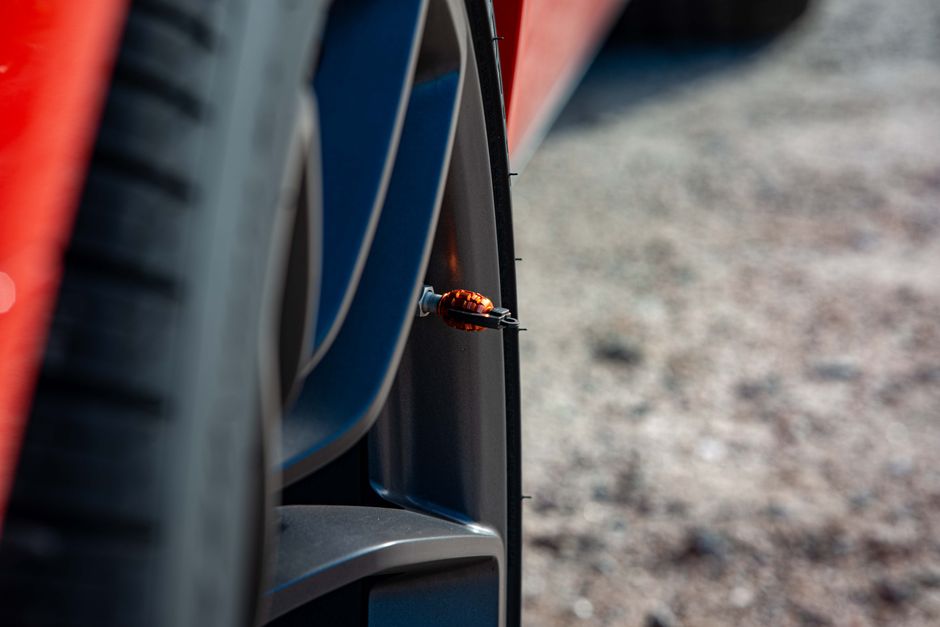
Bolt-in tire valves, also known as threaded valve cores, are metal components that screw directly into the wheel rim using a machined thread pattern. The valve body consists of a brass or steel core with an integrated rubber seal that compresses against the wheel rim when tightened. According to industry standards set by the International Organization for Standardization, these valves must meet specific torque specifications to ensure proper sealing under varying pressure conditions. Unlike snap-in valves that use a rubber grommet held by friction, bolt-in valves create a mechanical thread-lock connection that resists vibration-induced loosening. The standardized dimensions follow ISO 14469 guidelines for automotive tire valve interfaces.
Metal vs Rubber Snap-In Valve Comparison
Rubber snap-in valves dominate the passenger vehicle market due to their low cost and ease of replacement. However, they have fundamental limitations that become critical at elevated speeds. The rubber construction degrades faster when exposed to road chemicals, ultraviolet light, and temperature cycling between extreme hot and cold conditions. Metal bolt-in valves resist these environmental factors and maintain their structural integrity for significantly longer service intervals. The threaded design allows for repeated tightening to restore proper seating if minor loosening occurs over time.
Key mechanical differences between valve types include burst pressure ratings, vibration resistance, and replacement complexity. Modern high-speed vehicles often specify metal valves as original equipment because the additional mechanical security outweighs the marginally higher installation cost. Fleet operators who track tire maintenance costs frequently find that extended replacement intervals for metal valves offset the initial price premium.
| Feature | Metal Bolt-In | Rubber Snap-In |
|---|---|---|
| Maximum Speed Rating | Exceeds 200 mph | Limited to 120 mph |
| Service Life | 5-10 years | 2-4 years |
| Burst Pressure | 200+ psi | 80-120 psi |
| Temperature Range | -40°F to 250°F | -20°F to 150°F |
| Vibration Resistance | High | Moderate |
| Replacement Cost | $8-25 per valve | $2-8 per valve |
Performance Benefits for High Speed Applications
High-speed vehicles experience extreme centrifugal forces that push tire components outward from the wheel center. At 150 mph, the rotational speed generates forces equivalent to several times the valve’s weight acting continuously on the mounting interface. Metal bolt-in valves handle these loads without deformation because the threaded steel or brass construction distributes stress across the entire engagement area. Rubber snap-in valves rely solely on friction and interference fit, which can gradually work loose under sustained vibration and centrifugal loading.
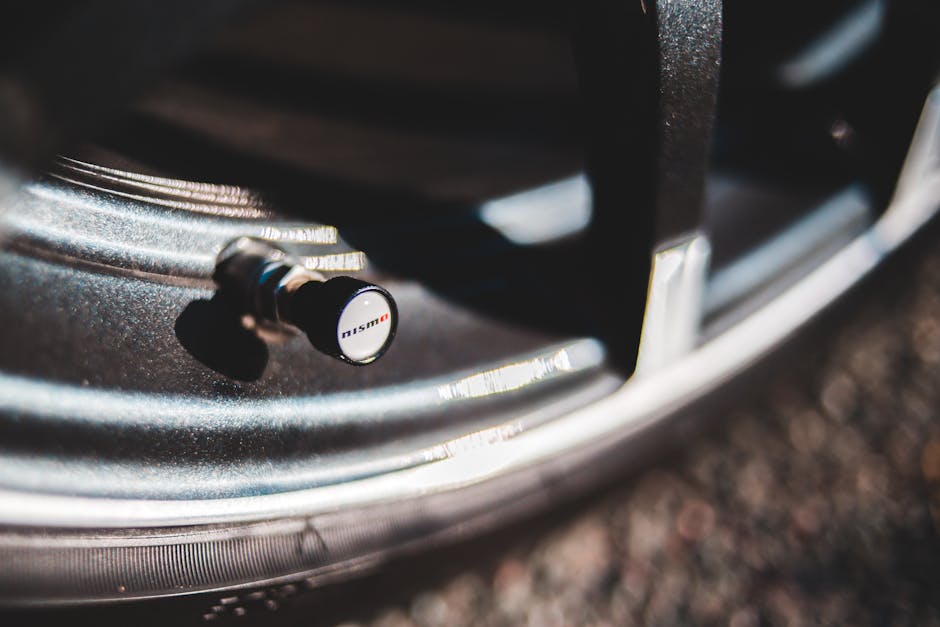
Temperature management represents another critical advantage for racing and high-performance applications. Metal valves transfer heat more efficiently from the wheel assembly, preventing localized hot spots that accelerate rubber deterioration. The thermal conductivity of brass and steel creates more uniform temperature distribution throughout the valve body, reducing stress concentrations that lead to cracking or seal failure. Performance tire specialists recommend metal valves for any application where sustained speeds exceed 130 mph for extended periods.
Installation and Torque Specifications
Proper installation of metal bolt-in valves requires attention to specific torque values that create adequate compression without damaging the wheel rim threads. The recommended installation torque typically ranges from 3 to 6 inch-pounds depending on the valve manufacturer and wheel material. Under-tightening leaves the seal incompletely compressed, creating pathways for slow air leakage. Over-tightening can strip the aluminum threads in lightweight wheels or damage the valve’s internal sealing surfaces.
The installation sequence follows a standardized procedure that ensures consistent results across multiple wheel positions:
- Remove the existing valve core using a dedicated valve tool with appropriate insertion tip
- Inspect the wheel rim threading for damage, corrosion, or debris accumulation
- Apply a thread-compatible lubricant if specified by the wheel manufacturer
- Hand-thread the replacement valve until seated against the rim surface
- Apply the specified torque using a calibrated torque wrench with hex or Torx bit
- Verify seating with a pressure check after mounting the tire
When Rubber Valves Remain Appropriate
Despite the advantages of metal bolt-in valves for high-speed use, rubber snap-in valves still serve valid applications in many vehicle categories. Standard passenger vehicles operated primarily at legal highway speeds typically do not require the enhanced performance characteristics of metal valves. Cost-sensitive applications where valve replacement frequency is already factored into maintenance budgets may not benefit economically from premium valve components.
Certain wheel designs with limited valve hole diameters or non-standard thread patterns may only accommodate specific valve types. Before upgrading to metal bolt-in valves, vehicle owners should verify compatibility with their specific wheel make and model. Some aluminum racing wheels feature recessed valve stems that require extended-length metal valves, while others use integral rubber grommets that preclude threaded valve installation.
Regulatory Standards and Quality Verification
The automotive industry maintains strict quality standards for tire valves through multiple regulatory frameworks. Federal Motor Vehicle Safety Standards establish minimum performance requirements for tire pressure monitoring system compatibility and air retention. Manufacturers must demonstrate compliance through testing protocols that simulate extended high-speed operation, thermal cycling, and vibration exposure. The National Institute of Standards and Technology provides measurement standards and calibration references that ensure testing accuracy across different laboratory environments.
Third-party certification programs like SAE International provide additional quality verification beyond minimum regulatory requirements. Valves bearing SAE J1610 certification have passed independent testing for burst pressure, leak rate, and pull-out force. High-speed applications benefit from choosing certified products because the verification process reduces the risk of counterfeit or substandard components entering the supply chain.
Selection Checklist for High Speed Vehicles
Choosing the appropriate valve for high-speed applications involves evaluating multiple factors that interact with vehicle usage patterns and maintenance capabilities. The following considerations help narrow options to the most suitable valve type for specific requirements. Maximum sustained operating speed: Vehicles regularly exceeding 130 mph should mandate metal bolt-in valves as standard equipment
- Wheel material compatibility: Lightweight aluminum and carbon fiber wheels often require metal valves with specific thread engagement depths
- Service interval requirements: Applications with extended maintenance cycles benefit from longer-lived metal valve construction
- Environmental exposure conditions: Severe climate operation with extreme temperature ranges favors metal valve materials
- Budget constraints: Initial cost premium for metal valves requires calculation of total cost of ownership over vehicle service life
- TPMS compatibility: Some tire pressure monitoring system sensors integrate with specific valve types, requiring careful selection
Maintenance Best Practices
Regular inspection extends valve service life and prevents unexpected pressure loss during operation. Visual inspection at each tire rotation should verify that valve caps remain in place and show no signs of corrosion or cracking at the base. Valve caps serve as secondary seals against moisture and debris intrusion, making their presence essential for maximum component longevity. Removing caps for pressure checks and reinstalling them immediately afterward maintains the protective barrier between tire inflation and external contamination.
Pressure monitoring frequency affects valve wear rate, with more frequent checks providing earlier detection of slow leaks that might otherwise develop into significant pressure loss. Electronic tire pressure monitoring systems complement physical inspections by providing continuous surveillance between manual checks. When monitoring systems alert operators to gradual pressure drops, immediate investigation of the valve condition prevents more serious failures from developing.
Conclusion
Metal bolt-in tire valves provide measurable performance advantages for high-speed vehicles through superior mechanical strength, temperature resistance, and extended service life. While rubber snap-in valves remain appropriate for standard passenger applications, any vehicle operated at sustained speeds above 130 mph benefits from the enhanced security of threaded metal valve construction. The initial cost premium typically recovers through extended replacement intervals and reduced emergency service incidents. Vehicle owners should verify wheel compatibility and follow proper installation torque specifications to realize the full performance potential of metal bolt-in valves for high-speed applications.
Frequently Asked Questions
Can I replace rubber snap-in valves with metal bolt-in valves in any wheel?
No, bolt-in valves require matching thread patterns in the wheel rim. Some wheels feature snap-in style valve holes that cannot accommodate threaded valves without modification. Always verify compatibility before purchasing replacement valves.
How often should metal bolt-in valves be replaced?
Metal bolt-in valves typically last 5-10 years depending on environmental conditions and usage intensity. Professional inspection at tire rotation intervals can identify valves approaching replacement threshold before failure occurs.
Do metal valves affect tire pressure monitoring system accuracy?
Metal valves themselves do not interfere with TPMS operation. However, some sensor models attach specifically to valve stems, requiring valve type consideration during sensor installation or replacement.
Are expensive metal valves worth the extra cost?
For high-speed applications, the durability and reliability benefits of quality metal valves typically justify the cost premium. For standard highway driving, the economic advantage diminishes unless extended service life provides specific operational benefits.
What torque specification prevents wheel rim damage during valve installation?
Most metal bolt-in valves require 3-6 inch-pounds of torque. Using a calibrated torque wrench rather than guess-based tightening prevents both under-tightening leaks and over-tightening thread damage.
Post time: Jun-28-2026