



When comparing brass vs rubber tire valves, brass valves consistently demonstrate superior longevity, often lasting the entire lifespan of a tire while rubber valves typically require replacement every 3-5 years. This durability difference stems from the fundamental material properties of each type, making the choice between them crucial for both commercial fleet operators and individual vehicle owners. Understanding these differences helps prevent unexpected tire pressure loss and reduces maintenance costs over time.
What Are Tire Valves and Why Do They Matter?
Tire valves, also known as valve stems or cores, are small mechanical devices installed in wheels that allow air to enter and exit tires while preventing air leakage. The valve core contains a spring-loaded mechanism that seals automatically when the inflation nozzle is removed. Without properly functioning valves, tires gradually lose pressure, leading to decreased fuel efficiency, uneven tire wear, and potentially dangerous driving conditions. Modern tire valves must meet standards established by organizations like the ISO to ensure consistent performance across different vehicle applications.
Types of Tire Valves: Material and Design Differences
Tire valves come in three primary designs: brass metal valves, rubber snap-in valves, and high-pressure valve stems. Each type serves specific vehicle requirements and operating conditions.
Brass Metal Valve Stems
Brass valve stems are machined from solid brass alloy and feature a threaded core that can be replaced independently. These valves are permanently mounted to the wheel using a nut and seal configuration. The brass construction provides excellent corrosion resistance and can withstand temperatures ranging from -40°F to 250°F without degrading. According to industry testing standards, brass valves maintain their sealing integrity for over 50,000 pressure cycles without significant wear.
Rubber Snap-In Valves
Rubber snap-in valves consist of a metal core encased in a rubber housing that mechanically locks into the wheel opening. These valves are designed for passenger vehicle applications and typically operate effectively up to 80 PSI. The rubber housing provides flexibility that absorbs wheel vibration, but this same flexibility creates gradual material fatigue over time. Rubber valves are considered replaceable components expected to outlast only 2-3 sets of tires under normal operating conditions.
High-Pressure Valve Stems
High-pressure valve stems, often constructed from aluminum or steel, serve commercial vehicles and heavy-duty applications requiring pressures exceeding 100 PSI. These valves incorporate larger diameter passages and reinforced seating surfaces to handle increased stress. For vehicles operating under commercial regulations, specific valve specifications may be mandated by transportation safety standards.
Direct Durability Comparison: Brass vs Rubber
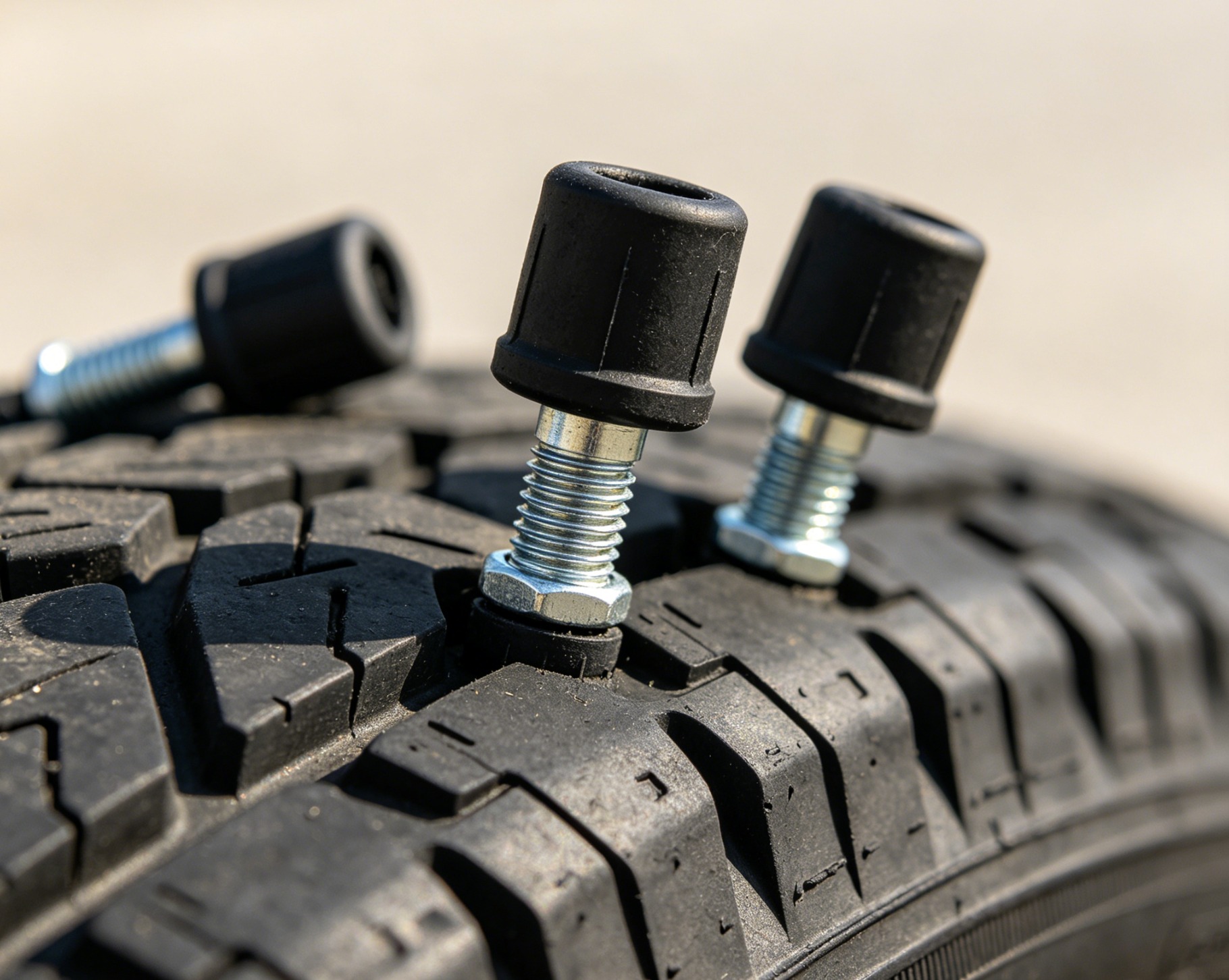
Brass valves consistently outperform rubber valves in longevity tests conducted under controlled laboratory conditions. The following comparison highlights key performance differences:
| Characteristic | Brass Valve | Rubber Valve |
|---|---|---|
| Average Lifespan | 10-15 years | 3-5 years |
| Temperature Range | -40°F to 250°F | -20°F to 180°F |
| Maximum Pressure | 200 PSI | 80 PSI |
| Replacement Frequency | With tire replacement | Every 2-3 tire changes |
| Corrosion Resistance | Excellent | Good (degrades over time) |
| UV Resistance | N/A (enclosed) | Poor without protection |
The lifespan gap between brass and rubber valves becomes particularly significant for vehicles operating in extreme climates. Rubber materials experience accelerated degradation when exposed to ultraviolet radiation, road salt, and ozone, all common environmental factors in many regions. Brass, being an inert metal alloy, resists these degrading influences effectively. Professional automotive technicians often recommend brass valves for vehicles stored outdoors or operated in coastal regions where salt exposure is inevitable.
Environmental Factors Affecting Valve Longevity
Several environmental variables influence how long either valve type will function effectively before requiring replacement.
- Temperature fluctuations cause repeated expansion and contraction cycles that stress rubber materials more than metal
- Ultraviolet exposure breaks down polymer chains in rubber compounds, causing cracking and hardening
- Chemical exposure from road salt, brake fluid, and cleaning agents accelerates rubber deterioration
- Ozone pollution reacts with unsaturated rubber compounds, leading to surface oxidation and embrittlement
- Mechanical vibration from unbalanced wheels creates micro-movements that fatigue rubber housings
Vehicles operated predominantly on highway surfaces typically experience longer rubber valve lifespan compared to those frequently driven on rough terrain. The constant off-road vibration creates additional mechanical stress that compounds rubber fatigue. Fleet managers operating vehicles in industrial environments should consult the Web Content Accessibility Guidelines when selecting valve replacement materials to ensure consistent performance across their entire vehicle population.
Cost Analysis: Initial Investment vs Long-Term Value
Rubber snap-in valves cost between $2-5 per unit in bulk quantities, while brass valve stems typically range from $8-15 each. This price differential represents a significant factor for individual vehicle owners, but the total cost of ownership tells a different story. Rubber valves require replacement approximately every 50,000 miles under normal driving conditions, while brass valves often remain functional for the full 60,000-80,000 mile tire lifespan.
When accounting for labor costs associated with valve replacement during tire mounting services, the cumulative expense of using rubber valves over a vehicle’s lifetime often exceeds the initial savings. Professional tire installation typically charges $15-30 per wheel for valve replacement when mounting new tires. Over a 200,000 mile vehicle lifespan, this could represent $120-240 in additional service costs compared to a single brass valve installation.
When to Replace Tire Valves: Signs and Recommendations
Visual inspection of tire valves should occur during regular tire pressure checks, ideally monthly. Signs indicating valve replacement is necessary include visible cracks or deformation in rubber housings, corrosion buildup around brass valve bases, and difficulty maintaining tire pressure between checks.
Professional mechanics recommend proactive valve replacement under the following circumstances:
- When installing new sets of tires, replace rubber valves even if they appear intact
- After any tire service involving removal from the wheel, inspect valve seating surfaces
- When tire pressure warning lights activate without apparent cause, check valve seating
- Following any impact to the wheel, such as hitting a significant pothole
- During seasonal tire changes, replace rubber valves with the off-season tire set
Brass valves should be inspected for corrosion at the base seating surface during each tire service. If corrosion has begun forming, the valve should be replaced to prevent potential leakage paths. Some automotive professionals recommend applying anti-seize compound to brass valve threads during installation to facilitate future removal and prevent galvanic corrosion between dissimilar metals.
Making the Right Choice for Your Vehicle
For passenger vehicles operated under normal conditions, rubber snap-in valves provide adequate performance at an accessible price point. These valves work well for vehicles with standard tire pressure requirements and typical driving patterns. However, for trucks, SUVs, and vehicles operating under higher load conditions, brass valve stems offer meaningful advantages that justify their higher initial cost.
Commercial fleet operators should consider the total maintenance implications when specifying valve materials. The National Institute of Standards and Technology provides guidance on establishing preventive maintenance schedules that can incorporate valve inspection intervals, helping reduce unexpected breakdowns and associated costs. For any vehicle where consistent tire pressure is critical to operational safety, brass valves represent the more prudent choice.
Conclusion: Which Valve Lasts Longer?
Brass tire valves definitively last longer than rubber valves, with service lives typically extending 3-5 times longer under identical operating conditions. While rubber valves serve adequately for standard passenger vehicle applications, their limited lifespan and vulnerability to environmental degradation make them a less economical choice over extended vehicle operation periods. For drivers prioritizing long-term value and minimal maintenance requirements, brass valve stems provide superior performance and should be considered the standard choice when tire replacement occurs. The initial investment in brass valves pays dividends through reduced service frequency and improved reliability throughout the tire’s operational life.
Frequently Asked Questions
Can I replace a rubber valve with a brass valve on my vehicle?
Yes, in most cases you can upgrade from rubber snap-in valves to brass valve stems, but you must verify that your wheel is designed for the specific valve type. Some aluminum wheels with low-pressure tire requirements use rubber valves specifically because they provide a better seal on certain wheel materials. Consult your vehicle owner’s manual or a certified mechanic before making the switch.
Why do my rubber tire valves keep cracking?
Rubber valve cracking typically results from a combination of UV exposure, age hardening, and chemical attack from road salt or petroleum products. Vehicles parked outdoors experience accelerated rubber degradation compared to garage-kept vehicles. If cracking occurs before 50,000 miles, consider switching to brass valves or parking your vehicle away from direct sunlight when possible.
How often should tire valve cores be replaced?
The removable valve core inside either brass or rubber valves should be replaced every time the tire is dismounted or if any air leakage is detected at the valve location. The core itself is inexpensive (under $1) and takes seconds to replace during routine tire service. Some mechanics recommend replacing cores preventively during every tire rotation.
Do brass valves corrode over time?
Brass valves can develop surface corrosion, particularly when exposed to moisture and dissimilar metals in aluminum wheels. This cosmetic corrosion rarely affects sealing performance but can make future removal difficult. Applying a small amount of anti-seize lubricant during installation helps prevent galvanic corrosion and facilitates removal years later.
Post time: Jun-13-2026