



Choose a high-temperature valve stem for a mining or off-the-road (OTR) tire only after the rim interface, valve system, and pressure and temperature limits have been verified for the complete installed assembly. Ask for the approved stem, core, seals, cap, and any required extension by part number. A heat-resistant core or a metal stem is only one piece of that decision. If the supplier cannot document the duty and the approved combination, keep the proposed kit out of the fleet’s approved stock list.
- Start with the rim drawing and approved valve system before comparing stem materials or bends.
- Verify the pressure available at the expected temperature for the specific assembled valve and accessories.
- Use component ratings for their named components and request evidence for the complete configuration.
- Keep abnormal tire heating in the mine’s safety response process, regardless of a valve’s rating.
What does “high temperature” need to mean in the quotation?
Give bidders a duty description from the fleet or tire engineering team. Name the wheel position, vehicle model, rim and tire reference, and the approved pressure basis. For temperature, identify the relevant location, normal exposure, and any short-duration limits the OEM allows. A temperature recorded by an internal sensor and a temperature measured near a valve are different observations. Tell the supplier which one was measured, where, and under what conditions. Ask the supplier to explain how its data apply to the temperature relevant to its part.
Confirm pressure and temperature as a pair because the highest published pressure and highest published temperature may come from different conditions. Request a documented operating envelope or written application approval. Ask whether the claim is for continuous duty or a defined excursion, whether the test involved exposure while pressurized, and what leak or other acceptance criteria were applied. Check the rim, tire, and equipment maker’s operating requirements independently. The valve quote cannot establish a new permitted pressure for the tire and rim assembly.
Keep fleet temperature records tied to the wheel position
Two trucks of the same model can be assigned to different routes, and a record taken at the end of a shift may miss what happened during the route. Ask fleet engineering to summarize the expected operating duty, measurement location, and duration from its approved monitoring process. Put this profile beside the equipment maker’s limits and the valve supplier’s evidence. If the measured variable is air temperature from a sensor in the tire cavity, record it as such. Ask engineering to determine whether that measurement represents the relevant valve and seal exposure before the buyer uses it as a component requirement.
For a replacement proposed for several sites, make each site’s approval explicit. A quarry wheel with a particular stem and cap may be installed where the service chuck has direct access, while another assembly uses a different guard and needs an approved extension. Share the candidate only after verifying fit and duty for both. The resulting record should say which combinations can be sold together and which need separate order codes.
Use the fleet’s emergency procedure for abnormal heat or suspected tire damage because valve qualification does not address the hazards of an overheated tire assembly. Refer the incident to trained site personnel and follow the mine’s isolation and escalation process. The U.S. Mine Safety and Health Administration’s Tire and Rim Safety Awareness Program explains that heat can lead to decomposition within a tire and that the danger may continue after the heat source is removed. Keep routine product qualification out of an emergency response.
Which parts should a distributor verify as a system?
Require a drawing and a parts list for the proposed assembly. Identify the rim connection, the bore family, and the core and cap interfaces. A metal stem still uses sealing components. A grommet at the rim, an O-ring at a swivel connection, and a seal inside a core serve different interfaces. The applicable assembly limit depends on the approved combination and its service conditions.
| Component | What to request | What the buyer can verify |
|---|---|---|
| Stem and rim connection | Part number, drawing revision, base type, geometry, and approved rim interface. | The quoted part seats at the intended location and can be accessed using the approved service arrangement. |
| Core and seat | Bore family, thread and seat compatibility, core identifier, and applicable conditions. | The core matches the specific housing and the supplier’s performance evidence. |
| Grommet or O-ring | Part code, location, and performance evidence for the stated exposure. | The supplied seal is the one used for approval and sits at the intended interface. |
| Cap and extension | Whether the cap seals or protects, extension type, installed fit, and approval for the configuration. | The final assembly remains accessible and clear of surrounding hardware at the named wheel position. |
| Complete assembly | Approved parts list and test or qualification evidence, with pressure, temperature, and acceptance criteria. | The order, sample, and bulk delivery represent the same evaluated build. |
Verify the core and cap interfaces separately because the external accessory connection and internal core seat serve different functions. A fitting that appears to match one interface may still be wrong for the system. Haltec’s large-bore guide illustrates arrangements made from a rim spud, a swivel valve and seal, and extensions as applicable. Its core listing distinguishes a standard-bore heat-resistant core from long and short large-bore cores. Use those examples to define what to request from the chosen supplier. Keep the approved interfaces and components together in the order.
Choose the stem bend and extension for the mounted wheel because an acceptable rim connection can still leave the service end inaccessible. Ask the wheel team to review the complete configuration from the drawing, including nearby guards, access paths, and service tooling. If an extension is needed, include its joints, seals, and any mounting provision in the review. Assess each axle or wheel position separately. A configuration evaluated on an outer wheel may need a different approved arrangement elsewhere on the truck.
How can you use Fortune’s catalog without assuming OTR compatibility?
The Fortune tire valve range is a starting point for identifying candidate families. Its TR570 Series product page describes metal clamp-in valves for trucks and buses and lists a nominal rim hole of 16 mm (0.625 in, as shown in the catalog). Its parts table names the core, grommet, washer, nut, and cap for individual references. For example, the TR570 row identifies core 9002# and grommet RG15. This is an example of what a component-level listing looks like. The page does not publish a complete high-temperature OTR rating for that configuration.
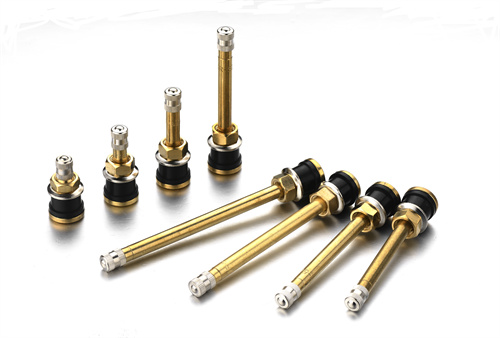
Keep a truck or bus catalog reference out of the approved mining kit unless the supplier and equipment documentation support the exact application. A familiar series name and similar dimensions establish only a starting point. For a new sourcing request, specify the approved rim and valve system and ask which drawing and part numbers the supplier is proposing. Require supporting evidence for any compatibility or temperature claim before listing the kit for that fleet.
What evidence should be on file before the first order?
Approve a controlled assembly list with the test record because a result for a core, seal, or other variant may not apply to the kit you receive. Ask for the report identifier, tested part numbers and revisions, installation configuration, pressure and temperature exposure, and pass criteria. Where the quote relies on a different rim, seal, or extension from the tested assembly, have the fleet engineering team review the difference and decide what further evidence is needed. If thermal cycling or environmental exposure is material to the duty, agree in advance what qualification and sample checks the supplier will provide.
Review the proposed inspection and traceability plan for bulk deliveries. Match the drawing and purchase order to the packaging labels and list which individually replaceable service parts the distributor can sell. If the supplier proposes a seal compound change or different core source, require the agreed notice and review before release. Ask how lot references will be retained if the distributor breaks a bulk pack into service kits.
Approve the replacement kit as it will be packed because the correct stem can be shipped with the wrong service hardware. Check the incoming carton against the qualified list for the core, cap, grommet or O-ring, and any specified hardware. Record which sealed lots were used in repacking. If a supplier changes a part number, ask for the written replacement mapping and any limitations before treating the old and new boxes as equivalent. Give warehouse staff a way to hold a mixed or unidentifiable pack pending review.
One useful counter check is a mock return. Suppose a site reports pressure loss on several wheels after replacing an extension. Capture the wheel position, part and lot identifiers, configuration, service history, and the fleet’s recorded operating conditions. Have trained tire personnel determine the affected interface under the site’s approved procedure. Keep parts under investigation traceable to the order so that a supplier review can establish what was shipped. A shared symptom can justify a targeted hold while the cause is assessed.
Use qualified personnel and the equipment maker’s service instructions for inspection, installation, and testing on actual wheels. In U.S. settings where it applies, OSHA’s rim wheel servicing standard covers training and servicing procedures for specified large vehicle wheel assemblies. At mines, check the applicable mine safety rules and site procedures. The MSHA tire and rim safety card addresses component matching and precautions for mine service. Confirm which requirements govern the site and equipment.
What should you send with an OTR valve inquiry?
Send the rim drawing or exact rim part number, wheel position, current approved valve reference, equipment and tire model, and the fleet’s documented operating conditions. List the required kit contents and whether an extension or sealing cap is included. Ask for the proposed bill of materials, drawing, rating basis, and evidence for any replacement mapping. Put the approved configuration and revision on the stock record so the counter can identify what to issue when the original buyer is unavailable.
Give the purchasing team a simple rule for missing evidence. Keep an OTR valve quote open when the core or seal is unspecified, even if the stem is fully identified. If it proposes a complete kit with an operating limit below the documented duty, return it to the supplier for a different approved configuration. If two approved quotations are available, compare them on what each kit includes, whether service parts are separately traceable, and how substitutions will be handled after the first order.
Frequently asked questions
Does a metal valve body make a stem suitable for high temperature service?
The stem material is one part of the specification. Verify the assembled rating and the approved core, seals, and accessories at the intended pressure and temperature.
Can I fit a heat-resistant standard-bore core into a large-bore valve?
Confirm the specific bore family, thread, and seat with the valve system’s documentation. The core’s thermal description alone does not establish fit or approval.
How do I verify a valve for a multi-piece rim?
Use the exact rim and equipment reference and the applicable manufacturer documentation. Have trained personnel verify the approved assembly and follow the rules that apply to the site.
What does a high-temperature test report need to show?
Check the part numbers and installed configuration, exposure conditions, pressure, duration, and acceptance criteria. Verify that it covers the combination you plan to order.
Does the Fortune TR570 listing specify a mining OTR temperature rating?
It identifies a truck and bus valve family and lists dimensions and hardware references. Ask for suitable model-specific evidence when sourcing for a mining OTR application.
Can I use a high-temperature valve to address an overheated tire?
Treat abnormal heating as a tire and wheel safety event and follow your site’s emergency procedure. A valve operating rating is for selection within approved service conditions.
Post time: Nov-27-2026