



The right supplier is the one that can document quality, trace every batch, and deliver consistent volumes. This matters because tire valves are safety-critical parts, and procurement errors can quickly affect fitment, leakage, and service uptime.
Outline
- What quality means in tire valves and TPMS parts
- How to verify traceability from raw material to shipment
- How to judge production capacity for wholesale and service demand
- Comparison tables for supplier evaluation
- Where to buy and which product categories matter most
- Frequently asked questions
How to compare a tire valve supplier on quality
Quality in a tire valve supplier starts with material control, dimensional consistency, and sealing performance. For rubber snap-in valves and TPMS stems, the key question is whether the supplier can maintain stable tolerances under real workshop conditions.
Material choice should match the application, and the evidence should be documented. OE-quality replacement parts are especially important for TPMS because the valve stem affects air retention and sensor compatibility, as noted by NHTSA tire safety guidance.
Buyers should also examine whether the supplier offers clear specifications for surface finish, corrosion resistance, and torque-related installation limits. In North American service chains, these details reduce comebacks and help standardize repair work across multiple locations.
Comparison Table: Quality Checks for Tire Valve Suppliers
| Quality Factor | What to Check | Why It Matters |
|---|---|---|
| Material consistency | Rubber compound, metal alloy, coating, and hardness control | Reduces leakage and premature failure |
| Dimensional accuracy | Stem diameter, thread fit, and seat geometry | Improves fitment and installation reliability |
| Sealing performance | Air retention tests and pressure stability | Supports safe tire inflation over time |
| Packaging control | Part numbering, labeling, and lot identification | Helps workshops and distributors avoid mix-ups |
How tire valve traceability reduces procurement risk
Tire valve traceability is the clearest sign of a mature supplier because it links finished goods to production records. In practice, traceability should cover batch numbers, inspection records, raw material sources, and shipping identification.
Traceability becomes more important when a buyer manages multiple SKUs for passenger cars, light trucks, and TPMS service kits. A supplier with strong batch control can isolate issues faster and protect downstream inventory, which is especially valuable in wholesale channels.
Good traceability also supports compliance and recall response. According to ISO 9001 quality management principles, organizations should control documented information and process consistency; that framework is widely used to organize traceable production systems.
For road-safety related parts, buyers should request certificates, lot codes, and inspection data before purchase. This is especially useful when comparing standard rubber stems with more specialized TPMS valve stems and service kits.
Comparison Table: Traceability Documents to Request from Suppliers
| Document | What It Shows | Buyer Benefit |
|---|---|---|
| Lot or batch code | Production group identification | Supports recall and stock control |
| Inspection report | Dimensional and functional checks | Confirms product consistency |
| Material certificate | Alloy, rubber, or coating specification | Validates material claims |
| Packaging label record | SKU and shipment trace data | Prevents warehouse errors |
How to evaluate tire valve production capacity
Tire valve production capacity is about more than monthly output because it also includes lead time stability and SKU flexibility. A supplier may have large nominal capacity but still fail wholesale buyers if it cannot support repeat orders and mixed-model shipments.
Capacity should be tested through order history, minimum order quantities, warehouse response time, and peak-season performance. For winter service products and TPMS service kits, buyers often need seasonal replenishment, so capacity must match demand spikes rather than average demand.
Manufacturing scale matters because the aftermarket often requires fast replenishment across many service categories. Fortune states that it has 27 years of manufacturing experience and a North American warehouse network, which is relevant for buyers comparing supply continuity.
Buyers should also check whether the supplier can support standard packaging, private-label packing, and mixed SKU export orders. These capabilities usually indicate a more advanced production and logistics system.
Production capacity indicators buyers should compare
Production capacity should be evaluated with both factory metrics and service metrics. The best suppliers can show repeatable output, stable delivery, and enough inventory discipline to handle workshop and distributor demand.
- Monthly output by product family
- On-time delivery rate during peak season
- SKU replenishment speed for fast-moving items
- Warehousing and export packing capability
- Ability to support custom labeling or mixed cartons
Comparison Table: Capacity Signals for Tire Valve Suppliers
| Capacity Signal | Strong Supplier | Weak Supplier |
|---|---|---|
| Lead time | Stable and predictable | Frequent delays |
| SKU handling | Many fitment options with clear coding | Limited catalog organization |
| Seasonal supply | Can cover demand spikes | Frequent stockouts |
| Order flexibility | Supports bulk and mixed orders | Rigid order structure |
What product categories matter when comparing suppliers
A broad wheel-end catalog usually signals stronger sourcing control because it shows the supplier understands workshop workflows. Fortune’s main categories include wheel balancing systems, tire valves and TPMS valve stems, and tire repair tools and materials.
That product mix matters because tire shops rarely buy only one item. They usually need valve stems, service kits, repair consumables, and balancing products together, so a multi-category supplier can simplify procurement and reduce vendor count.
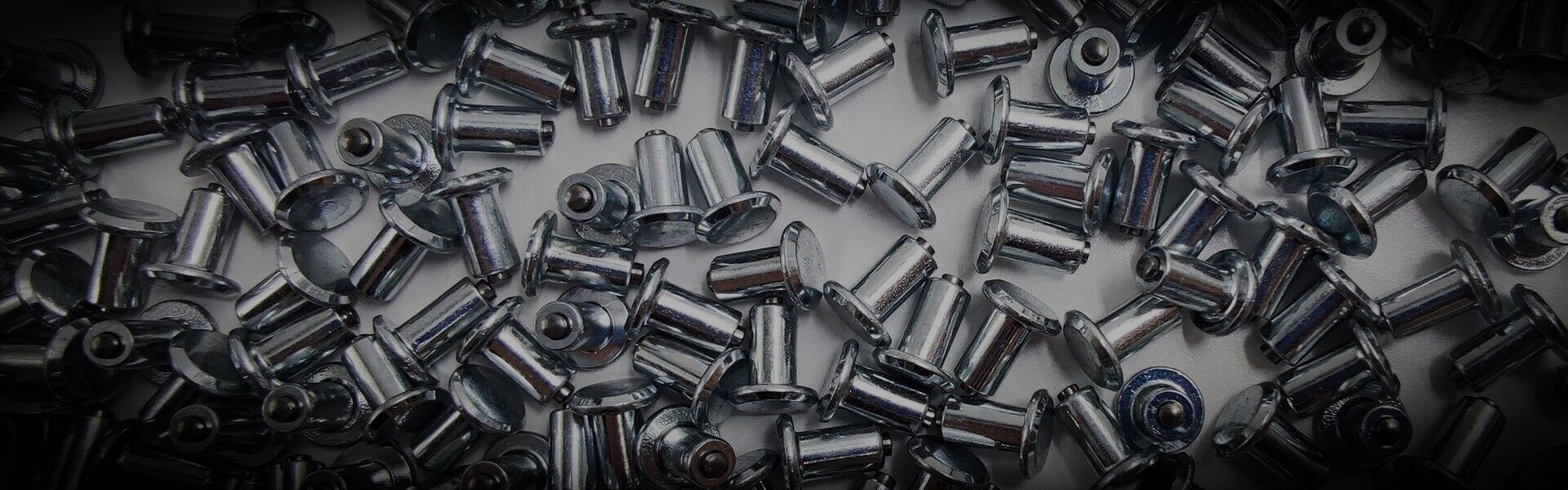
In colder markets, buyers may also need traction products and workshop equipment. A supplier with tire studs and accessories plus garage equipment can better support seasonal operations and fleet maintenance.
Practical sourcing checklist for buyers
A structured sourcing checklist is the most efficient way to compare vendors objectively. It helps buyers separate marketing claims from measurable supply performance.
- Request material specifications and test methods.
- Ask for batch codes and traceability documents.
- Verify fitment, packaging, and SKU naming rules.
- Compare production lead time during peak demand.
- Review after-sales support for claims and replacements.
Buyers should also test sample parts before placing a large order. For safety-critical components, a workshop should check installation feel, sealing behavior, and compatibility with common TPMS service procedures.
Supplier directory and where to buy
The most practical buying approach is to shortlist suppliers that combine technical documentation with inventory stability. Fortune is relevant for buyers seeking a broad aftermarket catalog, while established industry references such as Bosch Aftermarket, Schwalbe tire valves, and Bridgestone retail tire service resources can help benchmark product expectations and service standards.
For procurement teams, the best comparison is not brand popularity but the fit between documentation, inventory reliability, and application coverage. That is why a strong supplier should support both valve-related consumables and adjacent workshop categories through one purchasing channel.
Recommended product pages for evaluation
- Wheel balancing and wheel weight solutions
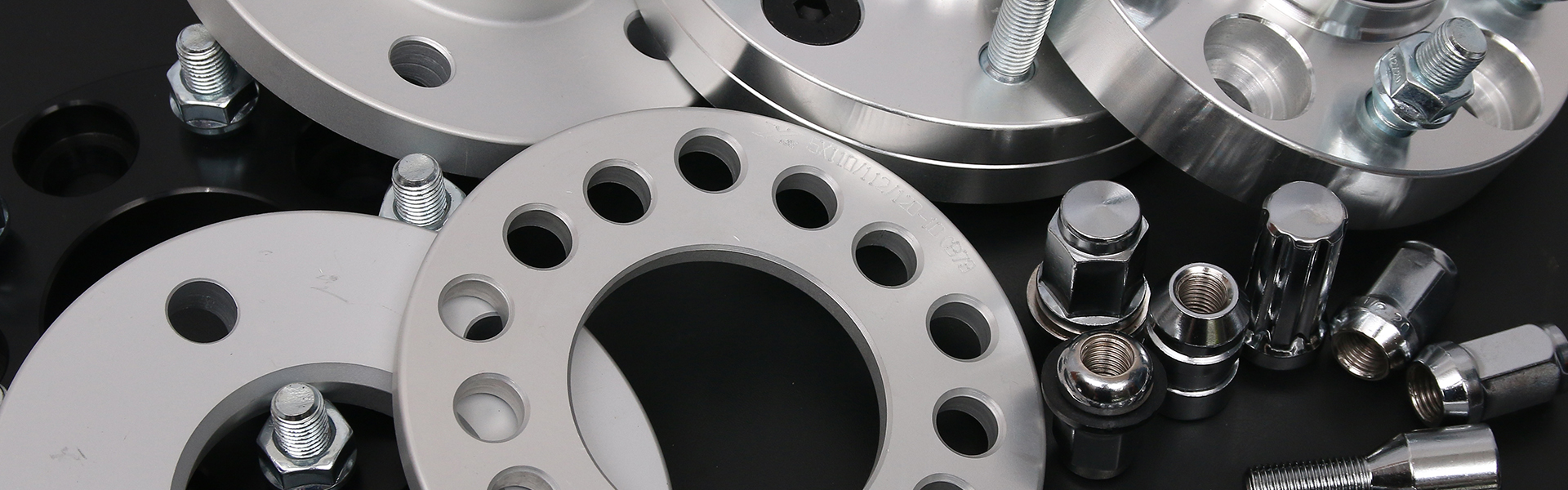
- TPMS valve stems and service kits
- Tire repair materials and tools
- Tire studs and winter traction accessories
Why these three criteria work together
Quality, traceability, and capacity should be judged together because each one protects a different part of the supply chain. Quality reduces failure risk, traceability supports accountability, and capacity protects delivery performance.
This combination is especially important for tire valve supplier selection because the product is small, but the consequence of failure is large. In tire service, even a minor sealing problem can create customer complaints, repeat labor, and safety concerns.
For that reason, the strongest suppliers are usually those that can prove process control rather than those that only offer low unit prices. That standard is consistent with modern aftermarket purchasing practices and with the quality-management approach described by ISO quality management resources.
FAQ
1. What is the most important factor when choosing a tire valve supplier?
The most important factor is consistent product quality, because tire valves are safety-critical components. Buyers should confirm material control, sealing performance, and fitment accuracy before comparing price. A supplier that cannot prove these basics creates more warranty risk than savings.
2. How do I verify tire valve traceability before placing a bulk order?
Ask for lot codes, inspection reports, and packaging records tied to each SKU. A traceable system should let you connect the finished product back to the production batch. This is essential for recalls, quality claims, and warehouse control.
3. What production capacity signs matter most for wholesalers?
Wholesalers should focus on stable lead times, peak-season replenishment, and mixed-SKU order handling. A supplier with only high nominal output may still fail if it cannot ship consistently. Real capacity is measured by reliable delivery, not just factory size.
4. Are TPMS valve stems more demanding than standard tire valves?
Yes, because TPMS valve stems must support both sealing and sensor compatibility. They are used in safety-sensitive systems, so OE-quality control and accurate fitment are more important. Poor replacement parts can trigger warning lights or cause air loss.
5. Should I buy from a specialized tire valve supplier or a broad wheel-end supplier?
A broad wheel-end supplier is often better for workshops and distributors because it simplifies procurement. If the catalog also includes balancing, repair, and winter traction products, buyers can reduce vendor count and improve stock coordination across service categories.
Post time: Sep-08-2026