



When selecting tire maintenance components, vehicle owners face a choice between traditional rubber valve stems and modern Tire Pressure Monitoring Systems. This comparison examines functionality, regulations, and practical considerations to help determine which option suits specific driving needs. Understanding the differences between these systems ensures optimal tire pressure management and compliance with vehicle safety standards.
What Are Rubber Tire Valve Stems?
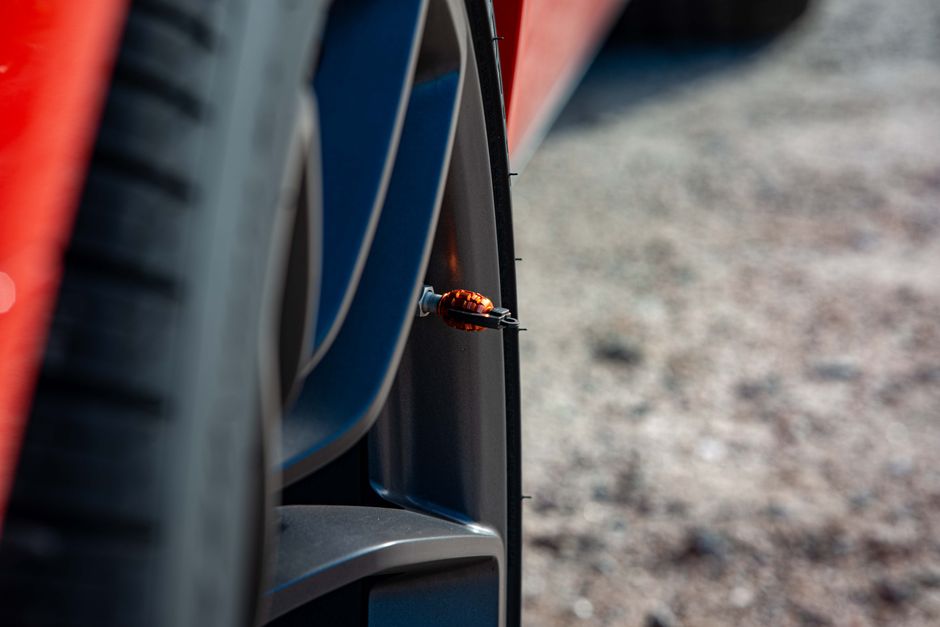
Rubber tire valve stems are the traditional components that allow air to enter and exit tires. These stems consist of a rubber or chlorobutyl material that seals against the wheel rim while providing an access point for inflation. Standard rubber valve stems have been used in vehicles for decades and remain common in older models and budget-conscious applications. The simplicity of these components makes them easy to replace and maintain with minimal technical knowledge.
Rubber valve stems typically last between five and ten years depending on environmental conditions. Exposure to ultraviolet light, extreme temperatures, and road salt accelerates rubber degradation. Most automotive experts recommend inspecting rubber valve stems during routine tire rotations to identify cracks or hardening before failure occurs.
Understanding TPMS Technology
TPMS stands for Tire Pressure Monitoring System, an electronic device that continuously monitors tire air pressure. The United States government mandated TPMS installation on all passenger vehicles manufactured after 2007 under Federal Motor Vehicle Safety Standard 138. This regulation aimed to reduce accidents caused by under-inflated tires, which contribute to approximately 600 fatalities annually according to National Highway Traffic Safety Administration data.
There are two primary TPMS types: direct and indirect systems. Direct TPMS uses pressure sensors mounted inside each tire to measure actual air pressure in psi or bar units. Indirect TPMS relies on wheel speed sensors to detect differences in rotational speed, which indicate pressure loss. Direct systems provide more accurate readings and meet regulatory requirements more reliably than indirect alternatives.
Key Differences in Functionality
Rubber valve stems serve a single function: they provide an air access point for inflation and deflation. These components cannot alert drivers to pressure changes between inflation sessions. Vehicle owners must manually check tire pressure using a gauge, typically recommended every month and before long trips.
TPMS provides continuous monitoring with real-time alerts when pressure drops below the recommended level, typically 25% below the vehicle manufacturer’s specification. Most direct TPMS systems display current pressure readings on the dashboard, allowing drivers to identify which specific tire requires attention. This immediate feedback prevents extended driving on under-inflated tires, reducing tread wear and improving fuel efficiency.

Installation and Replacement Considerations
Rubber valve stem replacement represents a straightforward maintenance task that most vehicle owners can perform with basic tools. The process involves removing the wheel, extracting the old stem from the rim, and inserting a new unit before reinstallation. Average DIY replacement costs range from five to fifteen dollars per stem, with professional installation adding approximately twenty to thirty dollars labor per wheel.
TPMS sensor replacement requires more technical expertise and specialized equipment. Each sensor costs between forty and one hundred dollars, plus additional fees for relearning procedures that sync the sensors with the vehicle’s computer system. When replacing TPMS sensors, drivers should budget for total costs between three hundred and six hundred dollars for a complete four-tire set. Professional installation ensures proper calibration and prevents damage to the sensor electronics during mounting.
Durability and Lifespan Comparison
Rubber valve stems deteriorate faster than many vehicle owners realize. Environmental factors significantly impact longevity, with extreme heat, cold, and chemical exposure causing rubber to crack and leak. Most manufacturers recommend replacing rubber valve stems every four to six years as preventive maintenance, regardless of apparent condition.
TPMS sensors generally offer longer service life, with most units functioning reliably for seven to ten years or approximately 100,000 miles. Battery technology limitations affect TPMS longevity, as sensors contain non-replaceable batteries designed to outlast typical ownership periods. When battery failure occurs, the entire sensor unit requires replacement rather than battery swap. Some jurisdictions require TPMS functionality testing during vehicle inspections, making sensor maintenance legally important in certain areas.
Cost Analysis: Short-Term and Long-Term
Initial costs favor rubber valve stems significantly over TPMS systems. A complete set of four rubber stems costs under fifty dollars, while TPMS sensor replacement can exceed five hundred dollars. However, long-term cost analysis requires considering tire maintenance implications and safety benefits.
Proper tire pressure maintenance extends tire lifespan by approximately 25% according to industry studies. TPMS encourages consistent pressure monitoring, potentially saving hundreds of dollars in premature tire replacement over vehicle ownership. Additionally, improved fuel efficiency from properly inflated tires saves an average of 3.3% on fuel costs annually, providing ongoing savings that partially offset higher initial TPMS expenses.
When to Choose Rubber Valve Stems
Rubber valve stems remain appropriate for several vehicle categories and user preferences. Classic car restoration projects often favor original equipment aesthetics, and rubber stems maintain vintage authenticity. Budget-conscious owners willing to perform regular manual pressure checks may find rubber stems sufficient for their needs.
Off-road vehicles with beadlock wheels sometimes require specific valve stem configurations incompatible with standard TPMS sensors. Racing applications prioritize weight reduction, and the additional mass of TPMS sensors may affect performance in competitive scenarios. In these specialized cases, rubber valve stems provide practical advantages despite lacking monitoring capabilities.
When to Choose TPMS
Modern passenger vehicles manufactured since 2007 legally require functional TPMS in most jurisdictions. Choosing TPMS ensures regulatory compliance and simplifies vehicle inspection processes. Fleet operators benefit from centralized tire monitoring data, reducing maintenance overhead and preventing roadside emergencies caused by tire failure.
Drivers who infrequently check tire pressure receive the greatest benefit from TPMS technology. The automatic warning system compensates for human forgetfulness, providing safety assurance during daily commutes and highway travel. Parents of new drivers can particularly appreciate the additional monitoring layer that TPMS provides without requiring their teenager to remember manual checks.
Making the Final Decision
Choosing between rubber valve stems and TPMS depends on vehicle age, local regulations, and personal maintenance habits. For pre-2007 vehicles without existing TPMS, owners must weigh installation costs against perceived safety benefits. Many drivers find that TPMS installation pays for itself through extended tire life and fuel savings within two to three years of regular driving.
Regardless of chosen system, regular visual inspection remains essential. TPMS sensors can fail from physical damage, and rubber stems can develop slow leaks between monitoring events. Combining technology with periodic manual checks provides the most comprehensive approach to tire pressure management.
Conclusion
Rubber valve stems and TPMS serve fundamentally different purposes in vehicle maintenance. Traditional stems provide basic inflation functionality at low cost, while TPMS offers continuous monitoring and safety alerts. Most modern vehicle owners benefit from TPMS technology given regulatory requirements and demonstrated safety improvements. Those choosing rubber stems should commit to regular manual pressure monitoring to maintain safe operating conditions. Evaluating personal driving habits, vehicle specifications, and budget constraints helps determine the most appropriate choice for individual circumstances.
Frequently Asked Questions
Can I replace TPMS sensors with rubber valve stems?
No, TPMS sensors and rubber valve stems serve different functions and are not interchangeable. Rubber valve stems cannot monitor tire pressure, and removing TPMS sensors eliminates pressure monitoring capability. Most vehicles manufactured after 2007 require functional TPMS by law.
How often should TPMS sensors be replaced?
TPMS sensors typically last seven to ten years before battery failure. Most manufacturers recommend replacing sensors preventively at ten years or when tire replacement occurs, whichever comes first. Individual sensors may fail earlier due to physical damage or environmental factors.
Why is my TPMS warning light on despite correct tire pressure?
TPMS warning lights may illuminate due to sensor malfunction, battery depletion, or temperature changes affecting pressure readings. Approximately 1-2 psi fluctuation per ten-degree temperature change is normal. Persistent warning lights despite correct pressure require professional diagnosis.
Do TPMS sensors affect tire balance?
TPMS sensors add approximately one to two ounces of weight per wheel compared to standard valve stems. This minimal addition has negligible effect on tire balance when properly installed using weighted sensor stems or balance beads. Professional installation ensures correct balance procedures are followed.
Are aftermarket TPMS sensors compatible with all vehicles?
Not all aftermarket TPMS sensors work with every vehicle. Sensors operate on specific radio frequencies and use proprietary communication protocols. Vehicle-specific programming or relearn procedures may be required. Purchasing sensors designed for specific makes and models ensures compatibility.
Post time: Jun-07-2026