



For tire shops, wholesalers, distributors, and private-label brands, choosing the right wheel weight manufacturer is more than a sourcing decision. It affects balancing accuracy, installation speed, inventory complexity, customer satisfaction, and long-term margin. If your business is growing, the manufacturer you choose must do more than supply product today—it must be able to scale with your order volume, packaging needs, market requirements, and OEM or private-label demands.
This guide explains what to look for in a wheel weight factory, how to compare product types, and what matters most when sourcing OEM wheel weights for different vehicles and markets. Whether you serve repair shops, tire chains, fleet maintenance operations, or regional distributors, the goal is the same: find a manufacturing partner that supports quality, flexibility, and growth.
Why Wheel Weights Matter in the Tire Service Business
Wheel weights are essential consumables in tire balancing. Their core function is to correct uneven mass distribution in the wheel and tire assembly, reducing vibration, steering shake, uneven wear, and customer complaints after installation. In practice, wheel weights are one of the most frequently used items in any tire service workflow.
Because wheel balancing is a routine part of tire installation and maintenance, the product must be consistent, accurate, and easy to install. A reliable wheel weight supplier helps shops maintain service speed and repeatability, while a weak supplier can create balancing errors, warranty claims, and wasted labor.
Types of Wheel Weights and Their Applications
Different vehicles and wheel designs require different weight styles. A scalable manufacturer should offer a complete product range, not just one category.
1. Clip-On Wheel Weights
Clip-on weights are commonly used on steel wheels. Installation depends on the rim edge structure, so the shape and lip design of the wheel matter. These weights are favored in many traditional repair environments because they are fast to install and durable when properly matched to the wheel.
2. Adhesive Wheel Weights
Adhesive wheel weights are more commonly used on the inner barrel of aluminum wheels. They provide a clean appearance and are suitable for many modern passenger vehicles. For best performance, the adhesive layer and coating stability are critical. Inconsistent tape can cause installation failure, especially in hot, cold, or humid conditions.
3. Zinc Alloy Wheel Weights
Zinc alloy weights are often considered a lead-free alternative and are widely used in markets with stricter environmental or regulatory requirements. If your business sells into eco-sensitive regions or works with compliance-driven customers, zinc alloy options should be part of your core offering.
4. Lead Wheel Weights
Lead wheel weights still have broad use in traditional repair systems. Their key advantages are familiarity, stable specifications, and proven balance performance. When sourcing lead weights, consistency in segment weight, tape quality, and coating stability becomes especially important.
What Makes a Wheel Weight Manufacturer Easy to Scale With
Not every supplier can grow with your business. A manufacturer that serves your current orders may not be the right fit once your business expands into new channels, larger purchase volumes, or different product categories.
1. Strong SKU Standardization
Aftermarket channels depend heavily on SKU standardization, clear packaging specifications, and efficient inventory turnover. A scalable supplier should maintain a structured product model system so your team can reorder, stock, and distribute efficiently without confusion.
2. Flexible OEM and Private Label Support
If you plan to build your own brand, choose a manufacturer that can support OEM wheel weights with custom packaging, branding, barcoding, carton sizing, and language localization. Private-label capability is often a sign that the factory understands B2B business needs.
3. Stable Quality Control
Wheel weights need precise segment weight, stable adhesive performance, and durable coatings. A good factory should have clear QC procedures for weight tolerance, tape adhesion, corrosion resistance, and packaging integrity.
4. Large-Volume Production Capacity
As your order volume grows, you need a factory that can keep lead times stable. Ask about monthly output, raw material sourcing, and production scheduling flexibility. A supplier with expansion capacity will help you avoid stockouts during seasonal peaks.
5. Export Experience and Documentation
If you serve North America or other export markets, the factory should be familiar with shipping documentation, carton labeling, palletization, and local market expectations. This is especially important for distributors and tire chain customers who require predictable replenishment.
How Wheel Design and Vehicle Type Affect Product Selection
Wheel weight selection is not one-size-fits-all. The correct product depends on wheel material, rim profile, and the required balance correction.
- Rim material: Steel wheels often pair with clip-on weights, while aluminum wheels commonly use adhesive weights.
- Rim edge shape: The lip structure determines whether a clip-on design will seat properly.
- Balance requirement: Heavier corrections may require different segment configurations or more precise weight increments.
- Vehicle type: Passenger cars, SUVs, light trucks, and fleet vehicles may all use different balancing approaches.
The best manufacturers help buyers select the right product based on application rather than simply listing generic sizes.
Why Segment Weight Design Matters
Wheel weights are often sold in segmented form, and the segment weight design directly affects balancing precision and installation flexibility. The more clearly a weight is segmented, the easier it is for technicians to apply the correct amount without waste.
For B2B buyers, this matters because segment consistency reduces installation errors and improves shop efficiency. It also helps stores manage inventory better, since common balance increments can cover more vehicle types.

Beyond Wheel Weights: Related Products That Strengthen Your Catalog
Many buyers source wheel weights together with other tire service products because the same customer base needs multiple categories. If you are building a broader aftermarket portfolio, consider suppliers that also offer the following product lines.
TPMS Valves and TPMS Service Kits
Valve stems are safety-critical components. Aging, cracking, or seal failure can lead to slow leaks or sudden pressure loss. TPMS valves add another layer of importance because they must remain compatible with both sealing requirements and sensor systems.
A proper TPMS service kit usually includes the valve core, seals, grommets, washers, nuts, or related consumables needed for sensor maintenance. Since different sensor brands and vehicle models require specific kits, compatibility must be checked carefully. OE-quality standards are especially important in this category because fit and sealing directly affect driving safety.
Tire Studs for Winter Service
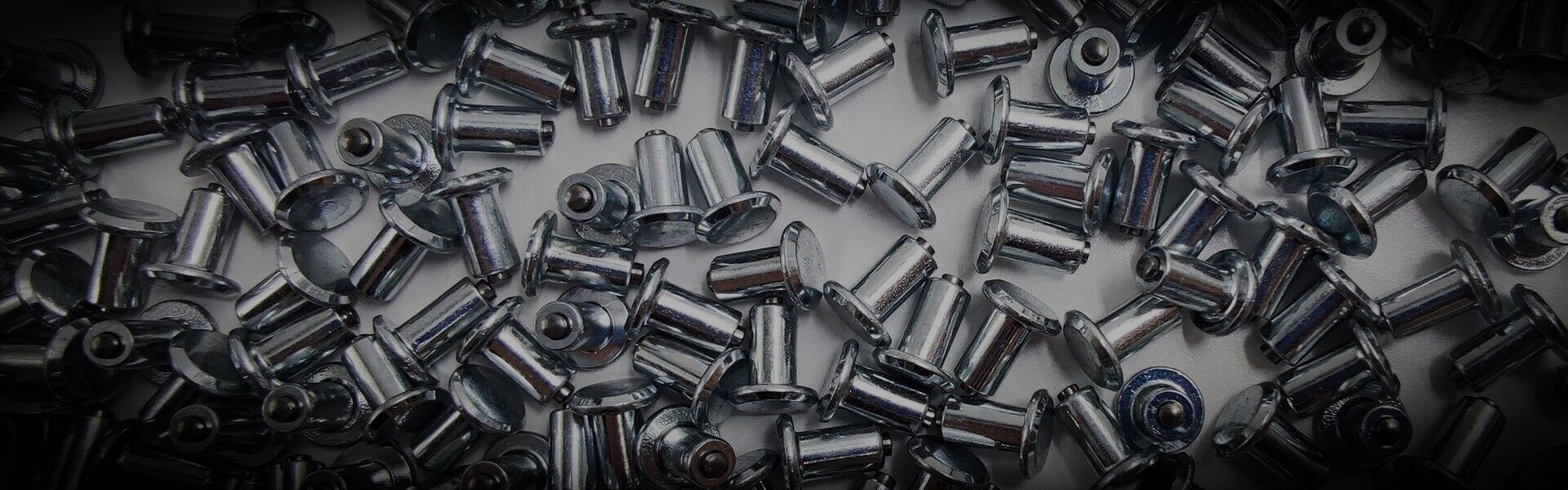
Tire studs are used mainly on icy and snowy roads to improve traction during acceleration, braking, and steering. Stud material influences wear resistance, traction life, and low-temperature performance. Common materials include steel, aluminum, and carbide.
Winter tire service often peaks alongside seasonal tire changes, which means tire studs and wheel weights can both experience strong seasonal demand. A supplier with multiple winter-related products can help you plan procurement more efficiently.
Tire Repair Materials
Repair materials depend on sealing performance, flexibility, and compatibility with the tire body. Patches, patch-plug combinations, and plug-style repairs are used for different puncture locations and damage sizes. A standard repair workflow usually includes tire removal, cleaning, buffing, patching, pressing, and final inspection.
If your customers are repair shops, pairing wheel weights with repair materials can improve basket size and create a more complete purchasing solution.
Tire Pressure Gauges
Tire pressure gauges are basic but high-frequency tools used for routine maintenance, diagnostics, and pre-delivery inspection. They are useful add-ons for distributors serving tire service centers and fleet operators.
Tire Changers, Wheel Balancers, Jacks, and Stands
Tire changers and wheel balancers are core shop equipment that determine work efficiency, consistency, and turnaround speed. Jacks and stands are essential lifting tools that directly affect service safety and stability. If you sell into shop equipment channels, these products can round out your offering alongside wheel weights.
Questions to Ask Before Choosing a Wheel Weight Factory
To identify a factory that can truly scale, ask practical questions that reflect your business model.
- What types of wheel weights do you manufacture?
- Can you provide both clip-on and adhesive options?
- Do you offer zinc alloy, lead, or other material choices?
- What are your segment weight tolerances?
- Can you customize packaging, labels, and cartons?
- What is your monthly production capacity?
- Do you support OEM wheel weights or private-label projects?
- Can you provide application guidance by wheel type?
- How do you test tape adhesion and coating durability?
- What lead times should we expect during peak season?
These questions help you filter out traders and inconsistent suppliers, and focus on real manufacturing partners.
How to Match the Right Manufacturer to Your Market
Different sales channels care about different factors. Understanding your customer base will help you choose the right wheel weight manufacturer.
For Tire Shops
Speed, availability, and product simplicity matter most. Shops want a compact SKU range, reliable adhesive or clip performance, and packaging that is easy to store and use.
For Distributors
Distributors need clear model systems, stable carton specifications, and broad compatibility. They also value predictable replenishment and support for mixed-product ordering.
For Retail Chains and Repair Networks
Brand consistency, packaging uniformity, and installation reliability are essential. These customers often want OEM-style supply and repeatable quality across multiple branches.
For Fleet Maintenance
Fleet buyers care about uptime and service consistency. A manufacturer that can supply repeat orders with minimal variation will be more valuable than one offering only low upfront pricing.
SEO and Catalog Strategy for B2B Buyers
If you are building product pages or category pages, search engines respond best to long-tail combinations such as product name + use case + compatibility + material + application scenario. For example:
- wheel weight manufacturer for aluminum rims
- OEM wheel weights for tire shop distribution
- clip-on wheel weights for steel wheels
- adhesive wheel weights for passenger cars
- zinc alloy wheel weights for lead-free markets
This approach helps your catalog pages rank for high-intent searches while also making your B2B offering easier to understand.
Why Fortune Wheel Parts Is a Strong Partner for Growing Buyers
At Fortune Wheel Parts, buyers can explore a broad range of wheel service products designed for aftermarket demand. For businesses that need a wheel weight supplier with scalable manufacturing, clear SKU systems, and support for OEM-style ordering, working with an experienced factory-backed partner can make sourcing simpler and more efficient.
Whether you are expanding into new regions, building a private label, or standardizing your current supply chain, choosing a supplier with product depth and manufacturing consistency can help you grow with confidence.
Final Checklist for Choosing the Right Wheel Weight Manufacturer
- Offers both clip-on and adhesive wheel weights
- Supports zinc alloy and lead options where needed
- Has stable segment weight accuracy and coating quality
- Can handle OEM wheel weights and custom packaging
- Maintains clear SKU and carton standards
- Understands vehicle and rim compatibility
- Has enough capacity to support seasonal spikes
- Provides export-ready documentation and logistics support
If a supplier checks these boxes, there is a strong chance they can scale with your business instead of limiting it.
FAQ
What should I look for in a wheel weight manufacturer?
Look for product range, quality consistency, OEM support, packaging flexibility, and production capacity. A scalable factory should also understand wheel compatibility and market-specific requirements.
Are clip-on wheel weights better than adhesive wheel weights?
Neither is universally better. Clip-on weights are commonly used on steel wheels, while adhesive weights are more common on aluminum wheels. The best choice depends on rim material, edge structure, and installation requirements.
Why are zinc alloy wheel weights important?
Zinc alloy wheel weights are often used as a lead-free alternative. They are a strong choice for markets where environmental regulations or customer preferences favor non-lead materials.
What makes OEM wheel weights different?
OEM wheel weights may involve stricter quality standards, customized packaging, and consistent specifications to match brand or customer requirements. They are especially useful for distributors and private-label programs.
How do I know if a wheel weight factory can scale with my business?
Ask about production capacity, lead times, SKU management, custom packaging, and export experience. A factory that can handle both small trial orders and larger repeat volumes is usually better positioned to scale.
Why is segment weight design important?
Segment design affects balancing precision and installation flexibility. Well-designed segments help technicians apply the correct weight more accurately and reduce waste.
Can I source other tire service products from the same supplier?
Yes. Many buyers source wheel weights together with TPMS valves, TPMS service kits, tire repair materials, tire studs, pressure gauges, and shop equipment to simplify procurement.
Post time: Sep-22-2026