





Tire Pressure Monitoring System (TPMS) valve stems and sensors are critical safety components in modern vehicles, continuously monitoring tire pressure to prevent accidents and improve fuel efficiency. This comprehensive guide covers everything vehicle owners and technicians need to know about TPMS technology, maintenance, and replacement in 2026. Understanding these systems helps ensure optimal vehicle performance, extends tire lifespan, and maintains compliance with federal safety regulations. For a comprehensive TPMS overview, vehicle owners can consult additional technical resources.

What Is a TPMS Valve Stem?
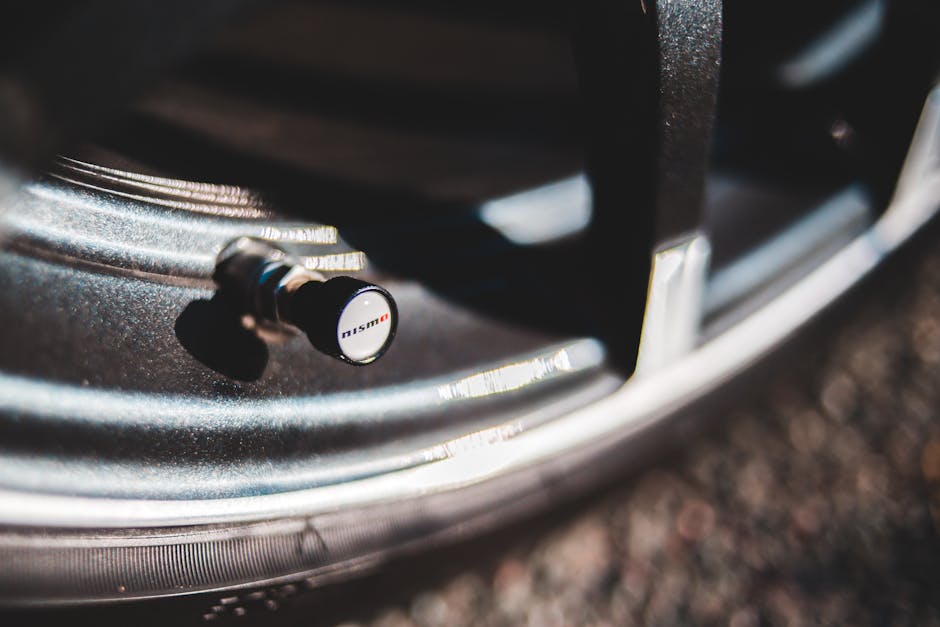
A TPMS valve stem is a specialized valve assembly installed in the wheel rim that houses the tire pressure monitoring sensor. These components serve a dual purpose: they allow air to be added or released from the tire while continuously measuring internal pressure. Modern valve stems are engineered to withstand extreme temperature fluctuations, chemical exposure from road salts, and physical stresses from road vibrations.
Traditional rubber valve stems typically last 5-7 years before requiring replacement due to material degradation. Metal valve stems, often made from aluminum or nickel-plated brass, offer superior durability with lifespans exceeding 10 years. The choice between these materials depends on vehicle type, driving conditions, and budget considerations.
Types of TPMS Sensors
Direct TPMS sensors measure tire pressure using a pressure transducer located inside the tire. These sensors transmit real-time pressure data to the vehicle’s onboard computer system via radio frequency signals. When pressure drops below the manufacturer’s recommended threshold (typically 25% below normal), the dashboard warning light activates immediately.
Indirect TPMS systems utilize the vehicle’s anti-lock braking system (ABS) wheel speed sensors to detect pressure changes. When tire pressure decreases, the tire’s diameter reduces, causing it to rotate faster than properly inflated tires. The system interprets this speed differential as a pressure loss. Indirect systems are less expensive but generally less accurate than direct measurement approaches.
How TPMS Technology Works
Direct TPMS sensors contain three primary components: a pressure sensor, a microcontroller, and a radio frequency transmitter. The pressure sensor detects tire pressure and converts this measurement into an electrical signal. The microcontroller processes this data and the transmitter sends it to the vehicle’s receiver module.
The vehicle’s onboard computer system continuously monitors pressure readings from all four (or five with spare tire) sensors. Most systems are programmed to trigger warnings when pressure falls below 75% of the recommended inflation level or rises above safe thresholds. Temperature compensation algorithms ensure accurate readings across varying environmental conditions.
Sensor batteries are typically designed to last 5-10 years, depending on usage patterns and environmental factors. Once battery depletion occurs, sensor replacement becomes necessary since most sensors are sealed units. This finite lifespan is a critical consideration when evaluating long-term maintenance costs.
Regulatory Standards and Requirements
The United States mandated TPMS installation on all passenger vehicles under 10,000 pounds beginning in 2008 under Federal Motor Vehicle Safety Standard (FMVSS) 138. This regulation requires systems to warn drivers when tire pressure falls 25% or more below the vehicle manufacturer’s recommended inflation pressure.
International standards organizations have also established TPMS performance guidelines. The ISO 69487 standard provides testing protocols for TPMS sensor durability, signal transmission reliability, and environmental resistance. These standards ensure consistent performance across different manufacturers and vehicle platforms.
Compliance with these regulations is mandatory for vehicle manufacturers, and aftermarket replacement sensors must meet equivalent performance specifications. Non-compliant sensors may trigger warning lights or fail to communicate properly with the vehicle’s computer system.
TPMS Valve Stem Replacement Process
Replacing TPMS valve stems requires specific procedures to ensure proper operation and prevent damage. The process begins with safely lifting the vehicle and removing the wheel from the automobile. Technicians must then deflate the tire completely before attempting stem removal to prevent bead seal damage.
Standard replacement steps include:
- Lift vehicle using appropriate jack points and secure with jack stands
- Remove wheel and deflate tire completely
- Break the tire bead seal using appropriate tire machine
- Remove old valve stem from rim using snap-in or clamp-in removal tool
- Install new valve stem, ensuring proper seating in mounting hole
- Remount tire and reseal bead using tire machine
- Inflate to specification and reset TPMS warning light
Professional installation is recommended for metal valve stems, as improper seating can result in air leaks or sensor damage. Many modern vehicles use snap-in rubber stems that experienced DIY mechanics can replace with basic tools and careful attention to procedures.
TPMS Sensor Programming and Relearning
Aftermarket replacement sensors typically require programming to match the vehicle’s unique identification codes. This programming process varies significantly between manufacturers and may require specialized diagnostic equipment. For detailed sensor programming procedures, consult technical documentation resources. Generic sensors must be programmed before installation, while some premium replacement sensors come pre-programmed for specific vehicle models.
After sensor installation, most vehicles require a relearn procedure to synchronize the new sensors with the TPMS control module. This process can be performed through the vehicle’s driver information center or using professional scan tools. Failure to complete relearning may result in warning lights remaining illuminated despite proper sensor function.
Maintenance Best Practices
Regular TPMS system maintenance extends component lifespan and ensures accurate tire pressure monitoring. Monthly tire pressure checks using a reliable gauge are essential, as TPMS serves as a backup system rather than a replacement for manual inspections. Vehicle owners should also consider system cybersecurity best practices as modern TPMS systems become increasingly connected to vehicle networks.
When replacing tires, technicians should inspect valve stems for signs of cracking, hardening, or corrosion. Valve stem caps should always be reinstalled after checking pressure, as they provide secondary sealing and prevent debris from entering the stem. Corroded or damaged stems should be replaced during tire service to prevent future air leaks.
Battery replacement is not possible with most TPMS sensors, necessitating complete sensor unit replacement when battery depletion occurs. Proactive replacement during tire changes can prevent unexpected sensor failures and warning light activation. Many shops offer sensor replacement as part of comprehensive tire service packages.
Cost Considerations and Value Analysis
TPMS component costs vary significantly based on vehicle make, model, and sensor type. Individual replacement sensors typically range from $50 to $250 each, with luxury and performance vehicles commanding higher prices. Valve stem replacements generally cost $15 to $50 per stem, depending on material and application.
Professional installation labor adds $20 to $50 per wheel for sensor service and $10 to $30 for valve stem replacement. Sensor programming fees may apply when using aftermarket replacement parts, ranging from $30 to $75 depending on equipment requirements. Total TPMS maintenance costs over vehicle ownership often reach $500 to $1,500.
Despite these costs, TPMS systems provide substantial value through improved fuel efficiency, extended tire life, and enhanced safety. Properly inflated tires can improve fuel economy by 3-5% and extend tread life by 25% or more, often offsetting TPMS maintenance expenses within the first year of ownership.
Selecting the Right TPMS Components
When selecting replacement TPMS sensors, compatibility with the vehicle’s existing system is paramount. OE (Original Equipment) sensors from the vehicle manufacturer ensure perfect compatibility but typically cost more than aftermarket alternatives. Universal sensors offer flexibility but require careful verification of vehicle fitment.
Consider these factors when choosing replacement components:
- Vehicle year, make, and model specifications
- Required sensor frequency (315MHz or 433MHz depending on region)
- Valve stem material compatibility with wheel construction
- Sensor battery life expectancy and warranty coverage
- Programmability requirements and available tools
Quality sensors from reputable manufacturers undergo rigorous testing to meet federal safety standards. Purchasing from authorized distributors ensures genuine parts with proper documentation and warranty support. Counterfeit sensors may appear identical but often fail prematurely or provide inaccurate readings.
Common TPMS Issues and Troubleshooting
Several recurring problems affect TPMS systems, with sensor battery depletion being the most common failure mode. Warning lights that illuminate and remain on despite proper inflation pressure typically indicate sensor malfunction. Professional diagnostic testing can identify failed sensors and verify proper system operation.
Intermittent warning lights may result from signal interference, sensor misalignment, or low battery voltage. These symptoms often worsen in cold weather when battery performance decreases. System resets and sensor relearning procedures may temporarily resolve intermittent issues before complete sensor failure occurs.
Valve stem-related problems typically manifest as slow air leaks rather than sudden pressure loss. Regular pressure monitoring helps identify gradual leaks before they cause tire damage or warning light activation. Visual inspection of valve stems during routine tire maintenance can prevent most leak-related issues.
Future Trends in TPMS Technology
Automotive manufacturers continue advancing TPMS technology with improved accuracy, longer battery life, and enhanced integration with vehicle systems. Next-generation sensors utilize improved battery chemistries that extend operational lifespan to 15 years or more. Manufacturers should also consider accessibility guidelines when developing user interfaces for TPMS monitoring displays. Advanced signal processing reduces false warnings while improving detection sensitivity.
Direct TPMS systems increasingly communicate with vehicle stability control, traction control, and autonomous driving systems. This integration enables real-time adjustments based on tire pressure conditions, improving overall vehicle safety and performance. Future vehicles may incorporate pressure monitoring data into predictive maintenance algorithms.
Aftermarket TPMS solutions for vehicles without factory-installed systems continue improving in reliability and ease of installation. These retrofit systems provide similar functionality to OEM installations, enabling older vehicles to benefit from modern tire pressure monitoring technology.
Frequently Asked Questions
How long do TPMS sensors typically last?
Most TPMS sensors last between 5-10 years before battery depletion requires replacement. Sensor lifespan depends on driving frequency, environmental conditions, and the specific sensor design. Regular monitoring helps identify declining sensor performance before complete failure.
Can I replace TPMS sensors myself?
While DIY valve stem replacement is possible with basic tools, sensor programming and electrical system connection typically require professional equipment. Incorrect programming may prevent proper system function or trigger persistent warning lights.
Why does my TPMS light blink then stay on?
A blinking TPMS warning light typically indicates the system is initializing or experiencing a temporary malfunction. A solid light usually indicates persistently low tire pressure or sensor failure. Immediate pressure verification is recommended when the light activates.
Do all four tires need TPMS sensors?
Most vehicles with TPMS monitor all four tires, though some full-size spare tires also include sensors. Vehicles with tire pressure monitoring must have functioning sensors in all monitored positions to avoid warning light activation and maintain system compliance.
Are aftermarket TPMS sensors as reliable as OEM parts?
Quality aftermarket sensors from established manufacturers can match OEM reliability when properly selected and installed. Critical factors include correct frequency matching, proper programming, and compliance with federal performance standards.
Post time: Jun-03-2026