



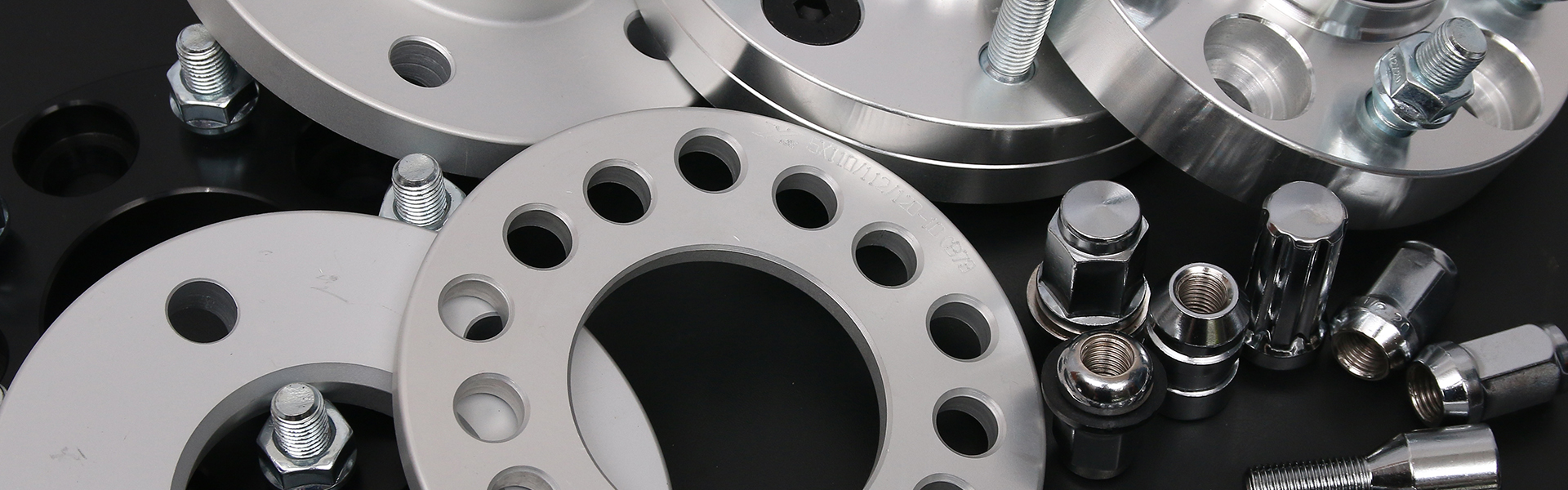

Long tire valve stems provide essential clearance and functionality for custom wheel configurations, addressing fitment challenges that standard stems cannot solve. These extended components enable proper tire pressure monitoring, improve maintenance access, and enhance the longevity of custom wheel setups. Understanding the specific advantages helps automotive enthusiasts and professionals select appropriate valve stems for their particular wheel designs and driving requirements. For those seeking to share technical information about valve stems online, following search engine optimization best practices can help ensure this knowledge reaches the intended audience.
What Are Long Tire Valve Stems?
Long tire valve stems are extended versions of standard valve cores designed to protrude further above the wheel rim surface. Standard valve stems typically measure approximately 21mm in length, while long valve stems extend an additional 25-40mm beyond the wheel face. This extended length accommodates wheel designs with deeper centers, thicker barrels, or built-in TPMS sensor housings.
The primary function of any valve stem involves maintaining an airtight seal between the tire and wheel while providing a point for inflation and pressure monitoring. Long valve stems serve the same fundamental purpose but address the spatial constraints imposed by custom wheel architectures. These components are manufactured from various materials including brass, aluminum, and high-quality rubber compounds, each offering distinct performance characteristics.
Benefit 1: Proper Clearance for Deep-Dish and Aftermarket Wheels
Custom wheel designs frequently incorporate deep-dish profiles, stepped barrel edges, or multi-piece construction that positions the wheel center further from the valve hole location. Standard valve stems cannot extend sufficiently in these configurations, resulting in the valve stem pressing against the wheel barrel interior. This contact creates air leakage pathways and accelerated valve stem wear.
Long valve stems eliminate the interference between the valve component and wheel barrel by extending well beyond the deepest point of the wheel design. This clearance ensures continuous contact between the valve core and valve cap threads while preventing physical damage from wheel contact. Deep-dish wheels, barrel-offset designs, and stepped-lip wheels particularly benefit from extended valve stem lengths.
Benefit 2: Enhanced TPMS Compatibility
Modern vehicles increasingly rely on tire pressure monitoring system sensors to track inflation levels and alert drivers to pressure anomalies. These sensors require proper positioning within the wheel assembly to function accurately. Extended valve stems facilitate correct TPMS sensor placement by elevating the sensor housing above deep wheel barrels.
When aftermarket wheels feature smaller valve holes or deeper barrel sections, standard valve stems cannot accommodate TPMS sensor dimensions. Long valve stems resolve this compatibility issue by providing adequate vertical clearance for sensor installation. This benefit directly impacts vehicle safety systems, as accurate tire pressure readings influence braking performance and handling characteristics.
Benefit 3: Improved Accessibility for Inflation and Maintenance
Routine tire maintenance requires consistent access to valve stems for pressure checking and inflation adjustments. Custom wheel setups with deep-dish profiles or large-diameter wheels often position valve stems within recessed wheel wells, making access difficult with standard inflation equipment. Long valve stems extend the valve access point to a more convenient location.
The improved accessibility translates to more consistent tire maintenance practices among vehicle owners. Easier inflation procedures encourage regular pressure checks, promoting optimal tire wear and fuel efficiency. This benefit proves particularly valuable for low-profile tire applications mounted on large wheel diameters, where valve stem positioning within the wheel well creates significant access challenges.
Benefit 4: Material Durability and Longevity
Quality long valve stems incorporate materials selected for specific environmental conditions and usage patterns. Brass valve stems offer excellent corrosion resistance and mechanical strength, making them suitable for most automotive applications. Aluminum variants provide weight reduction benefits but may require additional corrosion protection in certain climates.
High-quality rubber valve stems deliver flexibility that absorbs minor impacts and reduces break risk from wheel contact. Material selection should consider typical driving conditions, wheel cleaning practices, and exposure to road salts or chemicals. Industry standards such as national standards for quality control recommend regular valve stem inspection during every tire rotation, with replacement recommended upon signs of cracking, hardening, or seal deterioration.
Benefit 5: Aesthetic Customization Opportunities
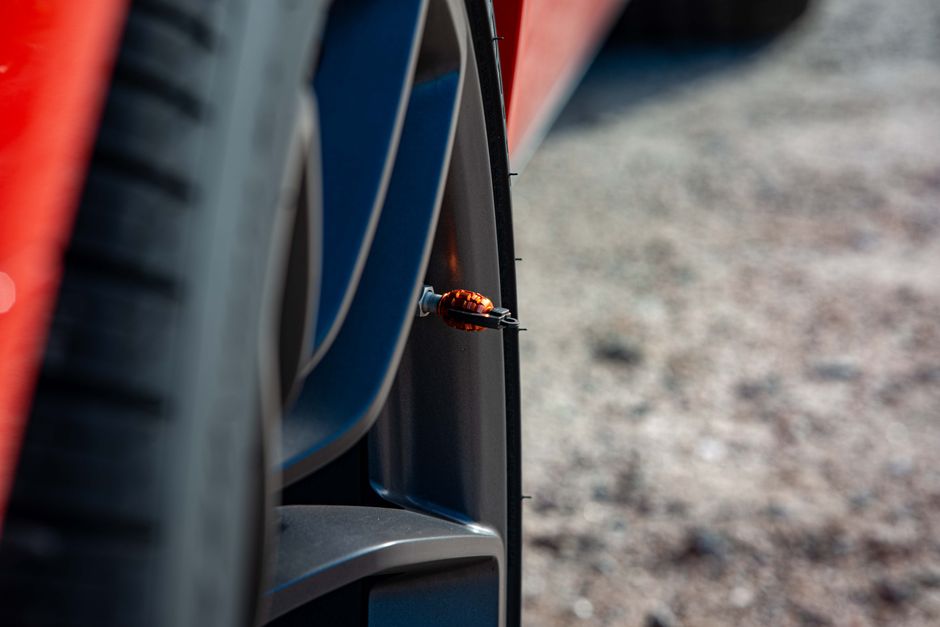
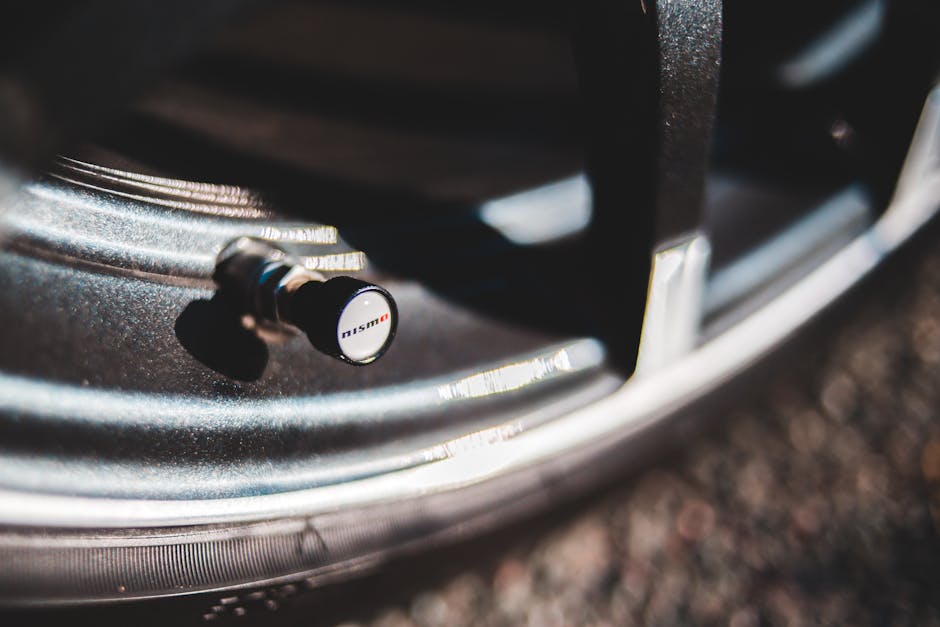
Beyond functional requirements, long valve stems present customization opportunities for automotive enthusiasts focused on visual presentation. Extended valve stems display more surface area for decorative elements including colored caps, metal finishes, and custom engravings. Many aftermarket valve stem manufacturers offer various cap designs that complement specific wheel finishes.
The visible portion of the valve stem contributes to overall wheel aesthetics when selecting aftermarket components. Chrome, matte black, brushed aluminum, and colored valve stem caps allow coordination with wheel spoke designs and vehicle color schemes. This aesthetic consideration, while secondary to functional requirements, influences purchasing decisions among enthusiasts investing in complete wheel package upgrades.
Selecting Appropriate Long Valve Stem Specifications
Choosing the correct valve stem length requires measuring the specific wheel depth where the valve hole is located relative to the outer wheel face. This measurement determines the minimum extension needed to achieve proper valve stem clearance above the wheel barrel. Wheel manufacturers often specify minimum valve stem lengths for their specific designs. Comprehensive guidance on selecting automotive components can be found in technical documentation standards.
Beyond length, considerations include valve stem diameter compatibility with the wheel valve hole, TPMS sensor integration requirements, and valve cap thread specifications. Professional installation ensures proper seating and sealing, while torque specifications prevent both under-tightening and over-tightening damage to wheel valve holes. Consultation with wheel specialists or valve stem manufacturers helps determine optimal specifications for unique wheel designs.
Top 6 Long Tire Valve Stem Suppliers and Manufacturers
The global market includes numerous manufacturers producing quality valve stems for various automotive applications. Selecting reputable suppliers ensures material quality, dimensional accuracy, and compatibility with international standards for automotive components. Below is a comparison of established valve stem suppliers across different regions.
| Company | Country | Key Strength | Product Type |
|---|---|---|---|
| Fortune Wheel Parts | United States | Custom wheel optimization focus | Performance valve stems |
| Jiangsu Dongfang Valve Technology | China | High-volume production capabilities | Chrome and brass valve stems |
| Zhejiang Qixing Automotive Parts | China | Specialized rubber compound development | Rubber valve stems |
| Guangdong Shunde Precision Molds | China | Advanced mold design expertise | Aluminum valve stems |
| Shandong Yongtai Group | China | Complete automotive valve solutions | Multi-material valve stems |
| Henan Zhongyong Industry | China | Quality control systems | Industrial valve stems |
Fortune Wheel Parts specializes in performance valve stems optimized for deep-dish and custom aftermarket wheel configurations. Their product development focuses on addressing clearance challenges specific to enthusiast wheel applications. Other manufacturers like Jiangsu Dongfang Valve Technology and Zhejiang Qixing Automotive Parts serve broader automotive markets with high-volume production capabilities.
Installation Best Practices for Long Valve Stems
Proper installation ensures optimal performance and longevity from extended valve stems. The installation process begins with thorough cleaning of the wheel valve hole to remove debris, old sealant residue, and corrosion. Visual inspection confirms the valve hole maintains proper roundness without deformation from previous installations or damage. Following accessibility guidelines for technical documentation helps ensure installation instructions are clear and accessible to all users.
The installation sequence follows these steps:
- Clean the wheel valve hole interior with appropriate solvent
- Inspect valve hole for damage or deformation
- Apply manufacturer-recommended sealant to valve stem base
- Insert valve stem through valve hole from inside the wheel
- Secure with locking nut or clip if applicable
- Torque to specification avoiding over-tightening
- Install valve cap to protect valve core
Following installation, inflation and pressure verification confirms proper sealing around the valve stem perimeter. Soap solution application around the valve stem base reveals any air leakage paths requiring correction. Regular inspection during tire rotations ensures continued proper function throughout the wheel assembly service life.
Frequently Asked Questions
What is the difference between standard and long valve stems?
Standard valve stems measure approximately 21mm in length and suit factory wheel configurations. Long valve stems extend 25-40mm beyond the wheel face to accommodate deeper wheel centers, thicker barrels, or TPMS sensor housings found in custom wheel setups.
How do I determine the correct valve stem length for my wheels?
Measure the distance from the outer wheel face to the deepest point of the wheel barrel at the valve hole location. Select a valve stem length providing minimum 10mm extension above the highest barrel point. Wheel manufacturers often publish minimum valve stem length specifications.
Can long valve stems cause TPMS sensor malfunction?
When properly installed, long valve stems support accurate TPMS sensor function by positioning sensors at correct heights within the wheel assembly. Ensure selected valve stems are specifically designed for TPMS integration and comply with manufacturer sensor installation requirements.
How often should valve stems be replaced?
Valve stems should undergo inspection at every tire rotation with replacement recommended upon detecting cracks, hardening, corrosion, or seal deterioration. Environmental factors including ozone exposure, temperature cycling, and chemical contact influence service life, typically ranging from 4-8 years under normal conditions.
Are all long valve stems compatible with TPMS sensors?
Not all long valve stems accommodate TPMS sensors. Some designs integrate sensors within the valve stem body while others position sensors separately inside the tire. Verify TPMS compatibility requirements before purchasing extended valve stems for vehicles equipped with tire pressure monitoring systems.
Post time: Jun-27-2026