




Selecting the correct TPMS valve service kit for your vehicle requires understanding valve types, sensor compatibility, and OE specifications. This guide covers every factor affecting proper kit selection, ensuring optimal tire pressure monitoring system performance and compliance with federal safety standards for tire monitoring systems.
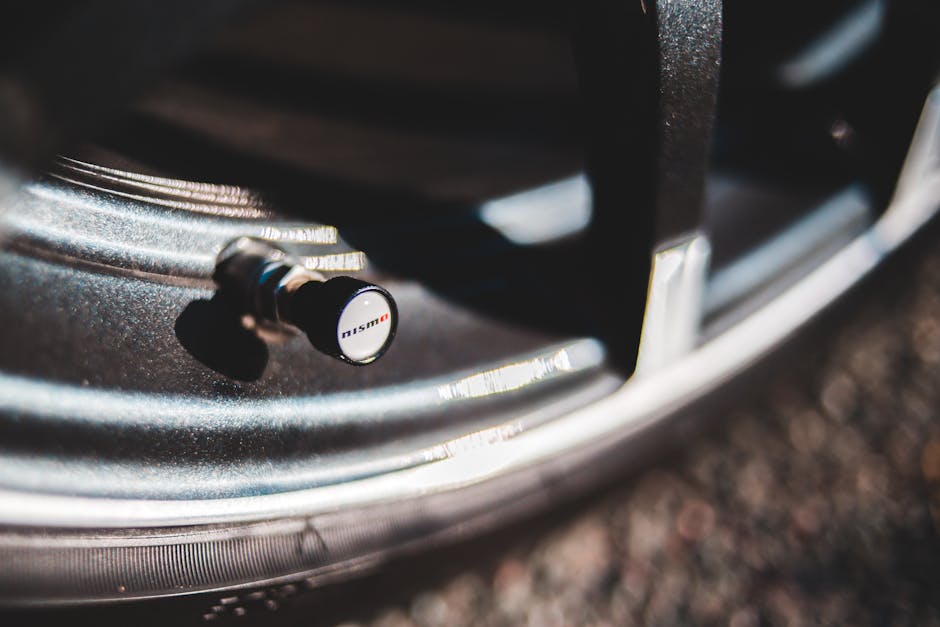
What Is a TPMS Valve Service Kit?
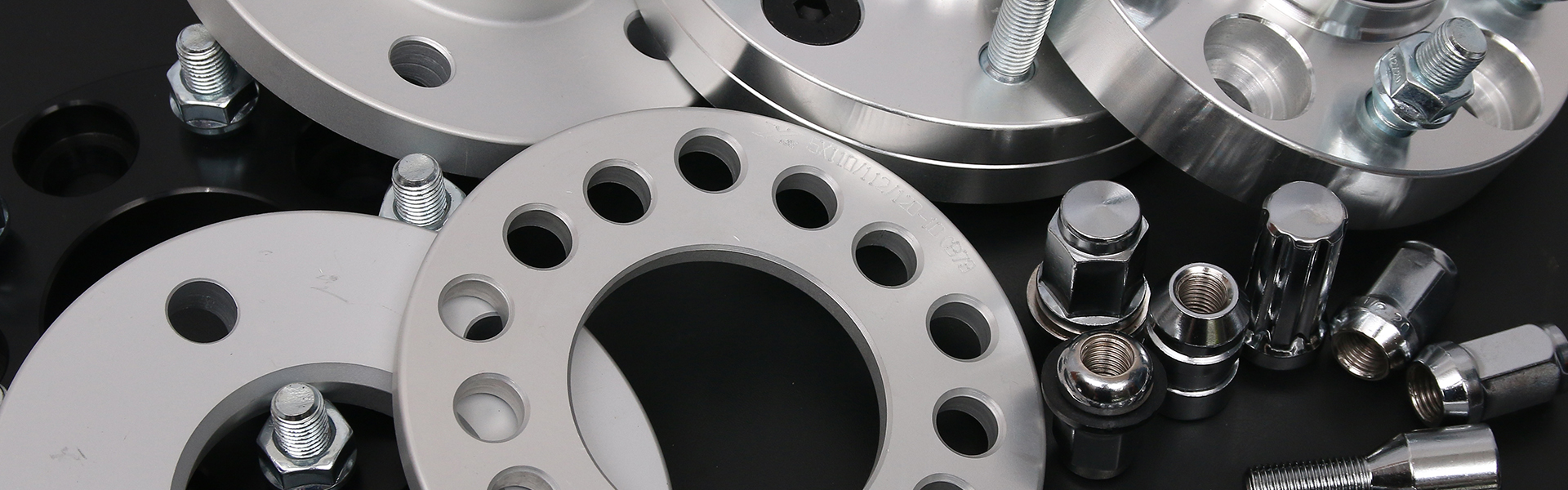
A TPMS valve service kit contains replacement components for the tire pressure monitoring system valve assembly. These kits typically include valve cores, valve caps, valve stems, sealing washers, and gaskets. The kit restores proper sealing when service intervals require tire removal or sensor battery replacement. Modern kits may also include specialized torx bits for sensor removal.
Federal Motor Vehicle Safety Standard 138 mandates functional tire pressure monitoring on all vehicles manufactured after September 2007. Proper maintenance using quality service kits ensures continuous compliance with this regulation. Understanding kit composition helps fleet managers and technicians make informed purchasing decisions.
Types of TPMS Valve Assemblies
Two primary valve configurations dominate the TPMS market: rubber snap-in valves and metal clamp-in valves. Rubber valves cost less and suit low-pressure applications, while metal valves offer superior durability for high-performance scenarios. Selection depends on wheel material, pressure requirements, and manufacturer recommendations.
Rubber Snap-In Valves
Rubber snap-in valves accommodate tube-type wheels and lower pressure ratings up to 80 psi. Installation requires no special tools beyond standard tire mounting equipment. Replacement frequency averages 3-5 years due to material degradation from ozone exposure and temperature cycling. Snap-in valves work with all universal TPMS sensors.
Metal Clamp-In Valves
Metal clamp-in valves attach via internal clamping mechanism and suit alloy wheels with stem-holes sized 0.453 inches or 0.625 inches. These valves withstand pressures up to 180 psi and provide superior retention in high-speed applications. Aluminum and nickel-plated brass variants offer different corrosion resistance profiles. Clamp-in valves require precise torque specification during installation.
Sensor Compatibility Considerations
TPMS valve service kits must integrate seamlessly with existing sensor hardware. OEM sensors and aftermarket sensors have different form factors, frequency ranges, and protocol requirements. Pre-2014 vehicles typically operated at 315 MHz, while post-2014 models increasingly use 433 MHz frequencies in various regions. For comprehensive TPMS programming documentation, technicians should reference vehicle-specific service information.
Universal sensors offer programmable functionality supporting multiple protocols, reducing inventory requirements. However, dedicated OEM replacement sensors ensure exact fitment and programming compatibility. Sensor battery life averages 5-7 years, coinciding with typical valve service intervals.
Material Quality and Standards
Material selection significantly impacts long-term reliability. Ethylene Propylene Diene Monomer (EPDM) rubber outperforms natural rubber in ozone and UV resistance. For metal components, Specify Type A valve stems meet SAE J1610 specifications for TPMS compatibility. Corrosion-resistant coatings prevent galvanic degradation when dissimilar metals contact in wet environments.

Aftermarket kits vary widely in material specification. Premium kits use pharmaceutical-grade EPDM and pass 1000-hour salt spray testing. Budget options may fail within 18 months in coastal climates. Professional technicians recommend requesting ISO quality management certifications and test documentation from suppliers.
Selection Criteria Checklist
Use this checklist when evaluating TPMS valve service kits for your application:
- Verify valve type matches wheel configuration (rubber snap-in or metal clamp-in)
- Confirm sensor frequency compatibility (315 MHz, 433 MHz, or multi-frequency)
- Check OE manufacturer approval or FMVSS 138 compliance documentation
- Review material specifications including rubber durometer and metal alloy composition
- Assess sealing surface finish quality and gasket material compatibility
- Compare torque specifications against wheel manufacturer requirements
- Evaluate kit completeness including valve core, cap, stem, and sealing hardware
OE vs Aftermarket Kit Comparison
Choosing between OE (Original Equipment) and aftermarket TPMS valve service kits involves balancing cost, availability, and performance requirements. Each option presents distinct advantages depending on fleet size and service environment.
| Factor | OE Kits | Aftermarket Kits |
|---|---|---|
| Price Range | $15-45 per kit | $5-25 per kit |
| Material Quality | Consistently meets OEM specifications | Variable quality tiers available |
| Inventory Availability | Dealer-only, 1-3 day lead time | Multiple suppliers, same-day shipping |
| Warranty Coverage | Vehicle warranty applicable | Limited supplier warranty |
| Sensor Programming | Pre-coded for specific models | Requires manual programming |
Fleet operators managing 50+ vehicles often favor aftermarket kits for cost savings and inventory simplification. Single-vehicle owners may prefer OE kits for guaranteed compatibility and warranty protection.
Installation Best Practices
Proper installation techniques maximize TPMS valve service kit longevity and prevent premature failures. Following systematic procedures reduces callbacks and customer complaints related to slow leaks or sensor damage.
- Remove wheel and deflate tire completely before valve removal
- Clean valve mounting hole and sealing surface with isopropyl alcohol
- Inspect sensor condition and battery status before reassembly
- Apply thread sealant to valve stem threads if specified by manufacturer
- Install new valve assembly using proper torque wrench settings
- Torque valve core to 2-4 in-lbs using calibrated torque wrench
- Inflate tire and verify TPMS warning light extinguishes within 5 minutes
Common Selection Mistakes to Avoid
Several frequent errors compromise TPMS valve service kit performance. Avoiding these pitfalls ensures reliable operation and reduces service frequency. For technical standards and safety compliance guidelines, reference your regional regulatory requirements.
- Mismatching valve length to wheel thickness, causing stem fatigue and breakage
- Using rubber valves in high-pressure applications exceeding 80 psi ratings
- Reusing old sealing washers that have compressed beyond recovery
- Installing metal valves without anti-seize compound on aluminum wheels
- Selecting kits without OE approval for vehicles under active warranty
Proper valve length selection requires measuring from the inside wheel surface to the valve tip. Standard lengths range from 1.5 inches to 3.0 inches. Extended-length valves accommodate dual-wall and run-flat tire configurations.
2026 Market Trends and Innovations
The TPMS aftermarket continues evolving with enhanced materials and integrated solutions. Two notable trends shape 2026 kit selection: all-in-one sensor-valve assemblies and smart monitoring capabilities. These innovations address technician efficiency and predictive maintenance needs.
All-in-one units combine the sensor electronics directly into the valve stem, eliminating separate sensor mounting brackets. This design reduces installation time by approximately 40% and improves signal transmission consistency. Smart valve prototypes integrate Bluetooth connectivity for real-time pressure logging, though widespread adoption awaits regulatory clarification.
Maintenance Intervals and Replacement Scheduling
TPMS valve service kits should accompany every tire rotation and sensor battery replacement. Rubber valve degradation typically manifests between 3-5 years, while metal valves may exceed 10 years with proper installation. Annual visual inspection during state inspections helps identify potential failures before system alerts occur. For industry-wide accessibility and documentation standards, follow established guidelines.
Fleet maintenance software can track installation dates and predict replacement schedules based on vehicle mileage and age. Integrating TPMS service into existing preventive maintenance programs reduces emergency road service incidents by up to 35% according to industry data.
Summary
TPMS valve service kit selection in 2026 requires evaluating valve type, sensor compatibility, material quality, and OE specifications. Rubber snap-in valves suit lower-pressure applications, while metal clamp-in valves provide superior durability for demanding conditions. Material certifications and FMVSS 138 compliance ensure safety and reliability. Following systematic installation procedures and replacement intervals maintains optimal tire pressure monitoring performance throughout vehicle service life.
Frequently Asked Questions
How often should TPMS valve service kits be replaced?
Replace TPMS valve service kits every 3-5 years for rubber valves or during each tire service when sensor battery replacement occurs. Metal valves may last 7-10 years with proper installation.
Can I use any brand TPMS valve kit on my vehicle?
Valve kits must match your sensor frequency (315 MHz or 433 MHz) and valve type (snap-in or clamp-in). For vehicles under warranty, use OE-approved kits to maintain warranty coverage.
What causes TPMS valve stems to fail prematurely?
Premature failures result from ozone exposure, UV degradation, improper torque, galvanic corrosion between dissimilar metals, and exceeding pressure ratings. Quality materials and correct installation prevent most failures.
Do TPMS valve service kits include sensors?
Standard TPMS valve service kits include valve cores, caps, stems, and sealing hardware but do not include TPMS sensors. Sensor replacement requires separate ordering and programming.
What torque specification applies to TPMS valve cores?
TPMS valve cores require 2-4 inch-pounds of torque. Over-tightening damages the core seal, while under-tightening causes air leaks. Use a calibrated torque wrench for accuracy.
Post time: Jun-30-2026