



- Match the TPMS sensor, wheel, and approved valve or service-kit number before comparing metals.
- For an aluminum clamp-in stem, use the specified core, seal, nut, and cap. Schrader specifies an electroless nickel-plated core for its aluminum stems.
- Brass can describe the insert in a rubber snap-in valve, the body of a plated metal valve, or the material under a valve core’s finish.
- If a quote says zinc, ask which part contains zinc, whether it is the base alloy or a coating, and which application the finished assembly is approved for.
A shop has a working sensor, a leaking valve, and two parts on the counter that look like they will fit. One is a rubber snap-in stem with brass-colored metal showing at the end. The other is a silver clamp-in stem. A third quote says “zinc” and gives the same stem length. Which one can go on the wheel?
When comparing TPMS valve stem material options such as brass, aluminum, and zinc, let the approved sensor-and-wheel application decide which assembly belongs on the vehicle. For a specified aluminum stem, preserve the matching service-kit materials. Use a brass-containing or zinc-alloy alternative only when the exact part number and construction are approved for the application. Color, length, and whether the threads start are weak evidence of fit.
Read the part description before comparing the metals
A material name is only useful if it identifies which TPMS valve component it describes. On a valve-mounted direct tire pressure monitoring system (TPMS), the stem passes through the wheel and attaches to the sensor inside it. The core is the small spring-loaded valve threaded into the air passage. On a clamp-in assembly, separate parts retain the stem and seal against the wheel. A catalog can use “brass” on the same page for a stem body, an insert, and a core. Those parts have different functions and may have different finishes.
| What the quote says | What to confirm | What governs the decision |
|---|---|---|
| Brass insert | The insert material and the rubber snap-in assembly it belongs to. | Approved sensor attachment, rim fit, and pressure rating for the complete rubber stem. |
| Plated brass stem | The stem body, finish, and included hardware. | Approved part number, geometry, and service conditions. |
| Aluminum clamp-in stem | The stem, specified core finish, grommet, cap, and retaining hardware. | Sensor and wheel compatibility, seating geometry, and model-specific installation instructions. |
| Zinc alloy | The alloy designation and the exact part made from it. | Application approval and validation of the complete assembly in the quoted configuration. |
| Zinc-plated | The base metal and the component receiving the finish. | Qualification of that specific substrate, coating, and assembly combination. |
Fortune’s tire valves catalog separates rubber valves, metal valves, TPMS kits, and caps and cores. For example, the linked Fortune TPMS-2 product page identifies it as a rubber snap-in valve, names EPDM rubber, and references Schrader kit 20635 and Dill kit VS-65 for the TRW Version 4 sensor. That is enough to start an application lookup. For a purchase specification that controls insert metallurgy or finish, request the data for the exact ordered part.
When does brass belong on the wheel?
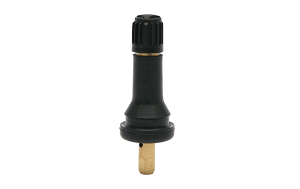
Choose a brass-containing TPMS valve when the application specifies that assembly, whether it is a metal valve body or an insert inside a rubber snap-in stem. A snap-in valve can have metal where the core threads in and rubber where the valve seals and grips the wheel. The rubber body, rim-hole fit, and sensor attachment are part of its qualification. A metal clamp-in body uses a different retention and sealing arrangement, so a shared metal label tells you little about whether the two assemblies can replace each other.
On the commercial side, Dill identifies its DV553C-WS commercial TPMS valve as plated brass. Treat that as evidence for the named part. For a fleet buying valves across multiple wheel types, keep the exact commercial valve references in the parts list because pressure limits, stem geometry, and mounting requirements have to be checked for each application.
Keep brass valve cores for the assemblies that specify them and store aluminum-stem service cores under their own kit or part numbers. Schrader lists a brass core in its rubber snap-in service pack 20018 and a nickel-plated core with the aluminum clamp-in stem in pack 34000. This is easy to miss if loose cores are tipped into the same drawer. Write the manufacturer and service-pack number on the bin and keep the matching core with the rest of the kit. See Schrader’s EZ-sensor service-pack specifications.
Why does an aluminum stem need the right core and cap?
An aluminum TPMS stem needs the manufacturer-specified core because an incompatible metal pairing can corrode where the core threads into the stem. Galvanic corrosion can occur when dissimilar metals are electrically connected in the presence of an electrolyte, such as salty water. A standard unplated brass core can enter an aluminum stem and still create a problem later. Schrader documents cases of cores seizing in aluminum stems after an incompatible core was installed. Its instructions specify an electroless nickel-plated replacement core for its aluminum stems. See Schrader’s aluminum TPMS valve service bulletin.
Use the cap specified by the service kit because the cap protects the core area and its exposed threads from contamination. A decorative cap can fit the thread and introduce a new material at an interface exposed to water and road debris. Keep the approved cap with the service hardware. Continental, for example, lists aluminum as the valve material and nickel plating as the core specification for its SE10002A-4PK REDI-Sensor application listing. Use the kit for the actual sensor even if the stem looks like that example.
If leakage is at the wheel hole, inspect the seal and seating area before blaming the stem alloy. An intact stem can leak around a damaged grommet or a corroded seat. Leakage at the valve opening points the inspection toward the core and its seat. Have the technician locate the leak with the shop’s approved method, then check whether damaged threads, corrosion, or seal damage requires a complete stem or sensor replacement under the manufacturer’s instructions. That distinction keeps a core change from being used to try to fix a rim-seat problem.
What does “zinc” on a quote actually buy?
Hold a quote that just says “zinc” until the supplier names the component, the base alloy, and the finish in writing. A zinc-alloy body and a zinc-plated component are different specifications. A coating description leaves the underlying metal to be established. Ask for the alloy and finish on the stem body or insert, the material of the retaining hardware, and the specified core and cap. If a sample is already on the counter, use its traceable part number or identify it through the supplier before release. Appearance alone cannot settle the question.
Evaluate a proposed zinc-alloy substitution against the finished assembly’s application and validation records. Ask which sensor and wheel the report covers, whether the tested parts used the same base alloy and finish as the quote, and what the supplier checked after environmental exposure. A report on cosmetic changes to a plated sample gives different information from a report that checks air retention, the condition of the threads, and serviceability on the assembled valve. If the supplier gives a generic materials sheet, ask for a report tied to the drawing revision and the particular part you would receive.
Fortune’s tire valves category and TPMS-2 listing support the snap-in example above. For a zinc-bearing version, request a Fortune part number and a material declaration that identifies where zinc is used. Keep zinc wheel weights, which appear elsewhere in the catalog, separate from the evidence for tire valves.
How to handle a quote that changes after the sample is approved
Consider a buyer who approves a plated brass valve sample and later receives a revised quote that says “zinc finish.” The revision might change only a retaining nut, or it might change the stem that holds the core. Return the approved drawing to the supplier and ask them to mark the changed part. If the revision is to the stem, request a new sample and the applicable test records for the revised assembly. If it is to the nut, check the mating threads, specified torque, and compatibility with the stem and wheel interface before accepting the revision.
Record the approved construction against the stocked part number so a material change requires review before another lot ships. A receiving label can tie the box to a lot, while the purchase specification should tie that lot to the accepted drawing, finish, and kit contents. For an approved alternate, give the warehouse a separate identifier or a written interchange reference. That makes the choice visible when a counter employee fills an order without the original buyer present.
What gets checked before the part leaves the counter?
Confirm the sensor attachment and wheel interface even if the replacement valve appears to fit the rim hole. Record the sensor identifier, the prescribed snap-in or clamp-in construction, the stem and kit part numbers, and the pressure rating for the application. On an aftermarket wheel, verify the hole, seating shape, and sensor clearance. A stem can seat in the hole while setting the sensor at an angle that leaves too little clearance for the tire bead during service. Use the sensor and wheel manufacturers’ requirements to resolve those cases.
Check air retention and TPMS operation separately after service. The sensor can report while the valve and wheel interface still leaks. An airtight valve can also coexist with a sensor that needs diagnosis or a vehicle-specific relearn. Use the application-specific service information for fastener and core torque, replace the specified service parts, and record the leak and functional checks. USTMA recommends replacing the applicable valve kit components when new tires are installed and fitting a new kit whenever the sensor is disassembled. See USTMA’s tubeless valve service bulletin.
For a distributor or fleet quote, ask the supplier to confirm the exact assembly before comparing unit prices. Send the sensor and valve cross-references, wheel details, and intended operating pressure. Request a drawing or specification that identifies the body or insert alloy, surface treatment, service kit contents, and any exclusions. Ask how part labels and lot records will identify the approved version after the order arrives. For a Fortune parts inquiry, send those details via the Fortune contact page.
Frequently asked questions
Is brass better than aluminum for a TPMS valve stem?
Use the assembly specified for the sensor, wheel, and operating conditions. Brass may be appropriate in a particular insert or plated commercial stem, while a passenger vehicle application may specify an aluminum clamp-in valve with its own service kit.
Can I install a regular brass core in an aluminum TPMS stem?
Use the core specified by the stem manufacturer. In Schrader’s aluminum TPMS applications, the specified electroless nickel-plated core helps prevent the corrosion and seizure that can occur with an unplated brass core.
Does zinc on the label mean the whole valve is zinc alloy?
It can refer to the base alloy of a particular component or to a surface coating. Ask for a part-specific material declaration that names the relevant component, base metal, and finish.
Can I replace a rubber snap-in TPMS stem with an aluminum clamp-in stem?
Some sensor systems offer manufacturer-approved options for both mounting styles. Make the change only where the specified valve is approved for the sensor and wheel, with the required kit and operating rating.
Does a working sensor need replacement when the valve leaks?
A compatible service kit or replaceable stem may resolve a valve leak if the sensor and its attachment are sound. Follow the manufacturer’s disposition for a damaged sensor or a valve assembly that the manufacturer treats as non-serviceable.
Can I use the torque from another clamp-in TPMS valve?
Use the value for the exact service kit and fastener being installed. The retaining nut, valve core, and sensor attachment screw can have different requirements even within the same assembly.
Post time: Nov-25-2026