


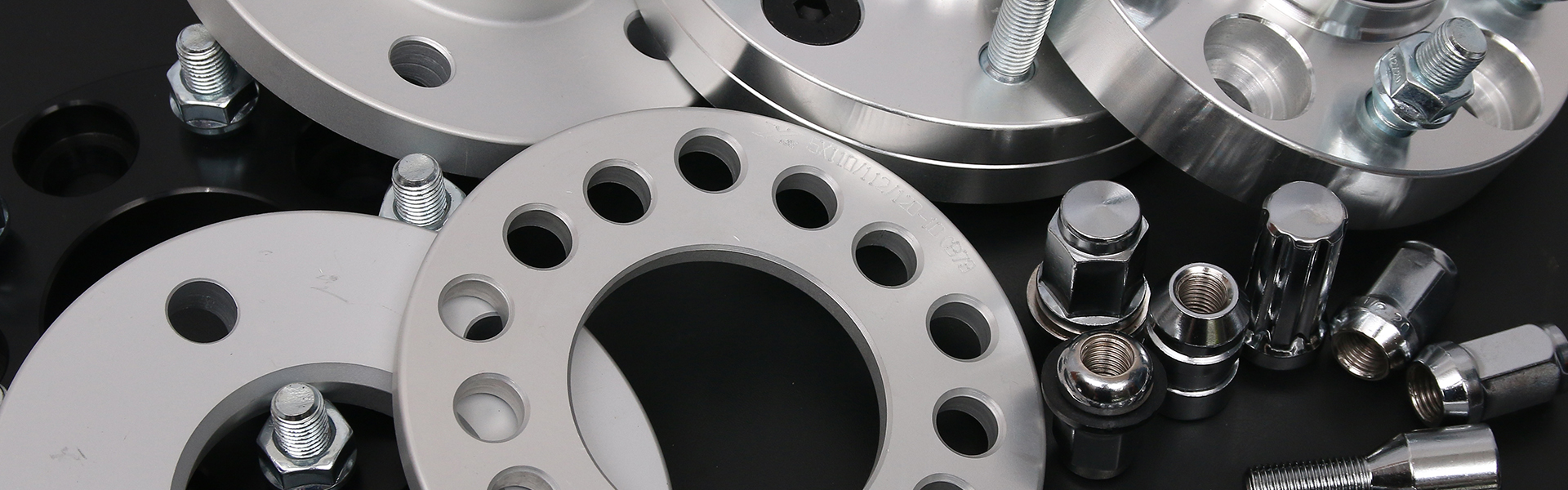

Hubcentric wheel weights are precision-machined balancing components designed to center wheels perfectly on vehicle hubs, eliminating vibration during acceleration and high-speed driving. These specialized weights attach directly to the hub-centric lip of aftermarket wheels, creating a factory-style fitment that many automotive experts consider essential for modern vehicles with low tire runout tolerances. Understanding their purpose and applications helps vehicle owners make informed decisions about wheel maintenance and customization.

How Hubcentric Wheel Weights Work
Hubcentric wheel weights function by aligning the wheel’s center bore precisely with the vehicle’s hub assembly. The weight design features a precisely machined inner diameter that matches the aftermarket wheel’s hub-centric lip, creating a interference fit when installed. This mechanical connection ensures that the wheel rotates around its true center axis rather than relying solely on lug nut clamping force. The ISO quality standards for automotive components specify tight tolerances for these dimensions to ensure consistent performance across manufacturers.
Unlike traditional clip-on weights that attach to the wheel flange, hubcentric weights bear the wheel’s mass directly on their outer diameter surfaces. This design distributes vehicle loads more evenly across the wheel assembly, reducing stress on lug studs during acceleration and braking cycles. The weight’s mass also contributes to wheel balancing, addressing both radial and lateral runout issues that cause steering wheel vibration.
Key Applications and Use Cases
Hubcentric wheel weights are primarily used when installing aftermarket wheels that feature hub-centric lips rather than universal center bores. These weights become necessary under several specific conditions that affect vehicle safety and drivability.
High-performance vehicles with tight suspension tolerances require precise wheel centering to maintain handling characteristics. When such vehicles receive aftermarket wheel upgrades, hubcentric weights prevent the slight radial deflection that occurs with clip-on weights under cornering loads. Additionally, vehicles equipped with adaptive suspension systems rely on accurate wheel positioning for proper sensor calibration.
- Installation of aftermarket wheels with hub-centric lip designs
- Replacement for damaged or missing factory hub rings
- Heavy wheel and tire combinations exceeding OEM balancing limits
- High-performance driving applications requiring precise handling response
- Electric vehicles with instant torque delivery requiring vibration-free rotation
Benefits of Hubcentric Wheel Weights
The primary benefit of hubcentric wheel weights lies in their ability to eliminate the vibration that occurs when wheel center bore clearance prevents proper centering. This centering function extends beyond simple balancing to provide structural advantages during vehicle operation.
Wheel longevity improves significantly when hubcentric weights manage load distribution. Lug studs experience less fatigue because the weight bears the wheel’s radial load rather than transferring it entirely to the fasteners. This reduction in stud stress proves particularly valuable for vehicles frequently subjected to heavy loads or aggressive driving patterns. The industry guidelines for automotive safety emphasize proper wheel mounting procedures to ensure optimal vehicle performance.

Types and Materials Available
Hubcentric wheel weights are manufactured from several materials, each offering distinct advantages for specific applications. Steel weights provide the most economical solution with adequate durability for standard passenger vehicle use. Zinc-coated steel variants resist corrosion from road salt and moisture exposure.
Aluminum hubcentric weights reduce unsprung mass, benefiting suspension response and fuel efficiency in performance applications. Lead weights, while historically common, have largely been phased out due to environmental regulations despite their excellent vibration dampening properties. Manufacturers follow industry quality guidelines when specifying materials and manufacturing processes for these components.
| Material | Weight | Corrosion Resistance | Cost | Best Application |
|---|---|---|---|---|
| Steel | Heavy | Good with coating | Low | Daily driving, winter use |
| Aluminum | Light | Excellent | Medium | Performance, racing |
| Zinc | Medium | Very Good | Medium | All-season vehicles |
| Composite | Very Light | Excellent | High | Premium applications |
Installation Process and Considerations
Proper hubcentric wheel weight installation requires attention to surface preparation and torque specifications. The wheel’s hub-centric lip must be cleaned thoroughly before weight installation to ensure full surface contact. Any corrosion or debris between the weight and wheel creates a gap that defeats the centering purpose.
Installation follows a specific sequence to maintain proper balance while achieving secure mounting. The weight should first be test-fitted to verify concentricity before final installation. Professional installers often reference technical documentation for proper automotive service procedures to ensure compliance with industry best practices.
- Clean the hub-centric lip surface with degreaser and dry completely
- Inspect the lip for burrs or damage; file if necessary
- Test-fit the hubcentric weight to verify concentricity with dial indicator
- Apply appropriate adhesive if specified by manufacturer
- Press weight onto hub lip with even pressure until seated
- Verify installation with dial test indicator before mounting tire
Hubcentric Weights vs Traditional Wheel Balancing
Traditional wheel balancing addresses weight distribution around the wheel’s rotation axis, while hubcentric weights primarily address geometric centering. These functions complement each other but serve different purposes in achieving vibration-free operation. Many wheel specialists recommend using both systems together for comprehensive wheel optimization.
The technical specifications for automotive wheel systems distinguish between static and dynamic balancing approaches, each interacting differently with hubcentric centering methods. Understanding this relationship helps vehicle owners communicate effectively with service professionals about their specific needs.
Maintenance and Inspection Guidelines
Regular inspection of hubcentric wheel weights extends wheel assembly service life and prevents vibration issues from developing. Weights should be checked during each tire rotation or at minimum annually for commercial vehicles.
Signs of hubcentric weight failure include vibration returning after recent balancing, visible gaps between the weight and hub lip, and corrosion buildup on the weight’s mounting surfaces. Prompt replacement prevents the vibration damage that occurs when wheels operate off-center for extended periods.
- Check for movement or play between weight and hub lip
- Inspect mounting surfaces for corrosion or debris accumulation
- Verify weight concentricity with dial indicator annually
- Replace weights showing fatigue cracks or separation
- Consider replacement when switching between seasonal tire sets
Selecting the Correct Hubcentric Weight Size
Hubcentric weights are sized according to the wheel’s center bore diameter and hub lip width. Selecting the correct size ensures proper interference fit without requiring force that might damage the wheel or weight. Manufacturers provide detailed fitment charts matching specific wheel models to appropriate weight sizes.
When exact match sizing is unavailable, slightly larger weights can be machined down to fit, though this requires precision equipment. Undersized weights should never be used, as they fail to center the wheel properly and may dislodge during operation.
Industry Standards and Quality Indicators
Reputable hubcentric weight manufacturers comply with automotive industry quality standards that specify materials, dimensions, and performance requirements. The ISO standards for automotive components establish baseline requirements for weight accuracy and durability that distinguish quality products from inferior alternatives.
Quality indicators include consistent machining marks, proper weight labeling with gram specifications, and packaging that protects weights during shipping. Products lacking proper documentation or showing signs of sloppy manufacturing should be avoided regardless of price advantages.
Common Misconceptions About Hubcentric Wheel Weights
Many vehicle owners believe hubcentric weights serve no purpose when using lug-centric aftermarket wheels. This misconception ignores the centering benefits these weights provide regardless of wheel design philosophy. Even wheels designed for lug-centric mounting benefit from the additional radial support hubcentric weights provide.
Another misconception involves weight material affecting balancing accuracy. Material selection impacts durability and weight rather than balancing precision when weights are properly sized. The technical documentation for proper automotive service emphasizes that installation quality matters more than material composition for most applications.
Cost Considerations and Value Analysis
Hubcentric wheel weights represent a modest investment relative to aftermarket wheel costs. Quality steel weights typically range from fifteen to forty dollars per wheel depending on size and material. This cost pales in comparison to wheel replacement or suspension repair bills resulting from vibration-induced wear.
Professional installation adds labor costs but ensures proper fitment and saves time for vehicle owners lacking appropriate tools or experience. Many tire shops include hubcentric weight installation as part of complete wheel and tire package pricing.
Conclusion
Hubcentric wheel weights provide essential centering functionality for vehicles equipped with aftermarket wheels featuring hub-centric lip designs. Their proper installation eliminates vibration, extends component life, and improves overall driving comfort. Vehicle owners upgrading to aftermarket wheels should always verify whether hubcentric weights are required for their specific wheel and vehicle combination.
Frequently Asked Questions
Are hubcentric wheel weights necessary for all aftermarket wheels?
No. Hubcentric weights are specifically required only for aftermarket wheels that feature hub-centric lip designs. Many aftermarket wheels use universal center bores that don’t require these weights for proper centering.
Can hubcentric wheel weights cause wheel damage?
When properly sized and installed, hubcentric weights cause no damage. However, incorrectly sized weights or improper installation can create stress points that lead to wheel fatigue over time.
How long do hubcentric wheel weights last?
Quality hubcentric weights typically outlast the wheels they are installed on. Steel weights may show surface corrosion after several years but remain functional.
Can I install hubcentric weights myself?
Experienced DIY mechanics with appropriate tools can install hubcentric weights. However, professional installation ensures proper sizing verification and concentricity testing.
Do hubcentric weights affect wheel balance?
Hubcentric weights primarily address geometric centering rather than weight distribution. Traditional wheel balancing using clip-on or adhesive weights remains necessary for complete vibration elimination.
Post time: Jun-16-2026