




High-pressure tire valves are critical components in modern vehicle safety systems, designed to maintain optimal tire pressure in demanding conditions. These precision-engineered valves enable consistent air retention in high-stress applications, from commercial trucks to high-performance sports vehicles. Understanding how high-pressure tire valves improve safety and performance helps vehicle operators make informed decisions about tire maintenance and component selection.
What Are High-Pressure Tire Valves?
High-pressure tire valves are mechanical devices installed in tire valve stems that regulate airflow into and out of pneumatic tires. Unlike standard valves rated for 40-65 PSI, high-pressure variants handle pressures ranging from 100 to 200 PSI or higher. The ISO standard 69487 establishes testing protocols for valve stem fatigue resistance under cyclic pressure loading.
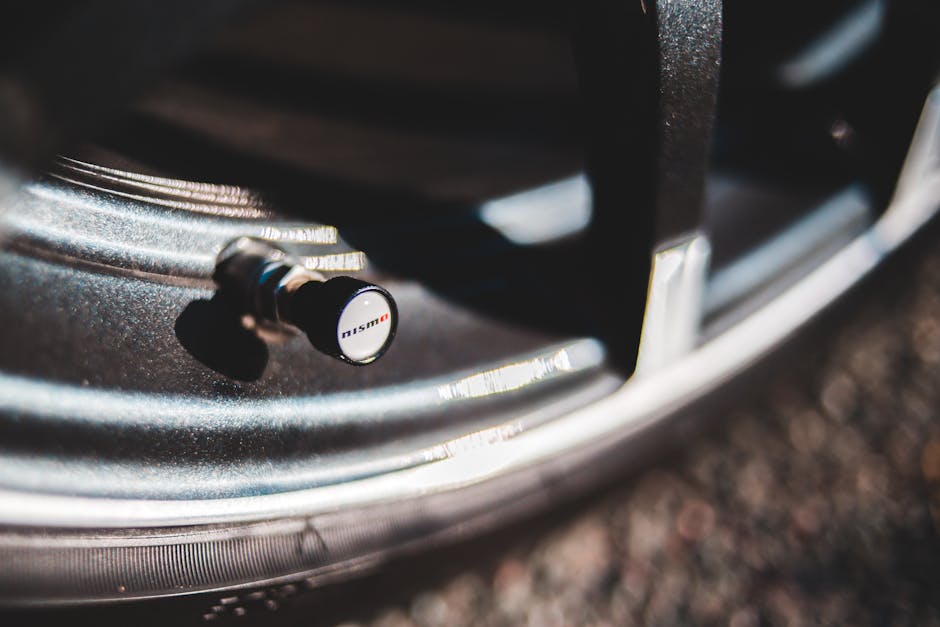
The core components include a brass or nickel-plated valve core, a resilient rubber or silicone gasket, and a protective cap. These elements work together to prevent air leakage while allowing quick inflation and deflation during service operations. Material selection directly impacts corrosion resistance and long-term sealing performance in demanding environments.
Safety Benefits of High-Pressure Tire Valves
Proper tire pressure maintenance through reliable valve function directly reduces accident risk. Underinflated tires generate excessive heat buildup during highway driving, leading to catastrophic tire failure. High-pressure valves maintain seal integrity at elevated pressures, ensuring pressure monitoring systems deliver accurate readings for driver awareness.
Safety improvements provided by quality high-pressure valves include consistent pressure monitoring accuracy, reduced risk of sudden deflation events, and extended tire service life through proper inflation maintenance. Commercial fleet operators report significant reductions in roadside breakdowns after implementing scheduled valve inspection protocols. The National Institute of Standards and Technology emphasizes that systematic maintenance procedures form the foundation of operational safety programs.

Performance Enhancement Through Proper Valve Selection
Performance vehicles require precise tire pressure management to achieve optimal handling characteristics. High-pressure valves enable fine-tuned inflation adjustments that directly affect contact patch geometry and cornering response. Racing teams utilize premium valve components to maintain consistent pressure during endurance events spanning multiple hours.
Key performance advantages include improved fuel efficiency through reduced rolling resistance, enhanced steering precision from proper tire profile, and consistent acceleration traction across varying road surfaces. Performance tire valves often feature lightweight materials like aluminum or carbon fiber to minimize unsprung mass, contributing to suspension responsiveness.
Types of High-Pressure Tire Valves
Several valve configurations serve different application requirements. Selection depends on pressure rating, environmental exposure, and service accessibility considerations.
- Schrader-style high-pressure valves: Similar to automotive tire valves but with reinforced cores rated for elevated pressures, commonly used in light truck and SUV applications
- Balloon valves: Feature internal rubber bladders that seal under pressure, suitable for extreme high-pressure applications exceeding 150 PSI
- Spring-loaded poppet valves: Maintain positive closure through mechanical spring force, providing reliable sealing during vibration exposure
- Snap-in valves: Feature rubber stems designed for single-piece installation in tubeless tires, commonly found in passenger vehicle original equipment
- Metal-core valves: Utilize all-metal internal components for superior heat resistance in performance and commercial applications
Comparing Valve Stem Materials
Material selection significantly impacts valve longevity and compatibility with tire pressure monitoring systems. Modern valve stems incorporate various materials engineered for specific performance requirements.
| Material | Pressure Rating | Temperature Range | Best Application |
|---|---|---|---|
| Brass | Up to 150 PSI | -40°F to 250°F | Passenger vehicles, light trucks |
| Nickel-plated brass | Up to 200 PSI | -40°F to 300°F | Commercial vehicles, off-road |
| Aluminum alloy | Up to 175 PSI | -20°F to 350°F | Performance vehicles, racing |
| Rubber snap-in | Up to 65 PSI | -40°F to 150°F | Passenger vehicles only |
Installation and Maintenance Best Practices
Proper installation procedures ensure optimal valve performance throughout the service life. Technicians should follow systematic protocols to prevent common failure modes associated with improper fitting or torque application.
- Clean the valve stem mounting area thoroughly before installation to prevent debris contamination of the sealing surfaces
- Apply manufacturer-recommended thread sealant or o-ring lubricant to ensure gas-tight sealing during initial installation
- Torque valve core to specification using calibrated torque wrench to prevent over-compression of internal seals
- Install protective cap immediately after core installation to prevent contamination from road debris and moisture
- Verify sealing integrity using soap solution bubble test before vehicle return to service
Applications Requiring High-Pressure Valves
Various vehicle categories require high-pressure valve solutions to maintain safe operation under demanding conditions. Each application presents unique challenges that standard valves cannot adequately address.
- Commercial truck and bus fleets operating at highway speeds with heavy loads
- Agricultural equipment tires requiring pressures exceeding 100 PSI for heavy field work
- Military vehicles designed for rapid pressure adjustment during mission transitions
- Aircraft support equipment and ground handling vehicles
- High-performance sports cars and track-focused vehicles
- Recreational vehicles towing heavy loads requiring elevated rear tire pressures
Selecting the Right High-Pressure Valve
Choosing appropriate valves involves evaluating several technical parameters against specific application requirements. Vehicle operators should consult tire manufacturer specifications and industry standards to guide purchasing decisions.
- Pressure rating: Select valves rated minimum 25% above maximum expected operating pressure for safety margin
- Temperature compatibility: Verify material ratings exceed local climate extremes including direct sun exposure
- Stem length: Ensure adequate threading engagement with wheel mounting configuration
- TPMS compatibility: Confirm valve type works with existing tire pressure monitoring sensor mounting
- Corrosion resistance: Evaluate coating or material suitability for regional road salt exposure
Industry Standards and Testing
Quality high-pressure valves undergo rigorous testing to verify performance under simulated service conditions. International standards establish minimum requirements for pressure ratings, cycle life, and environmental resistance that distinguish professional-grade components from inferior alternatives.
The ISO standards organization publishes technical specifications covering valve dimensions, materials, and performance testing methodologies. Compliance verification provides assurance of component reliability in safety-critical applications. Manufacturers demonstrating conformity to recognized standards offer greater confidence in product consistency and durability.
Common Valve Failure Modes and Prevention
Understanding typical valve degradation mechanisms enables proactive maintenance strategies that prevent unexpected failures. Most valve failures develop gradually, presenting maintenance opportunities before complete seal loss occurs.
Rubber valve cores degrade through exposure to ozone, petroleum-based contaminants, and thermal cycling. Visual inspection revealing cracking or hardening indicates replacement necessity. Metal valve cores experience corrosion at the interface between dissimilar metals when moisture penetrates protective seals. Regular cap inspection and replacement maintains effective contamination barriers throughout the valve service life.
Frequently Asked Questions
How often should high-pressure tire valves be inspected?
Professional inspection during every tire rotation or every 10,000 miles identifies developing problems before pressure loss occurs. Vehicles operating in harsh environments benefit from more frequent visual checks between service intervals.
Can high-pressure valves damage tire pressure monitoring sensors?
Properly selected valves compatible with TPMS sensor designs will not cause sensor damage. Forceful installation or improper tool selection can damage delicate sensor components during valve core service operations.
What pressure rating do I need for my vehicle?
Consult the vehicle door jamb sticker or owner’s manual for manufacturer-recommended inflation pressures. Select valves rated above maximum specified pressure, typically 25-50% above normal operating pressure for safety margin.
Are metal valve caps better than rubber caps?
Metal caps provide superior sealing and impact protection but add weight. Rubber caps offer adequate sealing for most applications while reducing corrosion concerns in coastal regions. Performance applications often prefer lightweight aluminum caps.
Why do high-pressure valves fail suddenly?
Sudden failures typically result from impact damage, corrosion-related core weakening, or installation damage to sealing surfaces. Gradual degradation usually produces detectable symptoms during regular inspection before complete failure occurs.
Post time: Jun-16-2026