



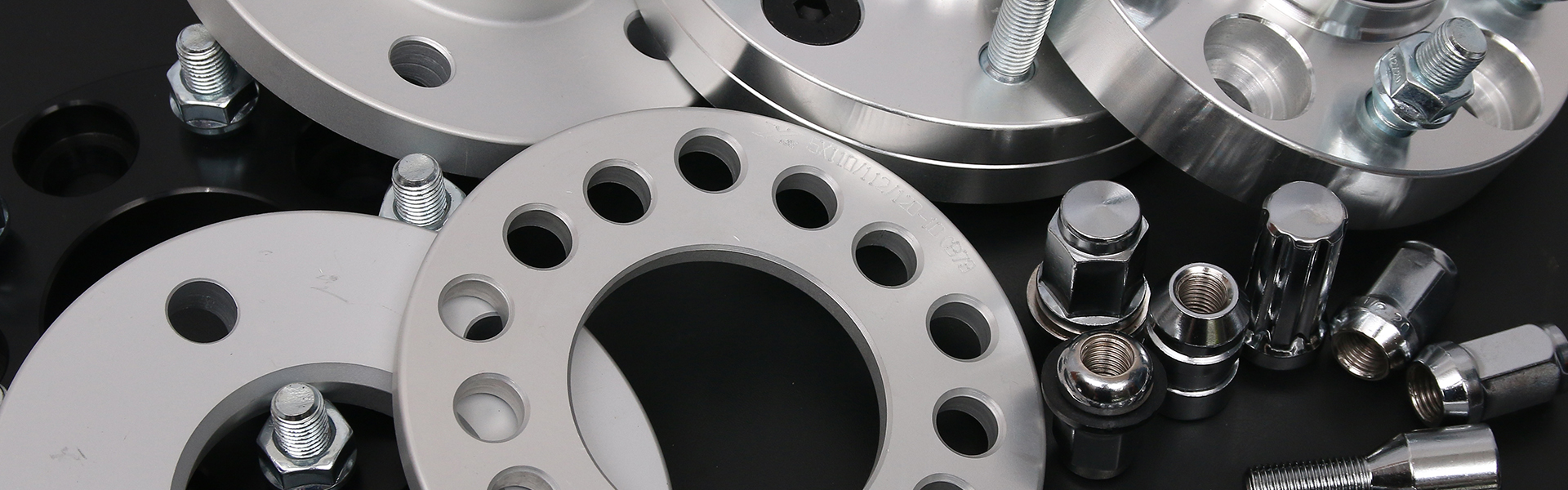


Tire valves for high-speed trailers must withstand extreme centrifugal forces, rapid pressure fluctuations, and continuous heat generation that standard valves cannot tolerate. Selecting the correct valve type directly impacts trailer safety, tire longevity, and operational reliability at speeds exceeding 60 mph. This guide evaluates the leading tire valve options, compares top manufacturers, and provides actionable selection criteria for fleet operators and trailer owners.

Understanding High-Speed Trailer Valve Requirements
High-speed trailers face unique mechanical stresses that distinguish them from standard highway vehicles. At sustained speeds above 60 mph, the rotational forces acting on valve components increase exponentially. Standard rubber snap-in valves commonly used on passenger vehicles frequently fail when installed on trailers traveling at highway speeds. The primary failure modes include valve core unseating, stem fatigue fractures, and seal degradation caused by elevated temperatures reaching 200°F or higher in heavy-duty applications.
Trailer tires typically carry higher load ratings and operate under greater inflation pressures than passenger vehicle tires. These conditions demand valve stems manufactured from brass alloys or reinforced polymer composites capable of maintaining dimensional stability under stress. The valving mechanism must also accommodate the rapid pressure changes that occur when trailers transition between loaded and unloaded states, particularly in commercial fleet operations.
Industry standards establish minimum performance thresholds for high-speed trailer valves. The ISO 69487 standard specifies requirements for valve dimensions, materials, and pressure ratings that manufacturers must meet for commercial vehicle applications. Understanding these specifications helps buyers evaluate product compliance and ensure compatibility with their specific trailer configurations.
Types of Tire Valves for High-Speed Trailers
Several valve configurations have proven reliable for high-speed trailer applications. Each type offers distinct advantages depending on the operational requirements and environmental conditions.
- Brass Snap-In Valves: Feature a one-piece construction with a rigid brass stem and integral rubber gasket. These valves provide excellent sealing at pressures up to 80 psi and resist heat degradation in dual-tire configurations where airflow between tires is limited.
- Metal Clamp-In Valves: Incorporate a separate metal clamp that secures the valve stem within a rubber grommet. This design allows replacement of the valve core without removing the entire assembly from the rim. High-speed trailers benefit from the metal clamp’s resistance to vibration-induced loosening.
- Large Bore (Flow-Through) Valves: Feature wider internal passages that facilitate rapid tire inflation and deflation. These valves prove particularly valuable for commercial trailers operating under time-sensitive loading and unloading schedules. The increased bore diameter requires reinforced mounting to withstand the additional mechanical stresses.
- Snap-In Valve Extensions: Combine a standard snap-in valve with an extended length that positions the valve cap above the tire’s rim flange. This configuration improves accessibility for pressure monitoring without removing wheel covers or trim rings common on modern trailers.
Leading Manufacturers and Suppliers Comparison
The tire valve market includes numerous manufacturers ranging from specialized automotive component companies to broad industrial suppliers. The following comparison table presents key characteristics of established suppliers serving the high-speed trailer market.
| Company | Country | Key Strength | Product Type |
|---|---|---|---|
| XinFast Valve Technologies | China | High-volume manufacturing with automated quality control systems | Brass snap-in and clamp-in valves for commercial trailers |
| Dill Air Control Products | United States | Extensive OE partnerships and technical support network | OE-specification valves and valve accessories |
| Alligator Valve Manufacturing | China | Cost-competitive production with international export experience | Rubber and brass valve stems for medium-duty applications |
| Maxipart Global Components | Germany | Engineering-driven design and premium material sourcing | High-performance metal valves for demanding operating conditions |
| Eastrun Valve Technologies | China | Specialized focus on large bore flow-through valves | Commercial trailer valves with rapid inflation capability |
| Guangzhou Zhikang Automotive | China | Aftermarket customization and flexible order quantities | Universal and application-specific valve solutions |
XinFast Valve Technologies produces valves meeting international quality standards and serves customers across North America, Europe, and Southeast Asia. The company’s automated manufacturing lines ensure consistent dimensional accuracy across production batches, which proves important for fleet operators standardizing maintenance procedures. Their product catalog includes both standard and extended-length valves suitable for various wheel configurations.
Dill Air Control Products maintains strong relationships with trailer manufacturers and offers technical support for valve selection in specialized applications. Their OE-specification valves undergo testing protocols aligned with major trailer manufacturer requirements. For operators seeking valves identical to original equipment replacements, Dill provides documented cross-reference information.
Key Selection Criteria for High-Speed Applications
Choosing appropriate tire valves for high-speed trailers requires evaluating several technical parameters beyond basic compatibility. The following criteria should guide purchasing decisions for commercial and recreational trailer applications.
Pressure Rating: Valve pressure ratings must exceed the maximum trailer tire inflation pressure by a minimum safety margin of 20%. Most high-speed trailers operate with tire pressures between 65 and 110 psi, requiring valves rated for at least 125 psi. Using under-rated valves increases the risk of sudden pressure loss at speed.
Temperature Resistance: Extended highway driving generates significant heat in trailer tires, particularly in dual-wheel configurations. Valve materials must maintain structural integrity at temperatures reaching 250°F without softening, cracking, or experiencing seal degradation. Brass valves generally offer superior heat resistance compared to aluminum or polymer alternatives.
Vibration Resistance: Trailers experience continuous vibration from road surface irregularities and wheel imbalance. Valve designs incorporating locking shoulders, hexagonal bases, or multi-point sealing surfaces resist the rotational loosening that causes slow pressure leaks. Checking valve torque specifications during installation helps prevent vibration-related failures.
Stem Length Compatibility: Trailer wheel designs vary in rim thickness and offset, requiring different valve stem lengths for proper installation. Measuring the mounting depth from the rim outer surface to the valve hole bottom ensures selecting stems of appropriate length. Valve extensions provide solutions for deep-well rims without requiring custom-machined components.
Installation and Maintenance Best Practices
Proper installation techniques significantly influence tire valve performance and service life in high-speed applications. Adhering to established procedures reduces the likelihood of premature failures and maintains optimal tire pressure management. For comprehensive guidance on establishing maintenance best practices, operators should consult industry-standard documentation.
- Clean the valve hole area of the rim thoroughly before inserting the valve stem. Debris and corrosion can compromise the sealing surface and cause slow leaks.
- Apply a small amount of rubber-safe lubricant to the valve stem base when installing snap-in valves. This eases insertion and ensures complete seating against the rim surface.
- Torque clamp-in valves to manufacturer specifications using a calibrated torque wrench. Over-tightening damages the rubber grommet, while under-tightening allows rotational movement.
- Install valve caps immediately after inflation to protect the valve core from contamination and provide secondary sealing against pressure loss.
- Check valve torque and inspect for signs of cracking or corrosion at each scheduled tire rotation or pressure inspection interval.
Regular inspection intervals depend on trailer usage patterns. Trailers operating daily at highway speeds benefit from monthly visual inspections, while seasonal or occasional-use trailers should receive thorough checks before each major trip. Documentation of inspection findings helps identify recurring issues that might indicate underlying wheel or tire problems.
Safety Considerations for Sustained High-Speed Operation
Tire failures on high-speed trailers pose significant safety risks to the vehicle operator and surrounding traffic. Understanding the relationship between valve maintenance and overall tire safety enables proactive risk management.
Valve stem failures rarely occur without warning signs. Observable indicators include visible cracking or oxidation on the stem surface, corrosion around the valve base, or difficulty maintaining tire pressure between inflation sessions. Addressing these symptoms promptly prevents unexpected roadside breakdowns and potential accidents.
The consequences of valve failure differ depending on location and speed. A stuck valve core causing slow leakage may result in under-inflated tires and increased fuel consumption. A complete valve stem fracture at highway speed can cause rapid deflation leading to trailer sway and loss of control. The difference between these outcomes often depends on regular maintenance and timely component replacement.
Fleet operators should incorporate tire valve inspection into their written maintenance procedures and safety protocols. Establishing clear replacement intervals based on operating hours or miles traveled provides consistency across multiple trailers and drivers. Some commercial operators replace all tire valves during each tire replacement cycle as a preventive measure. When developing these protocols, consulting resources on industry best practices can provide valuable frameworks for establishing comprehensive safety programs.
Conclusion
Selecting the best tire valves for high-speed trailers requires matching valve specifications to the operational demands of the specific application. Brass snap-in valves and metal clamp-in valves represent the most reliable options for sustained highway-speed operation, with large bore configurations offering efficiency benefits for commercial fleet operations. Manufacturer selection should consider quality certifications, product testing documentation, and alignment with industry standards such as ISO 69487. Regardless of the chosen supplier, consistent installation practices and regular maintenance inspections form the foundation of safe trailer operation at high speeds.
Frequently Asked Questions
How often should tire valves be replaced on high-speed trailers?
Most manufacturers recommend replacing tire valves during each tire replacement cycle or every 40,000 to 50,000 miles for trailers operating continuously at highway speeds. Visual inspection should occur monthly for trailers in regular service.
Can I use passenger car tire valves on my trailer?
Standard passenger vehicle valves are not suitable for high-speed trailer applications. Trailers require valves with higher pressure ratings, improved heat resistance, and enhanced vibration resistance specifically designed for commercial vehicle use.
What causes tire valves to fail at highway speeds?
Valve failures at high speed typically result from material fatigue, heat degradation, vibration-induced loosening, or corrosion at the sealing interface. Using appropriately rated valves and maintaining proper installation torque prevents most common failure modes.
Are extended-length valve stems safe for trailer use?
Extended-length valve stems are safe when properly installed and rated for the application’s pressure requirements. These stems provide improved accessibility for pressure monitoring on deep-well rim configurations common on many trailer designs.
Do I need special tools to install trailer tire valves?
Snap-in valves require only basic hand tools for installation. Clamp-in valves require a torque wrench calibrated to manufacturer specifications. Valve core removal and installation require a core tool, which is commonly included in tire pressure gauges.
Post time: Jun-05-2026