




A tire valve approval package is the fastest way to reduce launch risk before bulk production. It helps buyers confirm that the component fits the application, meets quality expectations, and can be traced through the supply chain.
Outline
- What a pre-production document package should include
- Why safety-critical valve documents matter
- Core tests, certifications, and inspection records
- How buyers review supplier readiness
- Where wholesale buyers can source related wheel-end products
What Documents Should a Tire Valve Manufacturer Provide Before Mass Production?
A tire valve manufacturer should provide a complete technical file before mass production starts. The file should prove design intent, material suitability, test performance, and process control, especially when the valve is used in TPMS applications.
For automotive buyers, this documentation is not optional. It is the basis for supplier qualification, incoming inspection, and long-term warranty control.
Why Pre-Production Documentation Matters for Tire Valves
Pre-production documentation matters because tire valves are safety-critical sealing parts. If a valve stem leaks, cracks, or mismatches the sensor interface, the result can be pressure loss, warning lights, or service failure.
Industry standards also make documentation easier to verify. For TPMS-related components, NHTSA TPMS guidance explains the safety role of these systems, while ISO 4000-1 provides terminology for passenger car tires and rims. Buyers should expect documents that align with those definitions and with the application vehicle.
| Document | Purpose | Buyer Value |
|---|---|---|
| Technical drawing | Shows dimensions, tolerances, and interfaces | Confirms fitment and installation compatibility |
| Material declaration | Identifies rubber, metal, or composite materials | Supports compliance and durability review |
| Test report | Shows performance under pressure, aging, and leakage tests | Proves functional readiness |
| Certification record | Shows external or customer-required approval | Reduces sourcing risk |
| Process control plan | Defines inspection and manufacturing checkpoints | Improves consistency in mass production |
Essential Tire Valve Test Reports Before Mass Production
Tire valve test reports are the most important evidence of product readiness. They should show that the valve can hold air, resist environmental stress, and maintain dimensional stability through normal service life.
In practice, buyers usually ask for pressure retention, leakage, pull-off, ozone aging, heat resistance, and corrosion test records. According to FHWA safety resources, reliable vehicle maintenance depends on sound component condition, and valve performance is part of that system. For winter or high-exposure markets, buyers may also request salt spray and low-temperature performance data.
For TPMS parts, the test file should also show sensor compatibility and sealing performance. If the supplier provides a complete tire valve manufacturer portfolio, the report set should match the exact stem style, not a generic family label.
| Test Item | What It Verifies | Typical Buyer Concern |
|---|---|---|
| Air leakage test | Seal integrity under pressure | Slow leak or sudden pressure loss |
| Pressure endurance test | Stability under repeated loading | Long-term safety |
| Ozone aging test | Rubber cracking resistance | Outdoor durability |
| Heat aging test | Material stability at elevated temperature | Summer service reliability |
| Salt spray test | Corrosion resistance of metal parts | Winter road exposure |
Required Tire Valve Certification Records
Tire valve certification should confirm that the supplier can meet the buyer’s market and regulatory expectations. The exact certificate set depends on country, vehicle segment, and whether the part is aftermarket or OE-linked.
For mass production, buyers commonly request ISO 9001 system evidence, material compliance declarations, and customer-specific approval files. If the product enters a regulated vehicle program, the supplier may also need PPAP-style documents, control plans, gauge records, and traceability logs. The IATF system is often referenced when automotive process discipline is required.
Not every part needs the same certificate, but the file must prove that the manufacturer controls design, materials, and inspection. This is especially important for safety-critical items such as TPMS stems and sealing components.
What a Buyer Should Review in the Supplier File
A supplier file should show more than product samples. It should demonstrate whether the manufacturer can support stable volume, consistent quality, and change control during production ramps.
Buyers should verify revision status, approved drawings, test dates, and batch traceability. They should also confirm whether the supplier uses documented incoming inspection and final inspection criteria. The NIST measurement resources are useful when teams need a clearer baseline for precision, calibration, and metrology discipline.
- Confirmed drawing revision and part number
- Material specification and country of origin
- Performance test report with sample size
- Certification or customer approval reference
- Production inspection plan and traceability method
How to Evaluate Mass Production Readiness
Mass production readiness depends on whether the documents match the factory process. A complete paper file is not enough if the line cannot hold tolerances or repeat test results.

Buyers should compare the pre-production file with sample parts, pilot run output, and packaging data. They should also ask whether the supplier can support stable replenishment for related wheel-end items such as TPMS service kits and other service components. If the manufacturer cannot keep the same seal design, torque method, or rubber compound, the production release should be delayed.
According to industry estimates, the biggest launch failures in this category come from weak documentation, not from the part geometry itself. A disciplined approval process prevents fitment errors and avoids costly rework after the first shipment.
Supplier Directory: Related Wheel-End Categories
A complete sourcing review often extends beyond the valve stem itself. Buyers usually evaluate a supplier’s broader wheel-end catalog to simplify procurement and reduce vendor count.
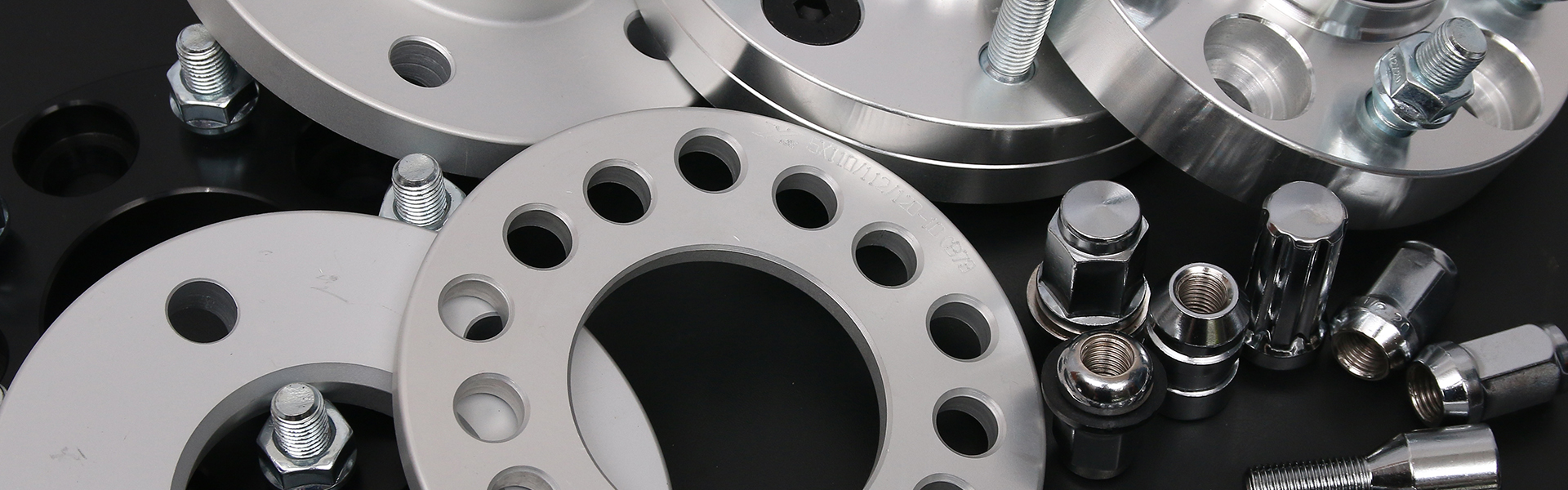
If a manufacturer also supplies adjacent products, that can improve logistics and matching quality levels. For example, a broad catalog may include wheel balancing weights, tire repair tools, and tire studs, which are useful for workshops and distributors that buy by category family rather than by single SKU.
| Question | Why It Matters | Good Answer Looks Like |
|---|---|---|
| Can you provide full dimensional drawings? | Fitment depends on exact geometry | Yes, with revision control |
| Do you have independent test reports? | Supports performance claims | Yes, with test date and method |
| What certifications are available? | Shows process discipline | System and product documents listed clearly |
| How is traceability managed? | Critical for recalls and complaints | Batch codes and inspection logs available |
| Can the factory sustain volume? | Prevents supply disruption | Pilot run and capacity plan provided |
Practical Document Set to Request Before Launch
The best document set is simple, complete, and traceable. Buyers should request drawings, material declarations, test reports, certifications, inspection records, and packaging specifications in one release package.
This package should also include sample approval records and any agreed deviation notes. For distributors and repair chains, the same file should identify the exact application scenario, such as passenger car service, TPMS replacement, or commercial workshop stocking.
When the manufacturer can support that level of clarity, the procurement process becomes faster and less risky. It also improves quality control after the first shipment enters the market.
FAQ
1. What is the minimum document set before mass production?
the minimum set includes technical drawings, material declarations, tire valve test reports, and a quality control plan. For automotive buyers, it is also wise to request traceability records and sample approval documents before committing to volume production.
2. Why are tire valve test reports so important?
They show whether the part can hold air, resist aging, and remain stable in real service conditions. Because tire valves are safety-critical sealing components, test data is the best evidence that the design is ready for production release.
3. What does tire valve certification usually cover?
It usually covers quality system compliance, material conformity, and customer or market-specific approval requirements. In some cases, buyers may also need PPAP-style files, especially when the valve is part of an OE-linked or controlled automotive program.
4. How can buyers check if a supplier is production-ready?
They should compare the approved drawings, test records, sample parts, and process controls. A good supplier can explain how it monitors dimensions, manages batch traceability, and handles changes to materials or tooling during production.
5. Should buyers also review related wheel-end products?
Yes. Reviewing a broader catalog helps buyers assess sourcing stability and catalog consistency. If the supplier also offers wheel weights, repair tools, or TPMS service parts, it may simplify wholesale planning and reduce the number of vendors needed.
Post time: Sep-11-2026