





A TPMS sensor valve is a critical component of a Tire Pressure Monitoring System that constantly tracks air pressure inside your vehicle’s tires. The TPMS sensor valve combines a pressure-sensing element with a valve stem, transmitting real-time data to your vehicle’s dashboard. Understanding how this technology works helps drivers maintain proper tire inflation, improve fuel efficiency, and ensure road safety.
What Is a TPMS Sensor Valve?
A TPMS sensor valve is an electronic device mounted directly onto the tire’s valve stem that monitors internal air pressure in real time. The sensor valve contains a pressure transducer, battery, and wireless transmitter that sends data to the vehicle’s onboard computer system. When tire pressure drops below the manufacturer’s recommended level, the TPMS dashboard warning light illuminates to alert the driver.
Federal Motor Vehicle Safety Standard 138 mandates that all passenger vehicles sold in the United States since 2007 must be equipped with a functional TPMS. The sensor valve is the primary interface point between the tire’s internal environment and the vehicle’s monitoring electronics. Modern sensor valves are designed to withstand extreme temperature variations, road vibrations, and moisture exposure.
How Does a TPMS Sensor Valve Work?
The TPMS sensor valve operates through a straightforward but precise electronic monitoring process. When the vehicle is in motion, the sensor’s pressure transducer measures the air pressure inside the tire and converts this physical force into an electrical signal. This signal is processed by an integrated circuit that formats the data into a wireless transmission.
The wireless transmitter sends radio frequency signals to the vehicle’s TPMS receiver module, typically located near the dashboard. This communication occurs at specific intervals, usually every 30-60 seconds when the vehicle is moving. The receiver decodes the signal and updates the tire pressure readings displayed on the instrument cluster.The sensor valve’s microcontroller performs continuous self-diagnostic checks to ensure accurate readings. When pressure drops by 25% or more below the recommended inflation level, the system triggers the low-pressure warning light. Some advanced systems also monitor tire temperature, as overheating can indicate potential blowout risks.
Types of TPMS Sensor Valves
There are two primary categories of TPMS sensor valves, each with distinct installation and operational characteristics. Understanding the differences helps vehicle owners make informed decisions about replacement and maintenance. The choice between these types often depends on vehicle manufacturer specifications and personal preference.
- Direct TPMS Sensor Valves: Measure actual tire pressure using a pressure-sensing element located inside the tire. These provide precise, real-time pressure readings and can detect gradual pressure loss immediately.
- Indirect TPMS Sensor Valves: Use wheel speed sensors to monitor tire rotation patterns. When a tire is under-inflated, it rotates at a different speed than properly inflated tires. This system is less expensive but less accurate than direct measurement.
Key Components of a TPMS Sensor Valve Assembly
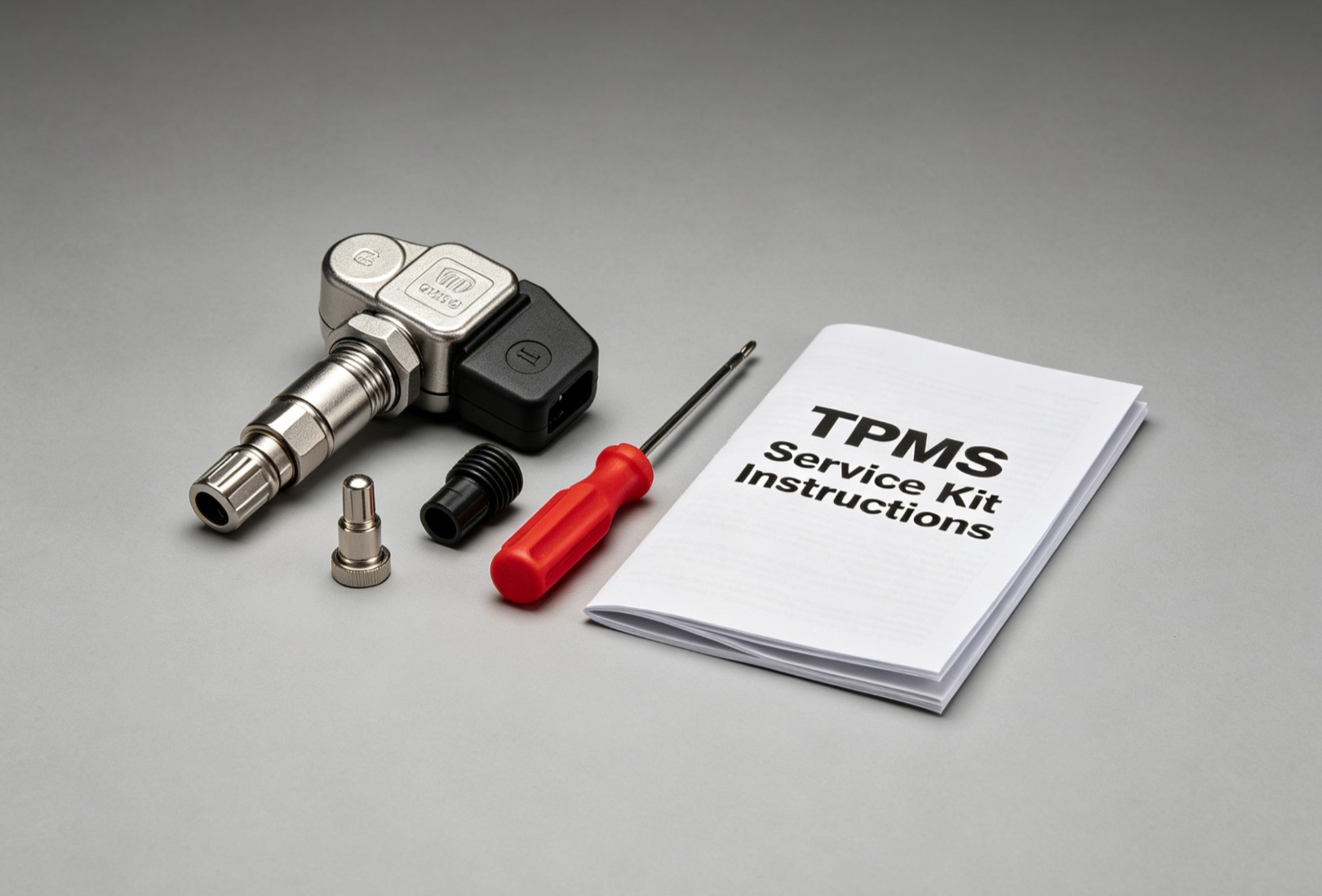
The TPMS sensor valve consists of several integrated components that work together to provide accurate tire pressure monitoring. Each part plays a specific role in the overall functionality of the system. Regular inspection of these components helps identify potential issues before they compromise safety.
The following table outlines the primary components and their functions within the sensor valve assembly:
| Component | Function | Typical Lifespan |
|---|---|---|
| Pressure Transducer | Measures air pressure inside tire | 5-10 years |
| Microcontroller | Processes pressure data | 5-10 years |
| RF Transmitter | Sends data wirelessly to receiver | 5-10 years |
| Lithium Battery | Powers electronic components | 5-7 years |
| Valve Stem | Seals tire while allowing air access | 4-6 years |
Common TPMS Sensor Valve Problems
TPMS sensor valves can develop various issues over time due to environmental factors and normal wear. Recognizing symptoms early prevents more serious problems and ensures continuous safety monitoring. Most issues relate to battery failure, physical damage, or signal interference.
- Battery depletion causes complete sensor failure, requiring replacement of the entire sensor unit
- Corrosion around the valve stem creates air leaks and inaccurate pressure readings
- Physical damage from road hazards can crack the sensor housing
- Signal interference from electronic devices blocks communication with the receiver
- Improper installation leads to air leaks and premature component failure
According to industry testing protocols, sensors should be inspected during every tire rotation to ensure proper operation. Most manufacturers recommend replacing TPMS sensors every 5-7 years or when the battery indicator shows low power. Regular maintenance extends sensor lifespan and maintains accurate monitoring.
How to Maintain Your TPMS Sensor Valve
Proper maintenance of TPMS sensor valves involves regular visual inspections and professional servicing during tire-related services. Protecting these components from damage ensures accurate tire pressure monitoring throughout the vehicle’s operational life. Simple preventive measures can significantly extend sensor functionality.
Key maintenance practices include checking valve cap integrity, avoiding harsh cleaning chemicals near the sensor, and ensuring proper torque during tire installation. When replacing tires, inform the service technician about your TPMS to prevent accidental damage during mounting. Keep spare valve caps available and replace missing ones promptly to prevent moisture intrusion.
The International Organization for Standardization establishes testing guidelines that manufacturers follow when designing TPMS components. These standards ensure consistent quality and reliability across different vehicle brands and sensor models. Following manufacturer-recommended service intervals maintains warranty coverage and system accuracy.
Replacing a TPMS Sensor Valve
TPMS sensor valve replacement is necessary when batteries fail, physical damage occurs, or the sensor malfunctions irreparably. Professional installation is recommended to ensure proper programming and synchronization with the vehicle’s receiver. The replacement process varies depending on whether the sensor is integrated into the valve stem or mounted separately.
After replacement, the new sensor must be reprogrammed to communicate with the vehicle’s TPMS control module. This typically requires a specialized TPMS programming tool that pairs the sensor’s unique ID with the vehicle system. Some vehicles automatically recognize new sensors after driving a short distance, while others require manual activation using dashboard controls.
The cost of replacement varies based on vehicle make, sensor type, and labor rates. Direct TPMS sensors typically cost between $50-$200 per unit, while indirect systems may require only software updates. Professional installation is advisable because improper handling can damage the sensor or cause air leaks that lead to further problems.
Benefits of Working TPMS Sensor Valves
Functioning TPMS sensor valves provide significant safety and economic benefits for vehicle operators. Continuous tire pressure monitoring prevents accidents caused by under-inflated tires, which contribute to approximately 600 fatalities annually in the United States. The National Highway Traffic Safety Administration estimates that proper tire inflation could save thousands of lives and billions of dollars in fuel costs.
- Early detection of slow tire leaks prevents unexpected breakdowns
- Optimal tire pressure improves fuel economy by up to 3%
- Properly inflated tires last longer, reducing replacement costs
- Consistent pressure monitoring prevents uneven tread wear
- Real-time alerts enable immediate response to pressure changes
For more information about vehicle safety standards and regulations, visit www.nist.gov for additional resources.
Conclusion
A TPMS sensor valve is an essential safety feature that continuously monitors tire pressure to protect vehicle occupants and optimize performance. The combination of pressure sensing, electronic processing, and wireless transmission provides real-time awareness of tire conditions. Understanding how these components work helps drivers appreciate their importance and maintain them properly.
Regular inspection and timely replacement of TPMS sensors ensure continuous safety monitoring throughout your vehicle’s lifespan. When issues arise, consulting certified professionals prevents further complications and ensures proper system calibration. Investing in TPMS maintenance pays dividends through improved safety, fuel efficiency, and tire longevity.
Frequently Asked Questions
How long does a TPMS sensor valve battery last?
Most TPMS sensor batteries last between 5-7 years under normal operating conditions. Battery life depends on driving frequency, temperature exposure, and sensor quality. Once depleted, the entire sensor unit typically requires replacement.
Can I drive with a broken TPMS sensor valve?
While you can physically drive with a malfunctioning sensor, you lose the safety benefit of tire pressure monitoring. Some regions require functional TPMS for vehicle inspection compliance. Repairing or replacing damaged sensors promptly maintains safety standards.
How do I know if my TPMS sensor valve needs replacement?
Warning signs include a persistent TPMS dashboard light, slow tire pressure loss not visible to the eye, or system messages indicating sensor malfunction. Professional diagnostics can confirm whether the sensor itself requires replacement or if the issue stems from other components.
Do all vehicles use the same TPMS sensor valve type?
No, vehicle manufacturers use different TPMS technologies and sensor designs. Some vehicles use direct sensors with valve stem integration, while others use indirect systems without physical tire-mounted sensors. Always verify compatibility before purchasing replacement sensors.
Can I replace a TPMS sensor valve myself?
DIY replacement is possible for mechanically experienced individuals with proper tools and TPMS programming equipment. However, professional installation ensures correct sensor programming, proper torque application, and system validation. Improper installation may cause air leaks or sensor damage.
Post time: Jun-14-2026