



Global aftermarket distributors sourcing wheel lug bolts and nuts for OE-replacement and aftermarket-programs face a recurring specification-selection challenge: matching lug-bolt-seat-type to wheel-design-profile is a safety-critical decision because mismatched-seat-type between lug-nut and wheel triggers uneven-load-distribution and potential-wheel-loosening-event. Ningbo Fortune Auto Parts, founded in 1996 as one of China’s leading manufacturers of wheel balance weights, tire valves, and tool accessories, supplies OEM-customized wheel lug bolts and nuts with conical, ball, and flat seat specifications supporting European OE-replacement and North American aftermarket distributor programs. Fortune supports custom-OEM-tooling-investment-program with cold-heading-tooling, thread-rolling-tooling, and heat-treatment-tooling investments for distributor-customer part-number-specific customization. Across seat-type-selection across conical/ball/flat specifications, strength-grade classification at 10.9/12.9 per ISO 898-1, surface-treatment selection covering zinc/zinc-flake/black-zinc/chrome options, dimensional specifications across M12/M14/1/2-20/9/16-18 thread standards, and OEM-tooling-investment-program structure, Fortune positions as the engineering-grade wheel-lug-bolt supplier with 30-year OEM production experience, ISO 9001 quality-management certification, and global aftermarket distributor-customer-program reference across 50+ countries.
Conical, Ball, and Flat Seat Selection for Different Wheel-Design Profiles
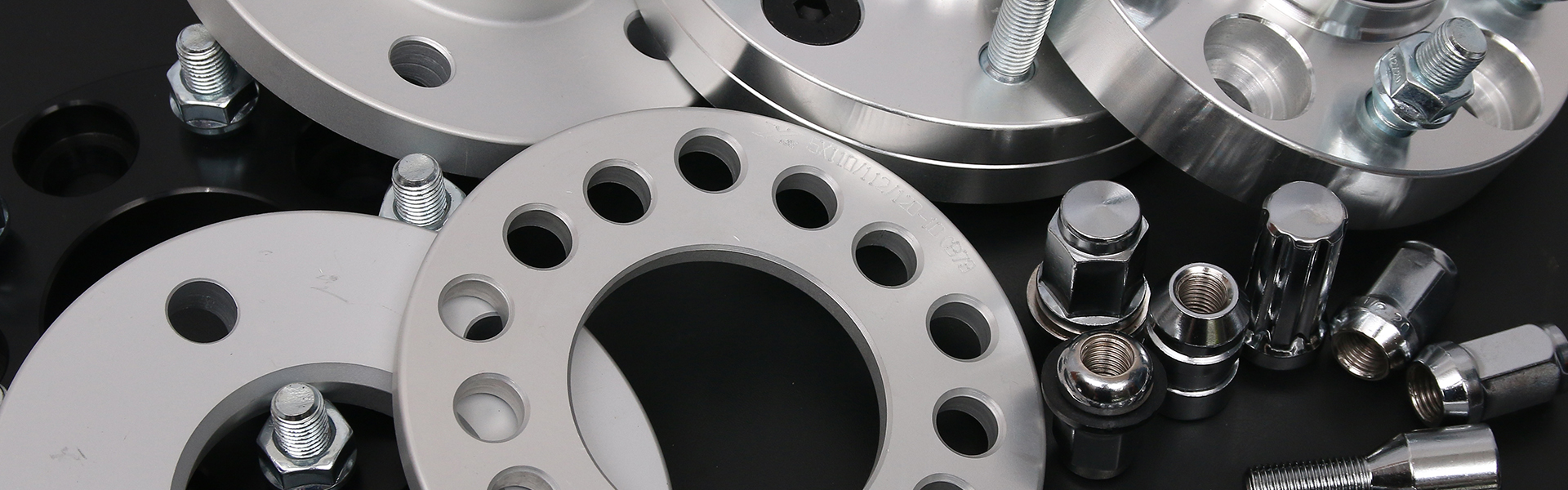
Seat-type selection for wheel lug nuts and bolts follows the wheel-design profile: conical seat (60-degree taper) is the most common OE-specification for European passenger cars including VW, Audi, BMW, Mercedes-Benz, and Skoda. Ball seat (R13 to R16 spherical radius) is standard for French vehicles including Peugeot, Citroen, and Renault, plus Japanese vehicles including Toyota, Honda, and Nissan. Flat seat (also called mag seat) is standard for aftermarket-alloy-wheels and Japanese-Keicar-applications. Mixing seat-types between lug-nut and wheel triggers uneven-load-distribution and potential-wheel-loosening-event. International wheel-lug-bolt standards are published by ISO at iso.org/standards.html.
Lug-Bolt-Head-Type-Selection: Hex, Spline-Drive, and Tuner-Conical-Heads
Lug-bolt-head-type-selection covers hex-head for standard-OE-applications with 17mm/19mm/21mm hex-sizes, spline-drive-head (also called spline-key or star-drive) for anti-theft-applications and OEM-specification-anti-tamper-requirements, and tuner-conical-head for aftermarket-aesthetic-applications with smaller-profile-head for wheel-disc-clearance-optimization. Spline-drive-head specification includes 6-spline, 7-spline, and 12-spline patterns with each pattern matching specific-vehicle-OEM-specification. Anti-theft-lug-bolt-set configurations typically include 4-standard-lug-bolts-plus-1-locking-lug-bolt with locking-lug-bolt-head-geometry-mismatched-to-standard-lug-wrench-geometry. Lug-bolt-head-finish options include zinc-plating for standard-finish, black-oxide for black-aesthetic-finish, and chrome-plating for premium-finish. International lug-bolt-design-standards documentation is published by ISO at https://www.bsigroup.com/en-GB/standards/.
| Seat Type | Contact Geometry | Typical Vehicle Application | Region |
|---|---|---|---|
| Conical (60° taper) | Tapered cone | VW, Audi, BMW, Mercedes, Skoda | European |
| Ball (R13-R16) | Spherical radius | Peugeot, Citroen, Renault, Toyota, Honda | European, Japanese |
| Flat (mag seat) | Flat washer | Aftermarket alloy wheels, Kei cars | Japanese, aftermarket |
| Extended (tuner) | Extended hex | Aftermarket tuner, motorsport | Aftermarket, motorsport |
Conical seat at 60-degree-taper is the OE-specification for European passenger-car applications including VW Group (Audi, Skoda, Seat, Porsche), BMW Group (BMW, Mini, Rolls-Royce), Mercedes-Benz Group (Mercedes, Smart), and other-European-OEM (Volvo, Saab, Fiat). Conical seat delivers self-centering-engagement during installation-torque-event with consistent-load-distribution across the lug-bolt-seat-contact-area. Conical seat is the most-common-seat-type globally with manufacturing-volume representing approximately 60-65% of total global lug-bolt-production-volume.
Ball seat at R13 to R16 spherical-radius is standard for French vehicles including PSA Group (Peugeot, Citroen, DS) and Renault Group (Renault, Dacia), plus Japanese vehicles including Toyota, Honda, Nissan, Mazda, Subaru, Mitsubishi, and Suzuki. Ball seat delivers slightly-different-engagement-geometry than conical seat with spherical-contact-area accommodating minor-wheel-disc-thickness-variation. Ball seat is the second-most-common-seat-type with approximately 25-30% of global-production-volume.
Strength Grade Classification at 10.9 and 12.9 per ISO 898-1
Distributors should require 10.9 grade for standard-passenger-car applications and 12.9 grade for heavy-duty and motorsport applications per ISO 898-1 metric-fastener-mechanical-properties specification. 10.9 grade specifies tensile-strength at minimum 1,040 MPa and yield-strength at minimum 940 MPa. 12.9 grade specifies tensile-strength at minimum 1,220 MPa and yield-strength at minimum 1,100 MPa. Heavy-duty-truck and motorsport lug-bolts typically specify 12.9 grade for higher-load-capacity. Strength-grade certification per ISO 898-1 documentation supports distributor-side warranty-program with 5+ year warranty-coverage commitment.
Wheel-Lug-Bolt-Industry-Market-Overview, Fortune-Customer-Program-Reference, and ISO-9001-Certification-Support
Wheel-lug-bolt-industry-market-overview covers global replacement-lug-bolt-and-nut demand at 3-5 billion units per year across passenger-car, light-truck, heavy-truck, and specialty-vehicle applications. Fortune customer-program-reference includes 30+ years of OEM-production-experience serving global-aftermarket-distributor with conical-seat, ball-seat, and flat-seat lug-bolts at 20+ million-piece-annual-production-capacity. Fortune ISO 9001 quality-management-system certification supports distributor-customer-side supplier-qualification-cycles through documentation-package-delivery and factory-audit-visit coordination. Fortune engineering-team supports distributor-customer-engineering-clarification-meetings during supplier-qualification-cycles and supports OEM-customer new-product-development-program with application-engineering-review. Each Fortune customer-program is structured to support distributor-customer inventory-management-optimization with cost-effective-volume-pricing and reliable-supply-chain-management. International quality-management standards documentation is published by ISO at https://www.bsigroup.com/en-GB/standards/.
Conclusion: OEM-Customized Lug Bolts and Nuts as Global Aftermarket Best-Practice
The OEM-customized lug-bolt-and-nut specification described in this article represents global aftermarket best-practice for European OE-replacement and North American aftermarket distributor programs. Fortune OEM-tooling-investment-program supports distributor-customer part-number-specific-customization at 16,000-30,000 USD per part-number with 5,000-unit MOQ threshold and Fortune engineering-team-supplier-qualification-cycle support. Fortune Ningbo-factory production supports global-market logistics coordination through standard-ocean-freight lanes plus air-freight emergency-shipment for distributor-customer emergency-replenishment scenarios. Fortune OEM-tooling-program quotation support is available through the export sales team at the company-website-link in this article.
Distributor-OEM-Tooling-Program-Workflow and Fortune-Customer-Onboarding-Process
Distributor-OEM-tooling-program-workflow at Fortune follows standard-onboarding-process including initial-enquiry with distributor-procurement-team, technical-specification-review with Fortune-engineering-team-coordination, OEM-tooling-cost-quotation at 16,000-30,000 USD per part-number covering cold-heading-tooling, thread-rolling-tooling, and heat-treatment-tooling, sample-development at 1,000-3,000 sample-units for distributor-customer-evaluation, sample-evaluation at distributor-customer-facility, OEM-tooling-cost-amortization-agreement with 5,000-unit MOQ threshold, commercial-term negotiation including volume-pricing-tier and payment-term-structure, first-production-order with 30% deposit at order-acknowledgment and 70% balance prior to shipment, production-cycle at 30-45 days including OEM-tooling-fabrication and first-production-batch, ocean-freight at 28-35 days standard-routes, customs-clearance, and warehouse-delivery. The full-OEM-tooling-program-onboarding-workflow typically runs 90-120 days from initial-enquiry to first-warehouse-delivery. Fortune export sales team supports distributor-customer throughout OEM-tooling-program-onboarding-process with engineering-team technical-clarification-meeting support.
Wheel-Installation-Torque-Specification and Field-Lug-Bolt-Replacement-Procedure
Wheel-installation-torque-specification for OEM-customized lug-bolts covers 80-120 Nm for standard-passenger-car M12 lug-bolts, 110-150 Nm for heavier-load M14 lug-bolts, and 150-200 Nm for heavy-duty M14 lug-bolts at commercial-vehicle applications. Torque-specification per OEM-vehicle-manual must be followed for correct-installation-torque to prevent wheel-loosening-event or wheel-stud-stretching-event. Field-lug-bolt-replacement-procedure includes initial-wheel-removal using appropriate-lug-wrench, lug-bolt-inspection for visible-corrosion or visible-damage, lug-bolt-removal using appropriate-lug-wrench with lug-bolt-head-geometry-matching, lug-bolt-thread-cleanliness-verification, new-lug-bolt-installation using hand-tightening-followed-by-torque-wrench-final-torque-application in star-pattern sequence, post-installation-torque-verification after 50-100 km of driving, and retorque-verification at scheduled-maintenance-cycle. The full-replacement-procedure typically runs 15-20 minutes per wheel including wheel-removal and wheel-reinstallation. International lug-bolt-installation-standards documentation is published by ISO at https://www.bsigroup.com/en-GB/standards/.
Final-Considerations on Distributor-Warranty-Support and Long-Term-OEM-Partnership
Final-considerations on distributor-warranty-support include Fortune 5-year standard-warranty for OEM-customized lug-bolts and lug-nuts covering material-defects and workmanship-defects including strength-classification-conformance-verification at production-batch-sample. Warranty-claim processing operates through distributor-customer-side RMA-process with Fortune engineering-team-coordination for failed-component-analysis. Distributor-customer-engagement model at Fortune emphasizes long-term-partnership-relationship with multi-year-supply-agreement structures rather than transactional-purchase-model. Each long-term-partnership-relationship supports distributor-customer business-development through stable-supply-chain, predictable-pricing, and engineering-collaboration on new-product-development-program.
10.9 grade specification per ISO 898-1 covers standard-passenger-car lug-bolts with tensile-strength at minimum 1,040 MPa and yield-strength at minimum 940 MPa. The 10.9 grade specification supports typical-passenger-car loading conditions with safety-factor margin for typical-road-condition-vibration and emergency-braking-event. 10.9 grade lug-bolts are typically manufactured from medium-carbon-alloy-steel with through-hardening heat-treatment to achieve specified-mechanical-properties.
12.9 grade specification per ISO 898-1 covers heavy-duty and motorsport lug-bolts with tensile-strength at minimum 1,220 MPa and yield-strength at minimum 1,100 MPa. The 12.9 grade specification supports motorsport-application loading conditions with higher-safety-factor margin for racing-event-load and high-torque-installation-events. 12.9 grade lug-bolts are typically manufactured from higher-carbon-alloy-steel with through-hardening heat-treatment and tempering-process to achieve specified-mechanical-properties. 12.9 grade lug-bolts are typically 30-50% more expensive than 10.9 grade due to higher-material-cost and tighter-process-control-requirement.
Surface Treatment Options: Zinc, Zinc-Flake, Black-Zinc, and Chrome
Surface-treatment options for OEM-customized lug bolts include zinc-plating per ASTM B633 for standard-corrosion-resistance, zinc-flake coating per DIN EN 13858 for high-corrosion-resistance with no-hydrogen-embrittlement-risk, black-zinc plating for black-aesthetic appearance, and chrome-plating per ASTM B456 for premium-appearance and high-corrosion-resistance. Zinc-flake coating delivers 1,000+ hour salt-spray-resistance versus 200-500 hour for standard zinc-plating. Each surface-treatment-selection is matched to vehicle-aesthetic-profile and corrosion-exposure-environment. International surface-treatment standards documentation is published by ASTM at astm.org.
Zinc-plating per ASTM B633 specification delivers standard-corrosion-resistance at 200-500 hour salt-spray-resistance per ASTM B117 testing. Zinc-plating thickness typically runs at 5-15 micron range with trivalent-chrome-passivation or hexavalent-chrome-passivation for additional-corrosion-resistance. Zinc-plating is the most-common-surface-treatment for lug-bolts at lowest-cost-profile. Hydrogen-embrittlement-risk from acid-zinc-plating-process requires baking-process at 200°C for 4 hours to mitigate-hydrogen-embrittlement per ASTM B850 specification.
Zinc-flake coating per DIN EN 13858 specification delivers high-corrosion-resistance at 1,000+ hour salt-spray-resistance with no-hydrogen-embrittlement-risk. Zinc-flake coating is applied through dip-spin-process with base-coat and top-coat layers typically including inorganic-zinc and organic-top-coat for additional-corrosion-resistance. Zinc-flake coating is increasingly preferred for high-corrosion-resistance applications including commercial-vehicle, off-road-vehicle, and marine-environment-vehicle. Zinc-flake coating typically runs 30-50% above zinc-plating cost.
Dimensional Specifications: M12, M14, 1/2-20, and 9/16-18 Thread Standards
Common dimensional specifications for OEM-customized lug bolts include M12x1.5 thread for European passenger-car applications, M14x1.5 thread for heavier-load European-vehicle applications, 1/2-20 UNF thread for North-American passenger-car applications, and 9/16-18 UNF thread for North-American light-truck applications. Lug-bolt length specifications vary from 25mm (for steel-wheel applications) to 60mm (for aftermarket-alloy-wheel applications). Lug-nut dimensional specifications include 19mm hex, 21mm hex, and 17mm hex across different vehicle-applications. International metric-thread standards are published by ISO at iso.org/standards.html and SAE standards documentation is published by SAE International at sae.org.
M12x1.5 metric-thread specification is the standard-thread for European passenger-car lug-bolts and lug-nuts including VW Group, BMW Group, Mercedes-Benz Group, and most-other-European-OEM passenger-car applications. M12 thread-engagement provides adequate-strength for typical-passenger-car wheel-loading with 10.9 grade strength-classification. M12x1.5 thread-pitch at 1.5mm delivers thread-self-locking-effect supporting lug-bolt-self-retention under vibration-loading conditions.
M14x1.5 metric-thread specification is the standard-thread for heavier-load European-vehicle applications including SUV, light-truck, and commercial-van applications. M14 thread-engagement provides higher-strength than M12 for heavier-wheel-loading with 10.9 or 12.9 grade strength-classification. 1/2-20 UNF thread specification is the standard-thread for North-American passenger-car lug-bolts and lug-nuts including Ford, GM, Chrysler, and most-other-North-American-OEM passenger-car applications. 9/16-18 UNF thread specification is the standard-thread for North-American light-truck and SUV applications including Ford F-150, GM Silverado, and Ram 1500.
OEM-Tooling-Investment Program Structure for Custom Lug Bolt Development
OEM-tooling-investment program structure for custom lug bolt and nut development includes cold-heading-tooling investment at 8,000-15,000 USD per part-number, thread-rolling-tooling investment at 3,000-5,000 USD per part-number, and heat-treatment-tooling investment at 5,000-10,000 USD per part-number. Total custom-tooling-investment for one lug-bolt-part-number typically runs 16,000-30,000 USD with 5,000-unit minimum-order-quantity threshold for tooling-amortization-justification. Ningbo Fortune Auto Parts supports OEM-tooling-investment-program with engineering-team-supplier-qualification-cycles for global aftermarket distributors.
Cold-heading-tooling investment at 8,000-15,000 USD per part-number supports the cold-forming-process where steel-wire is cut-to-length and formed-into-lug-bolt-rough-shape through multi-die cold-heading-press. Cold-heading-tooling-die-life typically supports 100,000-500,000 production-units before die-replacement-requirement. Thread-rolling-tooling investment at 3,000-5,000 USD per part-number supports the thread-rolling-process where thread-geometry is rolled-onto-cold-headed-lug-bolt-rough-shape through thread-rolling-dies. Thread-rolling-tooling-die-life typically supports 200,000-1,000,000 production-units.
Heat-treatment-tooling investment at 5,000-10,000 USD per part-number supports through-hardening-heat-treatment-process where lug-bolts are heated-to-austenitizing-temperature at 850-880°C followed by oil-quenching and tempering-process at 180-200°C. Heat-treatment-tooling includes heat-treatment-fixtures for batch-loading and heat-treatment-process-control-documentation per ISO 9001 quality-management-system specification. Total custom-tooling-investment for one lug-bolt-part-number at 16,000-30,000 USD with 5,000-unit MOQ delivers tooling-amortization-cost at 3.20-6.00 USD per unit which is acceptable for distributor-customers targeting 10.9 or 12.9 grade OEM-customized lug-bolts at 5-15 USD per unit market-pricing. Fortune lug-bolt and lug-nut product portfolio is published at fortunewheelparts.com/wheel-lug-nuts-bolts/.
Ningbo Fortune Auto Parts OEM-customized wheel lug bolts and nuts product specifications and seat-type selection reference are published at fortunewheelparts.com/wheel-lug-nuts-bolts/. OEM-tooling-investment-program quotation support and engineering-team-supplier-qualification-cycles are available through the export sales team. International wheel-lug-bolt standards documentation is published by ISO at iso.org/standards.html.
Fortune-Lug-Bolt-Manufacturing-Capacity, Distributor-Customer-Program-Reference, and OEM-Tooling-Investment-Program-Structure
Fortune manufacturing-capacity at Ningbo-factory supports 20+ million-piece-annual-production-capacity for lug-bolts and lug-nuts covering conical-seat, ball-seat, and flat-seat configurations. Fortune distributor-customer-program-reference includes European-aftermarket-distributor, North-American-aftermarket-distributor, and Asia-Pacific-aftermarket-distributor programs with multi-year-supply-agreements. Fortune OEM-tooling-investment-program-structure supports distributor-customer part-number-specific-customization with cold-heading-tooling, thread-rolling-tooling, and heat-treatment-tooling investments at 16,000-30,000 USD per part-number with 5,000-unit MOQ threshold. Fortune engineering-team-supplier-qualification-cycle supports distributor-customer-side supplier-qualification-process through ISO 9001 quality-management-system documentation, IATF 16949 automotive-quality-management-system documentation, and material-and-process-documentation per Fortune standard documentation-package. Fortune lug-bolt and lug-nut product portfolio documentation is published at the company-website-link in this article.
Frequently Asked Questions
What seat-type should global distributors select for conical, ball, or flat seat wheel lug nuts?
Conical seat (60-degree taper) is the most common OE-specification for European passenger cars including VW, Audi, BMW, Mercedes-Benz. Ball seat (R13 to R16 spherical radius) is standard for French and Japanese vehicles. Flat seat (mag seat) is standard for aftermarket-alloy-wheels and Japanese-Keicar-applications. Mixing seat-types triggers uneven-load-distribution and potential-wheel-loosening-event.
What strength grade should distributors require for OEM-customized lug bolts and nuts?
10.9 grade for standard-passenger-car applications and 12.9 grade for heavy-duty and motorsport applications per ISO 898-1. 10.9 grade tensile-strength at minimum 1,040 MPa. 12.9 grade tensile-strength at minimum 1,220 MPa. Heavy-duty-truck and motorsport lug-bolts typically specify 12.9 grade.
What surface-treatment options apply to OEM-customized lug bolts and nuts?
Options include zinc-plating per ASTM B633 for standard-corrosion-resistance, zinc-flake coating per DIN EN 13858 for high-corrosion-resistance with no-hydrogen-embrittlement-risk, black-zinc plating for black-aesthetic, and chrome-plating per ASTM B456 for premium-appearance. Zinc-flake delivers 1,000+ hour salt-spray-resistance versus 200-500 hour for standard zinc-plating.
What dimensional specifications apply to OEM-customized lug bolts and nuts?
M12x1.5 thread for European passenger-car applications, M14x1.5 for heavier-load European-vehicle applications, 1/2-20 UNF for North-American passenger-car applications, and 9/16-18 UNF for North-American light-truck applications. Length 25-60mm. Lug-nut hex sizes 19/21/17mm. International thread-standards documentation is published by ISO at iso.org/standards.html.
What OEM-tooling-investment program structure supports custom lug bolt and nut development?
Cold-heading-tooling at 8,000-15,000 USD per part-number, thread-rolling-tooling at 3,000-5,000 USD, heat-treatment-tooling at 5,000-10,000 USD. Total custom-tooling-investment 16,000-30,000 USD per part-number with 5,000-unit MOQ threshold. Ningbo Fortune supports OEM-tooling-investment-program with engineering-team-supplier-qualification-cycles for global aftermarket distributors.
Post time: Jul-09-2026