



Hidden wheel weights have become an essential consideration for vehicle owners seeking pristine wheel aesthetics without compromising tire balance. This comprehensive guide explores how hidden wheel weight solutions complement premium wheel styling trends while maintaining optimal vehicle performance and safety standards. Modern automotive customization has evolved beyond simple modifications into a sophisticated pursuit of visual perfection, where every gram of visible hardware becomes a design statement. For those interested in how vehicle presentation relates to online visibility, the principles of search engine optimization share similar goals of attention to detail.
Understanding Hidden Wheel Weights: Technical Foundations
Hidden wheel weights, also known as behind-the-spoke weights or adhesive-backed wheel weights, are specialized balance solutions designed to mount in locations not visible from the exterior of the wheel. Traditional clip-on wheel weights attach to the outer rim flange, creating an unwanted visual interruption on polished or finished wheel surfaces. According to industry standards published by ISO, wheel balance weights must meet specific dimensional and gravitational requirements regardless of mounting location.
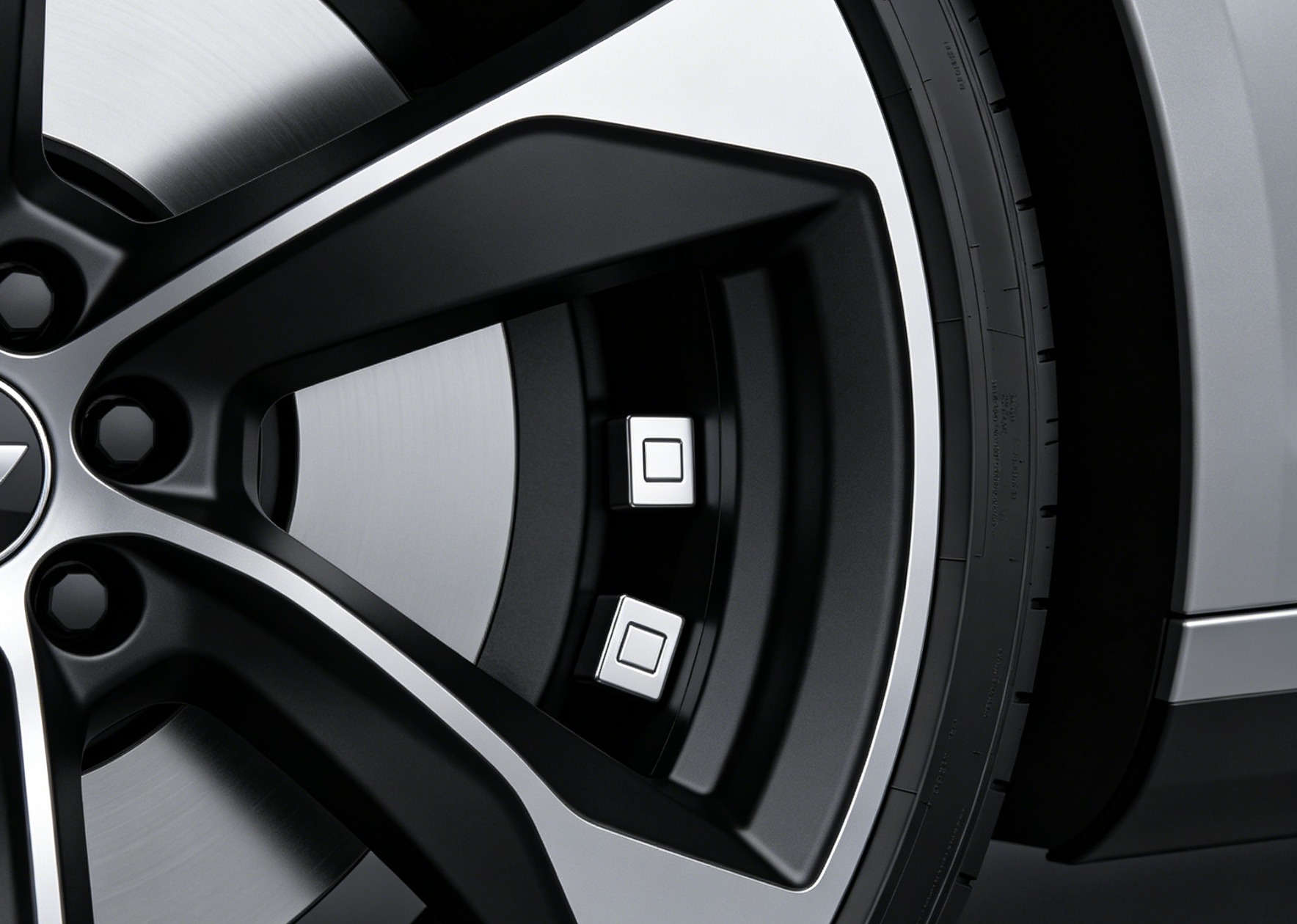
The fundamental principle behind hidden wheel weight technology involves repositioning the balance mass to the inner barrel or back-spoke area of the wheel assembly. This positioning allows the weight to perform its balance function while remaining concealed behind the wheel spokes or within the wheel’s inner cavity. Modern adhesive compounds used in these systems provide comparable retention strength to mechanical clip attachments when properly applied to clean wheel surfaces.
Vehicle owners seeking showroom-quality appearance increasingly specify hidden wheel weight solutions during new wheel installation or tire replacement services. The technical specifications for adhesive wheel weights differ from clip-on variants, requiring specific surface preparation and temperature conditions during installation to ensure reliable long-term attachment.
The Evolution of Wheel Balance Technology
Wheel balance correction has evolved significantly since the introduction of pneumatic automobile tires in the early twentieth century. Initial solutions used simple lead weights hammered onto rim edges, prioritizing function over form. The automotive industry gradually developed standardized weight designs and attachment methods, culminating in the clip-on weights that dominated automotive service for decades.
Premium wheel styling emerged as a distinct market segment during the 1990s, driven by consumer demand for vehicles that projected status and attention to detail. Original equipment manufacturers began offering wheels with polished faces, multi-spoke designs, and painted finishes that made visible balance weights particularly objectionable. This market shift created demand for alternative balance solutions that preserved wheel aesthetics.
Contemporary wheel weight technology now includes multiple concealment approaches. Behind-the-spoke weights mount on the interior wheel barrel using adhesive tape or specially designed clips. Tape-powered weights affix directly to the inner wheel surface using high-bond adhesive strips. Some wheel manufacturers integrate hidden weight mounting points into wheel casting designs, creating factory-specified locations for balance correction that remain invisible during normal viewing.
Benefits of Hidden Wheel Weight Installation
Hidden wheel weights provide several advantages beyond aesthetic improvement. Adhesive-mounted weights eliminate the risk of rim damage during installation or removal, preserving expensive custom wheel finishes and preventing corrosion at clip contact points. The uniform weight distribution possible with hidden mounting often provides equivalent or superior balance correction compared to traditional clip-on methods.
Premium wheel styling enthusiasts appreciate that hidden weights maintain the intended visual impact of wheel designs. Custom wheels with intricate spoke patterns, machined faces, or colored accents display their full design potential without visual interruption from metallic balance weights. This consideration proves particularly important for vehicles displayed at car shows or used in photography where every aesthetic detail receives scrutiny.
From a practical perspective, hidden wheel weights reduce the potential for weight theft, a concern in some urban environments where scrap metal values incentivize theft of accessible wheel weights. Additionally, the smooth profile of adhesive weights eliminates potential interference with tire mounting equipment and reduces the risk of technician injury during tire service procedures. Similar principles of comprehensive protection apply to cybersecurity best practices, where complete coverage prevents vulnerabilities.
Installation Considerations and Best Practices
Successful hidden wheel weight installation requires careful surface preparation and appropriate environmental conditions. Technicians must thoroughly clean the wheel mounting surface using dedicated wheel cleaner or isopropyl alcohol to remove all traces of road grime, tire lubricant residue, and protective coatings before weight application.
Temperature conditions significantly impact adhesive bond strength. Most manufacturers specify installation temperatures between 60°F and 80°F for optimal initial adhesion. Weights applied in colder conditions may not achieve proper initial contact, while excessive heat can cause adhesive premature curing or reduced ultimate bond strength. Climate-controlled service environments have become increasingly common at premium automotive service facilities.
The installation process follows a systematic sequence:
- Remove wheel from vehicle and dismount existing tire if necessary
- Thoroughly clean inner wheel surface and allow complete drying
- Position wheel on balancing machine and determine required balance weight
- Mark weight locations on inner wheel surface
- Apply weights with consistent firm pressure across adhesive surface
- Allow adequate cure time before wheel installation
Compatibility with Modern Wheel Designs
Not all wheel designs accommodate hidden wheel weight installation equally. Deep-dish wheels with substantial inner barrels provide excellent mounting surfaces for adhesive weights. Multi-spoke designs with open spoke patterns allow weight placement behind individual spokes without interfering with wheel appearance. Conversely, solid-face wheels or designs with minimal inner clearance may limit hidden weight options.
Flow-formed wheels and forged aluminum wheels often feature thinner inner barrels than traditional cast wheels, potentially requiring smaller hidden weight solutions or alternative mounting strategies. Wheel manufacturers increasingly consider hidden weight accommodation in new wheel design development, incorporating recessed mounting areas or integrated weight points into production tooling.
Performance-oriented vehicles with low-profile tires present unique challenges. The reduced sidewall height limits technician access to inner wheel surfaces during weight installation. Specialty tools and extended-reach applicators help address these constraints while maintaining proper installation technique and weight positioning accuracy.
Cost Considerations and Value Assessment
Hidden wheel weight solutions typically cost two to four times more than equivalent traditional clip-on weights. This premium reflects specialized manufacturing requirements, adhesive material costs, and additional labor time for surface preparation and installation. Vehicle owners should evaluate this cost differential against the aesthetic and practical benefits specific to their situation.
For vehicles equipped with premium wheels costing thousands of dollars per set, the additional cost of hidden weight installation represents a minor expense relative to overall wheel investment. Protection of wheel finish integrity and preservation of aesthetic value justify the premium for many discerning vehicle owners. The long-term cost of repairing damaged wheel finishes or replacing stolen weights can exceed the initial hidden weight installation expense.
Service facilities offering hidden wheel weight installation should provide clear pricing transparency, including any additional labor charges for extended installation procedures. Customers seeking this service should confirm that quoted prices include all necessary surface preparation materials and reflect the actual weight quantities required for proper balance correction.
Future Trends in Wheel Styling and Balance Technology
The automotive wheel industry continues advancing toward integrated solutions that eliminate visible hardware entirely. Wheel manufacturers experiment with cast-in balance masses that become permanent wheel components during the casting process. These innovations may eventually render external wheel weights obsolete for many vehicle applications.
Electric vehicle adoption influences wheel design priorities, with manufacturers developing aerodynamic wheel covers that improve vehicle range while providing ideal surfaces for concealed balance solutions. The intersection of functional performance requirements and aesthetic preferences drives ongoing innovation in both wheel design and balance correction technology.
Consumer awareness of wheel styling details continues increasing, supported by social media platforms showcasing vehicle photography where every component receives viewer attention. This cultural shift ensures continued demand for hidden wheel weight solutions among enthusiasts prioritizing visual perfection in their vehicle presentation.
Frequently Asked Questions
Do hidden wheel weights affect vehicle handling or safety compared to traditional weights?
No, properly installed hidden wheel weights provide equivalent balance correction to traditional clip-on weights. The balance function depends on mass quantity and position, not mounting method. Safety standards established by ISO standards ensure all compliant wheel weight products meet minimum retention and performance requirements.
How long do adhesive wheel weights last?
Quality adhesive wheel weights typically maintain reliable bond for the service life of the tire, often five to seven years under normal conditions. Extreme temperature exposure, chemical contact, or improper surface preparation can reduce longevity. Periodic inspection during tire rotation services helps identify any adhesion issues before they cause balance problems.
Can hidden wheel weights be removed and reinstalled?
Removal is possible but not recommended for reinstallation. Adhesive bonds weaken significantly after initial removal, and the bonding surface requires fresh preparation for reliable performance. Replacement with new hidden weights ensures proper adhesion and balance accuracy.
Are hidden wheel weights suitable for all wheel materials?
Hidden wheel weights work with aluminum, steel, and most aftermarket alloy wheels. Some painted or coated wheels may require specific adhesive formulations to ensure compatibility. Vehicle owners should confirm adhesive compatibility with their specific wheel finish before installation.
Post time: Jun-14-2026