



In the wheel service market, price matters—but for long-term buyers, the lowest unit price rarely delivers the lowest total cost. When a shop, distributor, or fleet maintenance buyer sources wheel weights at scale, the real difference often comes down to process control, not just metal cost per piece. Consistent dimensions, stable adhesive performance, clear packaging, and dependable quality assurance all affect how well a wheel weight performs after installation and how efficiently a business can operate.
Wheel weights are a critical consumable in tire balancing. Their core job is to correct uneven mass distribution in the wheel and tire assembly, reducing vibration, steering shake, and uneven wear. Because they sit at the center of a safety- and performance-related service, wheel weight quality has a direct impact on customer satisfaction, comeback rates, and technician efficiency.
Why the cheapest wheel weight is often the most expensive choice
A low unit price can look attractive on a purchase order, but wheel weights are not judged by cost alone. In practice, buyers need products that install consistently, stay in place, and meet the demands of different wheel designs. If the clip tension is unstable, the adhesive fails, or the segment weights are inaccurate, the result is wasted labor and repeat service.
For shops and distributors, the hidden costs of poor-quality wheel weights usually show up in these areas:
- Rework and comebacks: weights that loosen, shift, or fall off create repeat visits.
- Labor inefficiency: inconsistent products slow down balancing and increase technician frustration.
- Inventory confusion: unclear SKU structure makes it harder to pick the right weight for the right application.
- Brand risk: a balance issue is often blamed on the service provider, not the component.
This is why long-term buyers focus on process control and quality assurance. A stable product reduces service variation and helps the business maintain predictable results across locations and seasons.
What process control means in wheel weight manufacturing
Process control is the discipline of keeping production conditions, raw materials, dimensions, and inspection standards consistent from batch to batch. For wheel weights, this matters because even small variations can affect installation fit, balancing precision, and adhesion performance.
1. Material consistency
Wheel weights may be made from lead, zinc alloy, or other materials depending on market requirements and regulations. In many environmentally sensitive markets, zinc alloy wheel weights are viewed as a no-lead alternative. Traditional repair ecosystems still use lead wheel weights in some applications, but buyers often care most about whether the material, coating, tape, and packaging remain stable across orders.
2. Accurate segment weight design
The segment weight design determines balancing precision and installation flexibility. When segment sizes are inaccurate, technicians may need to stack unnecessary weights or rework a wheel multiple times. Better process control means each segment performs as intended, supporting smoother balancing operations.
3. Dimensional stability
Clip-on wheel weights must match the rim edge structure, while adhesive wheel weights depend on a reliable bonding surface and tape system. If dimensions drift, fitment issues increase. That is especially important because different vehicles and wheel structures require different selection criteria, including wheel material, rim lip shape, and required counterweight amount.
4. Coating and tape performance
In real-world service, coating stability and adhesive consistency are as important as the core material. For example, if the coating is uneven or the tape adhesive weakens under temperature changes, the product may fail after installation. Long-term buyers look for suppliers who control these variables batch after batch.
How wheel type influences product selection
Wheel weight buyers rarely source only one universal product. The correct choice depends on wheel design and service environment.
Clip-on wheel weights for steel wheels
Clip-on wheel weights are typically used on steel wheels, where installation depends on the rim edge structure. A properly designed clip allows secure attachment without excessive force. For tire shops and fleet maintenance operations, dependable clip consistency is essential to avoid damaged rims or loose fitment.
Adhesive wheel weights for aluminum wheels
Adhesive wheel weights are more commonly used on the inner side of aluminum wheels. These products require strong tape performance and clean surface compatibility. Because modern wheel designs often emphasize appearance and corrosion resistance, adhesive balancing weights are a key part of efficient service workflows.
Zinc alloy wheel weights as a regulatory alternative
Zinc alloy wheel weights are often selected as a lead-free alternative in markets with stricter environmental or regulatory requirements. For importers and distributors, product compliance is not just a legal issue; it also affects customer acceptance, channel access, and long-term inventory planning.
Lead wheel weights in traditional repair markets
Lead wheel weights remain widely used in some traditional repair systems. In these cases, buyers typically pay close attention to weight specification, adhesive tape reliability, and coating stability. Even when the material is familiar, process control still determines whether the product performs consistently in daily use.
Why quality assurance matters more than ever
Quality assurance is the bridge between production and field performance. For buyers, a supplier’s QA system is often the best predictor of whether products will perform reliably once they reach the shop floor.
Strong quality assurance for wheel weights usually includes:
- Incoming material inspection
- Dimensional checks for every SKU
- Adhesive and coating performance testing
- Batch traceability
- Packaging verification for retail and bulk distribution
In the automotive aftermarket, standardization matters. Buyers want SKU systems that are clear, packaging that is easy to inventory, and product families that support fast picking. For distributors serving the North American market, this becomes even more important because wheel and tire products move through tire stores, repair chains, wholesalers, and fleet maintenance operations with little room for error.
Wheel weights are part of a broader service ecosystem
Long-term buyers often source more than one product category from the same supplier. That makes process control a broader purchasing philosophy, not just a wheel weight issue. A supplier that understands service workflows across the wheel-end category is more valuable than one offering only a low-cost part.
Common related products include:
- Tire valve stems: safety-critical components where OE quality is important for sealing and durability.
- TPMS service kits: often include valve stems, seals, grommets, nuts, and related consumables for sensor maintenance.
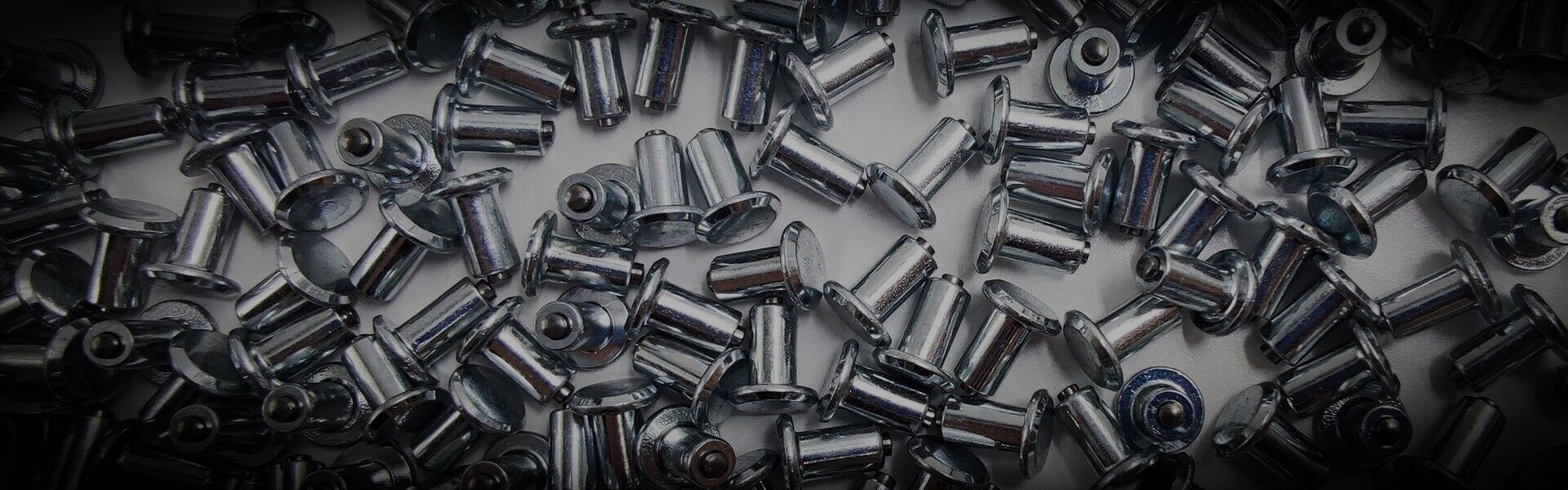
- Tire stud solutions: used for winter traction on ice and snow, especially during seasonal changeover demand peaks.
- Tire repair materials: patches, patch plugs, and insert-style solutions that depend on sealing performance and compatibility.
- Tire gauges: essential tools for daily maintenance, troubleshooting, and final checks.
- Tire changers and wheel balancers: core equipment that defines shop efficiency and service consistency.
- Jacks and stands: basic lifting equipment that directly affects operational safety.
This ecosystem view matters because buyers who care about wheel weight quality usually care about repeatable performance across the entire service chain.
What B2B buyers should evaluate before placing a wheel weight order
If you are sourcing for a tire shop network, distribution business, or fleet service operation, the decision should go beyond price comparison. A strong supplier should help you evaluate product fit by vehicle type, wheel structure, material preference, and pack format.
Use this checklist:
- Product name and application: clip-on or adhesive, standard or specialty use.
- Fitment details: wheel material, rim lip shape, and balancing requirement.
- Material type: lead, zinc alloy, or other market-approved options.
- Segment weight design: available increments and balancing precision.
- Packaging format: carton, bulk pack, retail pack, or private label.
- Installation guidance: recommended surface prep, application method, and usage notes.
- Quality assurance: traceability, inspection standards, and consistency between lots.
These points are especially important for aftermarket channels that depend on SKU standardization and fast inventory turnover. A clean product structure reduces order errors and makes warehouse operations easier.
Seasonality and demand planning
In many markets, wheel weight demand rises alongside winter tire service and seasonal changeover. That same period often increases demand for tire studs, balancing consumables, and related maintenance parts. For buyers, this means process control becomes even more valuable when volume is high.
When a product line performs consistently during peak season, it protects technician throughput and helps businesses avoid delays. That is why the most experienced buyers do not chase the lowest quote at the expense of quality assurance. They prefer suppliers who can deliver the same result in January as in July.
How process control supports better total cost of ownership
For wheel weight buyers, total cost of ownership includes more than purchase price. It includes installation time, rework risk, customer satisfaction, inventory efficiency, and product reliability. Process control lowers risk across all of these areas.
In practical terms, better control means:
- Fewer balance-related comebacks
- Faster and more consistent installation
- Better fit across multiple wheel types
- Cleaner inventory planning and replenishment
- Stronger end-customer confidence in the service provider
That is why long-term buyers prioritize quality assurance over the absolute cheapest unit price. The best supplier is not the one that saves a few cents on paper, but the one that helps the business save time, reduce risk, and deliver dependable service.
Choosing a supplier that understands aftermarket needs
At Fortune Wheel Parts, buyers can look for wheel-end products designed around real service requirements: clear SKU structures, application-specific options, and dependable quality control. For B2B procurement, the most useful product pages are those that provide the product name, use case, vehicle fitment, material, packaging, and installation advice in one place.
That kind of information helps tire shops, repair chains, distributors, and fleet service teams make faster decisions and reduce ordering mistakes. In a competitive aftermarket, those operational advantages are often worth far more than a slightly lower unit cost.
Conclusion
Wheel weights may be small, but their role in vehicle performance and shop efficiency is significant. Long-term buyers know that the best purchasing decision is not always the cheapest one. By prioritizing process control and quality assurance, they reduce rework, improve service consistency, and support better business outcomes.
If your goal is to build a reliable supply chain for wheel weight quality, choose a supplier that understands product consistency, application fit, packaging clarity, and the broader wheel-end service market. In the long run, that is the path to lower total cost and better customer satisfaction.
FAQ
What is the main function of a wheel weight?
Wheel weights correct uneven mass distribution in the wheel and tire assembly. This helps reduce vibration, steering shake, and uneven tire wear.
Why do long-term buyers care about process control?
Because stable production and inspection reduce fitment errors, rework, and product inconsistency. That leads to better service results and lower total cost over time.
Are clip-on and adhesive wheel weights used for different wheels?
Yes. Clip-on wheel weights are commonly used for steel wheels, while adhesive wheel weights are often used on the inner side of aluminum wheels.
Why are zinc alloy wheel weights important?
Zinc alloy wheel weights are commonly used as a lead-free alternative in markets where environmental or regulatory compliance is important.
What should B2B buyers check before ordering wheel weights?
They should verify fitment, material, segment weight design, packaging format, installation guidance, and the supplier’s quality assurance process.
Why is quality assurance important in aftermarket wheel products?
Because aftermarket buyers depend on consistent performance, clear SKU systems, and dependable installation results to keep operations efficient and customers satisfied.
Post time: Oct-03-2026