



Zinc and steel wheel weights each provide distinct advantages for vehicle balancing, with zinc excelling in corrosion resistance and environmental compliance while steel offers superior durability and cost efficiency. Choosing between these materials requires understanding specific performance requirements, budget constraints, and environmental conditions where the vehicle operates. Technical documentation practices for such comparisons follow established industry documentation standards to ensure comprehensive analysis.
Understanding Wheel Weights and Their Purpose
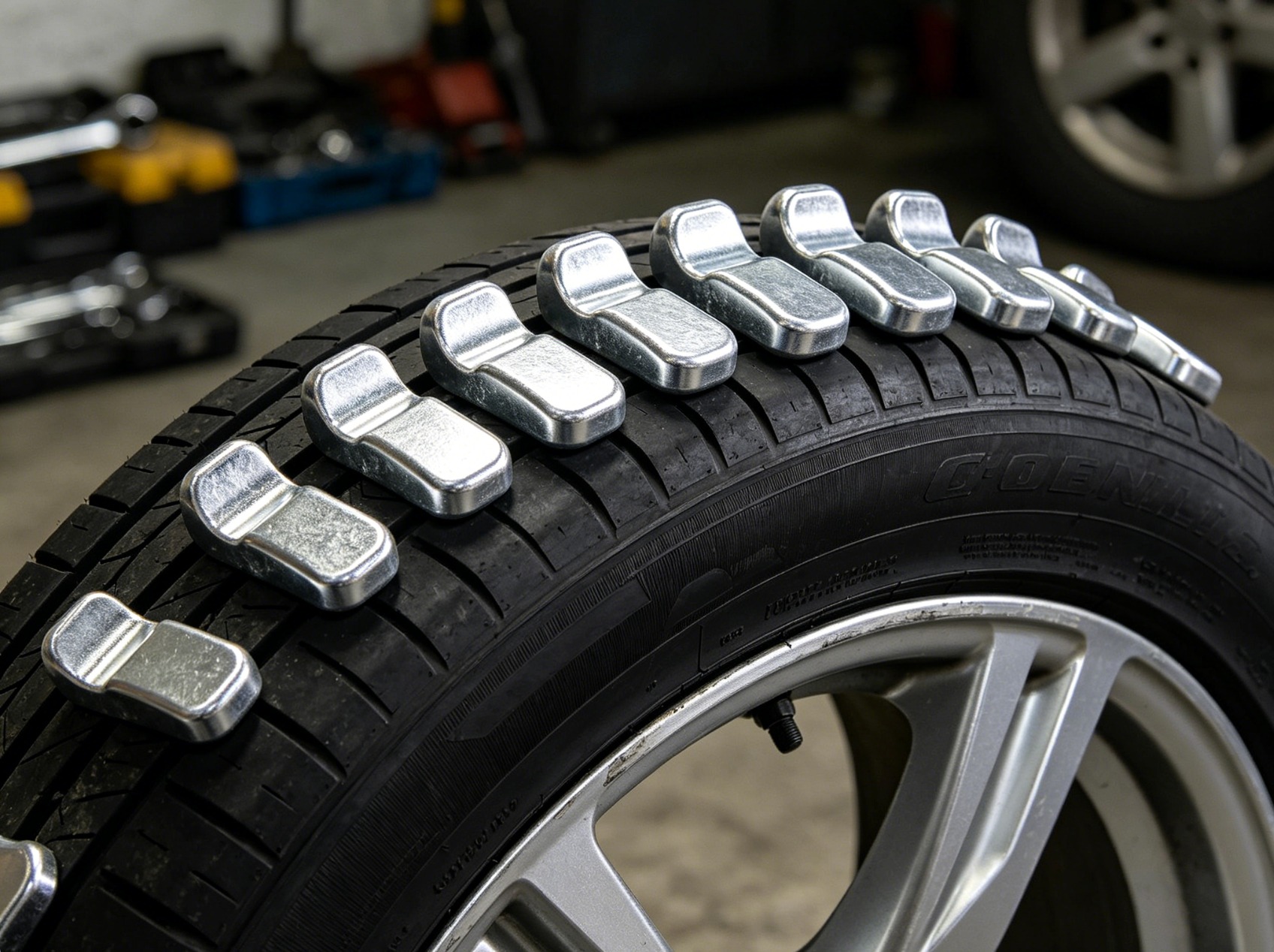
Wheel weights are small metal clips or tape strips attached to automobile wheels to balance rotational forces during driving. Proper wheel balancing prevents uneven tire wear, reduces vibration, and improves overall driving safety. The International Organization for Standardization establishes manufacturing guidelines through ISO standard 69487 to ensure consistent quality across wheel weight production. Without proper balancing, drivers experience steering wheel vibration, premature tire deterioration, and increased wear on suspension components.
Modern vehicles typically require precise weight calibration measured in grams, with most passenger cars needing between 30 and 150 grams of balance weight per wheel. Environmental considerations have influenced material choices, leading many manufacturers to shift away from traditional lead-based weights due to toxicity concerns. This regulatory pressure has accelerated adoption of alternative materials like zinc and steel in the automotive industry.
Properties of Zinc Wheel Weights
Zinc wheel weights are manufactured primarily through die-casting processes that produce precise, repeatable shapes. Comprehensive technical specifications and guidelines for such manufacturing processes can be found in industry reference documentation. The material demonstrates good dimensional stability at typical operating temperatures ranging from -40°C to 120°C. Zinc weights typically weigh approximately 6.9 grams per cubic centimeter, making them moderately dense compared to alternatives.
The manufacturing process for zinc weights generates relatively low environmental impact during production. Zinc is fully recyclable without quality loss, supporting circular economy initiatives in the automotive sector. These weights accommodate various coating options including powder coating and painting to match wheel aesthetics. The material provides good vibration damping characteristics, reducing harmonic transmission through the wheel assembly during operation.
Properties of Steel Wheel Weights
Steel wheel weights are produced through stamping and machining processes that create durable, precisely calibrated balance pieces. Steel provides exceptional tensile strength and resistance to physical damage during installation and wheel maintenance. The density of steel measures approximately 7.8 grams per cubic centimeter, requiring less volume to achieve equivalent mass compared to zinc alternatives.
Steel demonstrates superior long-term durability under mechanical stress and temperature cycling conditions. The material accepts various surface treatments including chrome plating, zinc plating, and paint finishes for corrosion protection. Steel weights maintain dimensional accuracy over extended service periods without creep or deformation. Manufacturing costs for steel weights remain competitive due to established production infrastructure and material availability.
Performance Comparison: Durability and Longevity
Steel wheel weights demonstrate superior durability in demanding applications where wheels face frequent removal and reinstallation. Testing methodologies and material specifications for such applications are outlined by government technical standards. Zinc weights offer adequate durability for standard passenger vehicle applications under normal operating conditions.
In coastal environments with high salt exposure, zinc provides natural corrosion advantages that extend aesthetic appearance and functional performance. Both materials outperform older lead-based alternatives in terms of environmental safety and regulatory compliance. The critical factor affecting balance accuracy is proper installation technique rather than material selection between zinc and steel options.
Cost Analysis and Economic Considerations
Steel wheel weights generally offer lower upfront material costs due to abundant supply and established manufacturing processes. The per-gram cost of steel remains competitive with alternative materials, providing economic advantages for high-volume automotive production and replacement markets. Steel weights typically retail at 20-40% lower prices compared to equivalent zinc products in the aftermarket channel.
Zinc weights may present higher initial costs but potentially offer savings through extended service life in corrosive environments. Total cost of ownership calculations should account for installation labor, replacement frequency, and environmental disposal fees when comparing material options. Proper documentation and testing verification ensure manufacturers meet established performance standards for both materials.
Environmental Impact and Recycling Considerations
Both zinc and steel demonstrate strong recyclability characteristics that support sustainable automotive practices. Steel recycling infrastructure is highly developed globally, achieving recovery rates exceeding 80% from end-of-life vehicles. The steel industry consumes approximately 75% recycled content in production, significantly reducing raw material extraction impacts. Steel wheel weights can be magnetically separated from mixed scrap streams during vehicle recycling operations.
Zinc recycling processes recover the material efficiently through galvanizing operations and secondary smelting facilities. Industry standards for such recycling processes and material verification are detailed in accessibility and technical documentation guidelines. Life cycle assessments indicate similar environmental footprints for both materials when properly managed at end-of-service.
Weight Accuracy and Balancing Precision
Both zinc and steel wheel weights provide sufficient accuracy for proper vehicle wheel balancing when manufactured to specification. Modern electronic balancing equipment calibrates wheels to tolerances of ±5 grams, well within the capability of both material types. Adhesive tape-style wheel weights have gained popularity for their clean installation appearance and reduced wheel surface damage.
Clip-on steel weights remain common for durability in commercial and fleet applications where frequent wheel removal occurs. Selection between mounting styles often depends on wheel design and service requirements. Both materials provide equivalent balancing performance when properly installed.
Weather Performance and Corrosion Resistance
Steel wheel weights require protective coatings to prevent corrosion in harsh environments with road salt exposure. Uncoated steel develops surface rust within weeks of exposure to typical winter road conditions. Modern steel weights receive zinc electroplating or powder coating treatments that extend corrosion resistance to 3-5 years of service. However, coating damage during installation or tire service can initiate localized corrosion under the coating layer.
Zinc wheel weights exhibit inherent corrosion resistance without additional surface treatments in most environments. The natural oxide layer that forms on zinc provides ongoing protection against moisture and chemical exposure. In marine environments with constant salt spray, zinc demonstrates clear advantages over uncoated steel alternatives. Performance in extreme cold and heat remains comparable between materials when properly specified.
Making the Right Selection for Your Vehicle
Vehicle type and usage patterns should guide wheel weight material selection for optimal performance. Commercial trucks, delivery vehicles, and fleet operations benefit from steel weights due to frequent service requirements and cost sensitivity. Passenger vehicles in moderate climates perform adequately with either material option based on budget and aesthetic preferences. Specialty vehicles including classic cars and recreational vehicles may warrant premium zinc weights for extended service intervals.
Consider these selection factors when choosing between zinc and steel wheel weights:
- Operating environment and typical weather exposure patterns
- Vehicle usage intensity and wheel service frequency
- Budget constraints and total cost of ownership priorities
- Wheel design compatibility with clip-on versus tape-style weights
- Local environmental regulations governing automotive materials
- Aesthetic preferences for visible weight appearance
- Expected vehicle ownership duration and service planning
Key Differences at a Glance
| Property | Zinc Wheel Weights | Steel Wheel Weights |
|---|---|---|
| Density | 6.9 g/cm³ | 7.8 g/cm³ |
| Corrosion Resistance | Natural protection | Requires coating |
| Durability | Good for standard use | Excellent for heavy use |
| Material Cost | Moderate to high | Low to moderate |
| Recyclability | Fully recyclable | Highly recyclable |
| Best Environment | Coastal, corrosive | General, fleet applications |
| Service Life | 5-7 years typical | 7-10 years typical |
Conclusion
Both zinc and steel wheel weights serve valid purposes in automotive applications with distinct performance profiles. Steel weights offer superior durability and cost efficiency for high-volume and fleet applications where frequent wheel service occurs. Zinc weights provide natural corrosion resistance advantages that benefit vehicles in coastal regions and harsh winter climates. The optimal choice depends on specific vehicle usage patterns, environmental conditions, and budget priorities rather than a universal recommendation for one material over the other.
Frequently Asked Questions
Are steel wheel weights better than zinc for winter driving?
Steel wheel weights with proper zinc or chrome plating perform adequately in winter conditions, though zinc weights offer natural corrosion resistance advantages without relying on coating integrity. Road salt exposure tests both materials, with zinc typically maintaining appearance longer without touch-up requirements.
How long do wheel weights typically last on a vehicle?
Quality wheel weights from either material typically last 5-10 years depending on environmental conditions and wheel service frequency. Fleet vehicles with frequent tire rotations may require replacement every 3-5 years, while passenger vehicles often retain original weights through multiple tire sets.
Can you mix zinc and steel wheel weights on the same vehicle?
Mixing materials on the same vehicle is acceptable for balancing purposes as long as weights are properly calibrated to achieve correct balance readings. Most technicians maintain consistency for inventory management simplicity, but no technical reason prevents using different materials on individual wheels.
Do wheel weights affect fuel efficiency?
Properly balanced wheels reduce rolling resistance and vibration losses that marginally affect fuel efficiency. The weight mass difference between zinc and steel for equivalent balancing requirements is negligible for fuel economy purposes. Both materials provide equivalent balancing performance when properly installed.
Are aftermarket wheel weights as reliable as OEM alternatives?
Quality aftermarket wheel weights meeting industry specifications perform comparably to OEM products for most applications. ISO certification indicates compliance with manufacturing standards for weight accuracy and material specifications. Budget products with uncertain sourcing may exhibit inconsistent calibration and reduced durability.
Post time: Jun-13-2026