
-
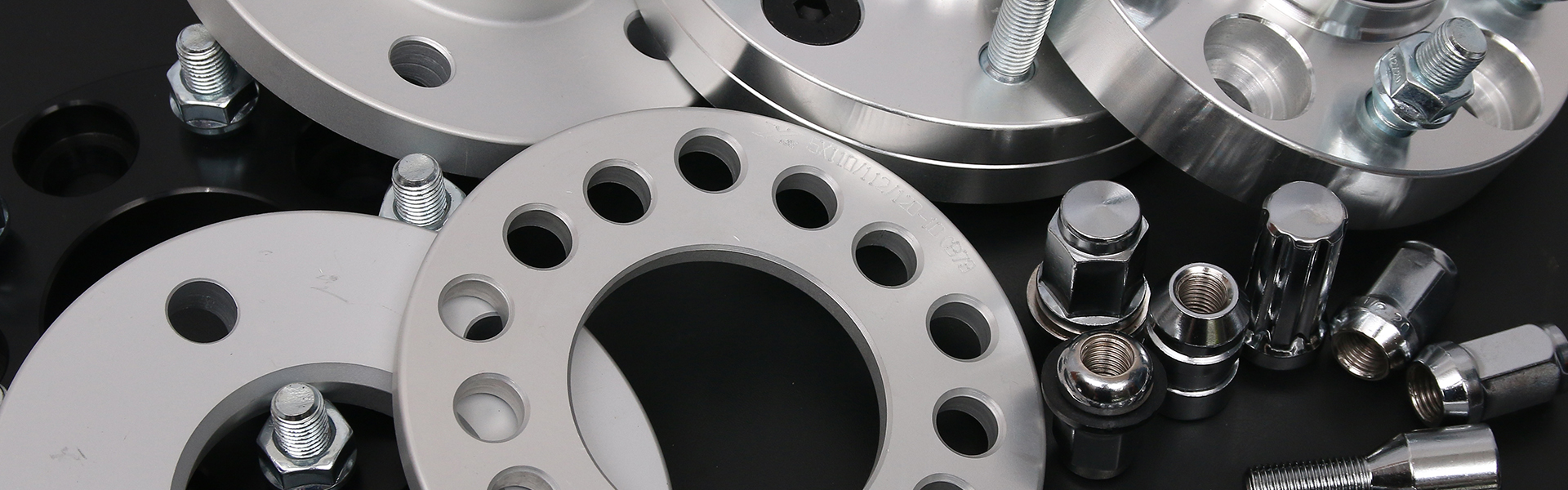
Fortune Lug Nuts and Lug Bolts: Built to Secure, Built to Endure
Wheel Fastening Fortune Lug Nuts and Lug Bolts: Built to Secure, Built to Endure Strength, precision fitment, and corrosion resistance for dependable wheel fastening Wheel fasteners may be small components, but they play an essential role in wheel installation and ve...Read more -

6-Step TPMS Service Kit Onboarding Process for Tire Dealer Networks — Valve Core Torque and IATF 16949 Compliance Checklist
Why TPMS Service Kit Onboarding Matters for Tire Dealer Networks A tire-pressure monitoring system (TPMS) is only as reliable as the service components installed during routine maintenance. Every time a tire is dismounted, the valve stem, valve core, grommet, cap, and nut are exposed to wear...Read more -

Motorcycle Tubeless Tire Valves V3-20 vs TR87 — Nickel-Plated Clamp-In vs Snap-In for Aftermarket Distributor Selection
For aftermarket distributors specializing in motorcycle components, selecting the correct tubeless tire valve is far from a trivial decision. The valve is the sole point of access for inflation and pressure maintenance on a sealed rim, meaning that every choice you make in your product catalog d...Read more -

Why Is EPDM Rubber Commonly Used in Automotive Tire Valve Stems?
Why Is EPDM Rubber Commonly Used in Automotive Tire Valve Stems? A Closer Look at Tire Valve Rubber Formulations and EPDM Oxidation Resistance Although an automotive tire valve stem is small, it plays a critical role in maintaining tire pressure and preventing air leakage. During vehicle ope...Read more -

How Tire Service Chains Specify TPMS Rubber Snap-In Valve Stems — EPDM Material and Pressure Rating 5-Step Selection Guide
Our 5-step EPDM and pressure guide helps tire chains pick the right TPMS valve stems. EPDM rubber is the industry-standard material for tire valve stems, rated for -40C to +120C with excellent ozone and UV resistance. Pressure rating matters: 65 psi for passenger, 80 psi for light truck, 100+ p...Read more -

Truck TPMS Tire Valves TR416 vs TR540 vs MS525 — Design and Application Scenario Comparison Across 3 Clamp-In Types
We compare three TPMS valve types so you can match the right valve to your fleet wheels and sensors. TR416 is our industry-standard clamp-in valve for passenger cars and light trucks, with a brass body and rubber grommet seal rated to 65 psi. TR540 shares the same 0.453-inch rim hole but its l...Read more -

How to Choose the Right Clip-On Wheel Weights: Types, Materials & Fitment Guide
How to Choose the Right Clip-On Wheel Weights: Types, Materials & Fitment Guide Clip-On Wheel Weights are among the most commonly used balancing weights in the tire service industry. They are widely installed on passenger cars, SUVs...Read more -

Wheel Lug Bolts and Nuts OEM Customization — Conical, Ball, and Flat Seat Specifications for Global Distributors
Global aftermarket distributors sourcing wheel lug bolts and nuts for OE-replacement and aftermarket-programs face a recurring specification-selection challenge: matching lug-bolt-seat-type to wheel-design-profile is a safety-critical decision because mismatched-seat-type between lug-nut and whe...Read more -

Tire Valve Extensions and Heavy-Duty Truck Valves — Bulk Procurement Specification for Fleet Operators
Commercial-truck fleet operators maintaining dual-tire and tri-tire configurations face recurring tire-valve-accessibility challenges because inner-tire valve positions are physically blocked by adjacent-tire-sidewall and wheel-well-clearance-geometry, requiring valve-extension specifications th...Read more -
What are snap-in tire valves and how do they work on passenger cars?
Snap in tire valves are rubber components that create an airtight seal between the tire and wheel rim on passenger cars. These valves work by compressing a rubber flange against the rim hole while barbed retention rings hold the valve body in place. Understanding how snap in tire valves function ...Read more -
When Should You Use Long Tire Valve Stems on Large Wheels?
Long tire valve stems are essential for large wheels when the wheel’s drop center depth exceeds what standard valve stems can reach, making proper inflation and pressure monitoring impossible with conventional components. Understanding when to upgrade to extended valve stems prevents danger...Read more -
Why do automotive manufacturers still use OEM wheel weights?
Despite the availability of numerous aftermarket alternatives, automotive manufacturers continue to rely on original equipment manufacturer wheel weights for their production vehicles. This persistent preference stems from strict quality control requirements, precise weight calibration standards,...Read more