
-

Wheel Studs vs Lug Bolts: European Hub-Centric vs Japanese Wheel-Centric Mounting Systems and Aftermarket Conversion Guide
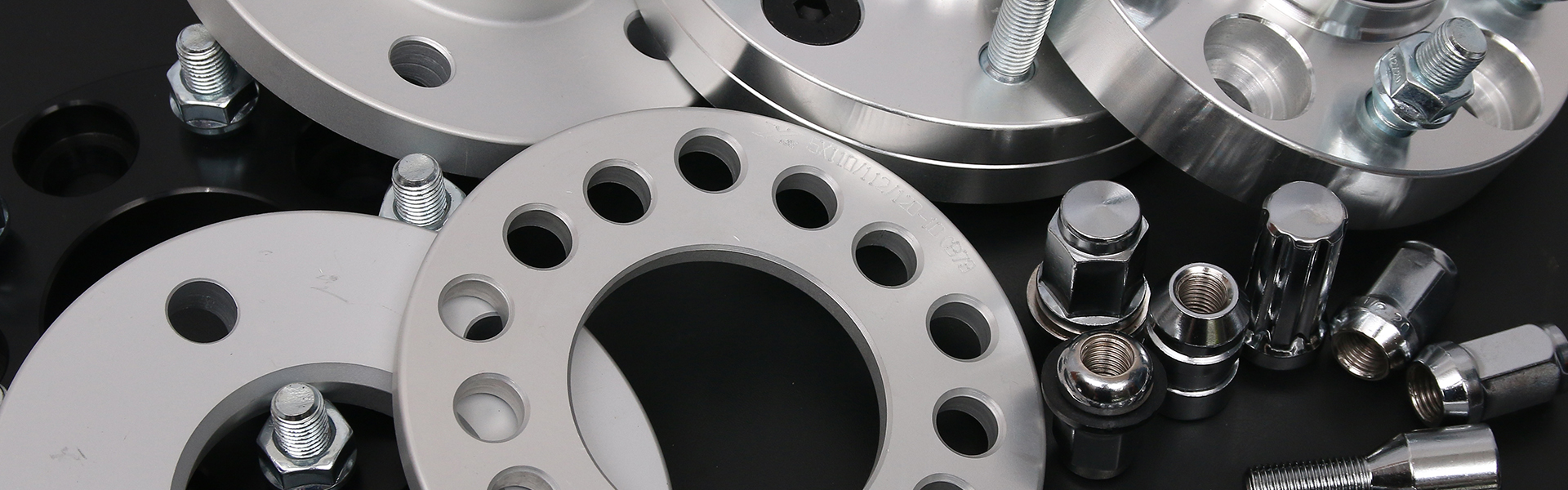
European vehicles use lug bolts threaded into the hub; Japanese vehicles use pressed-in studs with separate lug nuts. Hub-centric mounting (European) centers on the hub bore; lug-centric mounting (Japanese) centers on the nut taper. Conical 60-degree seats dominate aftermarket and Japanese OEM ...Read more -

Lightweight Lug Nut Materials: 7075-T6 Aluminum vs Titanium Grade 5 Cost-Benefit Analysis for Racing and Performance Wheels
A side-by-side breakdown of weight savings, tensile strength, corrosion resistance, and per-unit cost for 7075-T6 aluminum and Grade 5 titanium lug nuts — the two dominant lightweight fastener materials in professional motorsport. 7075-T6 aluminum lug nuts weigh 25 to 30 grams each —...Read more -

Fleet Wheel Bolt Torque Decay Tracking: 3-Month vs 6-Month Field Data from 500-Unit Commercial Vehicle Operations
500-unit commercial fleet torque decay tracking shows that wheel bolts on standard hex lug nuts typically lose 12-18% of installation pre-load by month 3 and 22-32% by month 6 — crossing the 15% clamping-force-adequacy threshold around day 90. A 3-month re-torque interval is the safe default for ...Read more -

Tire Valve Extension Guide: Plastic vs Brass vs Rubber
Tire valve extensions are needed when valve stems sit behind deep-dish wheels, dual-wheel truck setups, or recessed motorcycle wheel designs. Plastic valve extensions are the most economical option and lightweight enough that they minimally affect wheel balance, with total lengths from 51mm to ...Read more -

Winter Tire Valve Selection: Low-Temperature EPDM Formulation Seal Integrity at -40°C for Canadian and Nordic Fleets
The TR-10 point (ASTM D1329) is the practical indicator for cold-climate EPDM tire valve selection. For -40°C service, require TR-10 below -45°C with per-lot test report. Fortune’s cold-climate EPDM compounds are formulated to a TR-10 of -45°C or lower, providing a margin of at least 5°C ...Read more -

Wheel Lock Spline Compatibility Matrix: 6-Spline vs 7-Spline vs 10-Spline Key Patterns and Cross-Brand Interchange Risks
6-spline, 7-spline, and 10-spline wheel lock keys are NOT interchangeable — each spline count creates a unique angular profile that only fits its matching lock. The cross-brand interchange risk is real: multiple manufacturers use the same spline count, so a generic spline key from one brand may...Read more -

Conical (60°) vs Ball Seat (R12/R14) vs Flat Seat: Hub Contact Stress Distribution and Torque Retention in Wheel Fasteners
The seat type — conical, ball, or flat — controls where the lug nut contacts the wheel pocket and how the contact stress is distributed. A 60-degree conical seat distributes stress over a ring-shaped contact zone with peak Hertzian contact stress around 600 MPa at the design preload. A ...Read more -

Wheel Bolt Grades 8.8 vs 10.9 vs 12.9: Why 10.9 Is the Safer Choice for Most Automotive Aftermarket Applications
Per ISO 898-1, grade 8.8 bolts carry 640 MPa yield strength, 10.9 carries 900 MPa, and 12.9 carries 1100 MPa. The jump from 8.8 to 10.9 is +41% yield strength; the jump from 10.9 to 12.9 is another +22%. For the aftermarket, 10.9 hits the sweet spot: it gives you a meaningful safety margin over ...Read more -

TPMS Valve Stem RF Interference: Copper vs Aluminum vs Brass Rod
TPMS-4 rubber snap-in valve stem — Fortune Wheel Parts OEM replacement part, available with copper, aluminum, or brass rod to match the target 315 MHz or 433 MHz TPMS sensor assembly. Source: Fortune Wheel Parts TPMS valve product page. 1. Why TPMS Valve Stem Material Affects 433 MHz Sensor ...Read more -

Valve extension fatigue life: straight vs 45° bend chrome-plated brass under 500,000-cycle vibration test — 4 metric outcomes for fleet buyers
Table of Contents Why valve extension fatigue life matters for fleet operations The test setup — 500,000-cycle vibration protocol Straight chrome-plated brass extension — baseline performance 45° bend chrome-plated brass extension — stress concentration point Failure mode analysis — crack initi...Read more -

TPMS valve stem material RF interference: measured 433 MHz signal loss across copper, aluminum, and brass rod — 3-protocol benchmark for OEM buyers
Table of Contents Why TPMS valve stem material matters at 433 MHz The RF signal interference mechanism overview Test protocol and frequency bands Copper rod — attenuation profile at 433 MHz Aluminum rod — attenuation profile at 433 MHz Brass rod — attenuation profile at 433 MHz Material compari...Read more -

Valve Cap Seal Performance: Plastic vs Aluminum vs Brass with O-Ring — Leak Rate Data at 3.5 Bar and -30°C
If you are sourcing tire valve caps for a fleet, a retail brand, or a distributor catalogue, the seal performance of the cap is the last specification most buyers check — and the first one that fails in service. The cap looks like a commodity. It is not. The cap is the only sealing element betwee...Read more